
How Much Does It Cost to Melt One Ton of Metal? A Practical Guide for Foundries
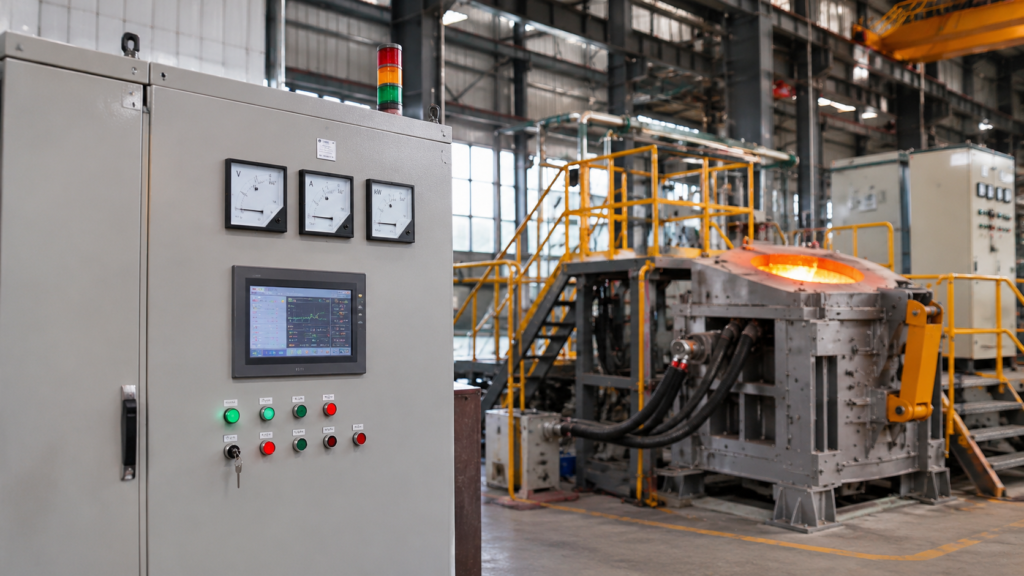
For metal recycling companies and foundries, melting costs directly affect production margins, equipment investment decisions, and long-term competitiveness.
As industrial energy costs and manufacturing requirements continue to evolve, understanding the metal melting cost per ton is essential for evaluating production efficiency.
However, calculating melting costs involves more than multiplying electricity consumption by the local utility rate.
Labor, refractory maintenance, metal loss, equipment utilization, and auxiliary systems can all influence the final cost of production.
This guide explains how to estimate metal melting costs, compare operating expenses, and identify opportunities to improve the economics of industrial melting operations.
1. What Makes Up the Cost of Metal Melting?
The total cost of melting metal generally includes several major components.
Energy Costs
Electric induction furnaces consume electricity, while fuel-fired furnaces typically use natural gas, LPG, or fuel oil.
Actual energy consumption depends on furnace design, metal type, charge preparation, and operating conditions.
Labor Costs
Labor expenses include furnace operators, material handling personnel, maintenance staff, and other production support.
Maintenance and Consumables
Refractory linings, cooling systems, electrical components, and routine maintenance contribute to operating costs.
Metal Losses
Oxidation, dross formation, slag removal, and handling losses can reduce the amount of saleable metal produced.
Equipment and Facility Costs
Depreciation, electrical infrastructure, cooling water, ventilation, and other facility expenses should also be considered.
A useful cost analysis separates these expenses into direct operating costs and broader production costs.
2. How to Calculate Electricity Cost per Ton
For electric induction melting, electricity consumption is one of the most important operating variables.
The basic calculation is:
Electricity Cost per Ton = Energy Consumption (kWh/ton) × Electricity Rate ($/kWh)
For example, assume an induction furnace consumes 650 kWh to melt one metric ton of metal.
If electricity costs $0.10 per kWh:
650 × $0.10 = $65 per metric ton
This represents the variable electricity charge under the stated assumptions.
It does not include demand charges, fixed utility fees, or other operating expenses.
Why Electricity Consumption Varies
Actual electricity consumption can change according to:
- Metal type and melting temperature
- Furnace capacity and power rating
- Charge size and material preparation
- Furnace lining condition
- Holding time and production interruptions
- Auxiliary equipment energy use
For accurate cost calculations, operators should use measured electricity consumption from their actual production process whenever possible.
3. How Metal Loss Affects Melting Costs
Metal loss is another important factor in melting economics.
Not all charged metal becomes saleable finished product.
During processing, some material may be lost through oxidation, dross formation, slag removal, spills, or other handling activities.
The difference between input weight and usable output is reflected in the metal yield.
Metal Yield (%) = Saleable Metal Output ÷ Metal Input × 100
For example, if a facility charges 1,000 kg of metal and produces 980 kg of usable output:
Metal Yield = 980 ÷ 1,000 × 100 = 98%
A 98% yield means that 2% of the original charge does not become saleable output.
Why Yield Matters
Consider two melting operations processing the same quantity of metal.
If one produces 980 kg of usable metal while the other produces 950 kg, the first operation delivers more saleable output from the same input quantity.
However, the financial impact depends on the metal’s value and whether any process residues can be recovered.
Copper and aluminum losses may have different economic consequences because their material values and processing characteristics differ.
For this reason, metal yield should be evaluated alongside energy consumption when comparing melting operations.
4. Labor, Maintenance, and Consumable Costs
Energy and metal losses are important, but they do not represent the complete cost of melting.
Labor Cost per Ton
Labor cost can be calculated by dividing total production labor expenses by the quantity of metal processed.
Labor Cost per Ton = Total Labor Cost ÷ Tons Processed
For example, if a melting operation incurs $360 in labor expenses during a shift and processes 20 metric tons:
Labor Cost = $360 ÷ 20 = $18 per ton
Actual labor requirements depend on automation, furnace configuration, material handling, and production scheduling.
Maintenance Cost per Ton
Maintenance expenses may include:
- Refractory lining replacement
- Induction coil inspection and repair
- Electrical system maintenance
- Cooling water system servicing
- Hydraulic and mechanical components
- Preventive maintenance activities
A practical approach is to divide maintenance expenditure over a defined period by the total metal tonnage processed during that period.
This provides an average maintenance cost per ton.
5. Example: Calculating the Cost of Melting One Ton
The following example illustrates how several operating expenses can be combined.
Assume a facility uses an electric induction furnace to process one metric ton of metal.
| Cost Component | Assumption | Cost per Ton |
|---|---|---|
| Electricity | 650 kWh × $0.10/kWh | $65 |
| Labor | Allocated labor expenses | $18 |
| Maintenance | Refractory and equipment servicing | $12 |
| Other Operating Costs | Cooling, consumables, and auxiliary systems | $10 |
| Total Processing Cost | Per metric ton of input | $105 |
Under these assumptions, the direct processing cost is $105 per metric ton of charged metal.
If the metal yield is 98%, the processing cost allocated to each metric ton of saleable output becomes:
$105 ÷ 0.98 = $107.14 per metric ton
This figure excludes the purchase cost of the metal charge and the economic value of material losses.
It also excludes financing, depreciation, taxes, and any additional costs not included in the assumptions.
These figures are hypothetical examples and do not represent guaranteed performance or actual operating data from WOLFU equipment.
Why a Complete Cost Model Matters
A low electricity cost does not necessarily mean a melting operation has the lowest overall production cost.
For example, a furnace with lower energy consumption but higher metal losses may produce a less favorable total cost per ton of saleable output.
Operators should evaluate both processing costs and material yield before making equipment investment decisions.
6. Why Furnace Capacity and Utilization Matter
Furnace capacity influences production planning, but rated capacity alone does not determine actual output.
A furnace may be rated for a specific charge weight, yet the total production cycle also includes charging, melting, temperature adjustment, pouring, and preparation for the next batch.
Batch Capacity vs. Daily Production
Consider a hypothetical furnace with a 2-ton charge capacity.
If each complete production cycle requires two hours and the facility operates for eight hours, the theoretical output would be:
2 tons × 4 cycles = 8 tons per shift
Actual output may be lower because of downtime, material handling delays, maintenance, and operating conditions.
The Importance of Utilization
Equipment utilization affects how fixed expenses are distributed across production volume.
A facility processing 100 tons per month may have a higher fixed cost per ton than the same facility processing 300 tons, assuming comparable operating conditions.
However, operating a furnace at higher utilization does not automatically guarantee lower total costs.
Maintenance requirements, electricity tariffs, production scheduling, and equipment reliability must also be considered.
7. How to Reduce Metal Melting Costs
Reducing melting costs requires improvements across the complete production process.
Improve Charge Preparation
Clean, appropriately sized scrap can support more consistent charging and melting operations.
Removing unsuitable contaminants also helps reduce processing problems and potential safety hazards.
Reduce Unnecessary Holding Time
Keeping metal molten longer than necessary can increase energy consumption and contribute to additional processing losses.
Coordinating melting and casting schedules can help reduce avoidable holding periods.
Maintain Refractory Linings
Refractory condition affects furnace reliability, heat management, and operational safety.
Routine inspection and timely maintenance can help prevent unplanned shutdowns.
Monitor Electricity Consumption
Track energy consumption per ton rather than relying only on total monthly electricity bills.
This makes it easier to identify changes in operating performance.
Improve Metal Yield
Appropriate charge preparation, temperature control, and material handling can help reduce avoidable metal losses.
Match Furnace Capacity to Production Demand
Oversized equipment may operate inefficiently under certain production conditions.
Undersized equipment may create bottlenecks and require additional production cycles.
Equipment selection should reflect realistic throughput requirements and operating schedules.
8. Choosing a Cost-Effective Induction Furnace
When evaluating an induction melting furnace, the initial purchase price should not be the only consideration.
A suitable equipment selection process should include:
| Selection Factor | Key Consideration |
|---|---|
| Metal Type | Copper, aluminum, steel, or other alloys |
| Charge Capacity | Required metal weight per batch |
| Melting Rate | Expected production throughput |
| Power Rating | Electrical supply and operating requirements |
| Energy Consumption | Expected kWh per ton under defined conditions |
| Cooling System | Water supply, circulation, and maintenance |
| Refractory System | Compatibility and replacement requirements |
| Pouring Arrangement | Tilting and downstream casting operations |
| Equipment Support | Maintenance guidance and spare parts availability |
Equipment specifications should be evaluated using the intended metal charge, production schedule, and facility conditions.
Where possible, buyers should request operating data based on comparable applications.
9. WOLFU Medium-Frequency Induction Melting Solutions
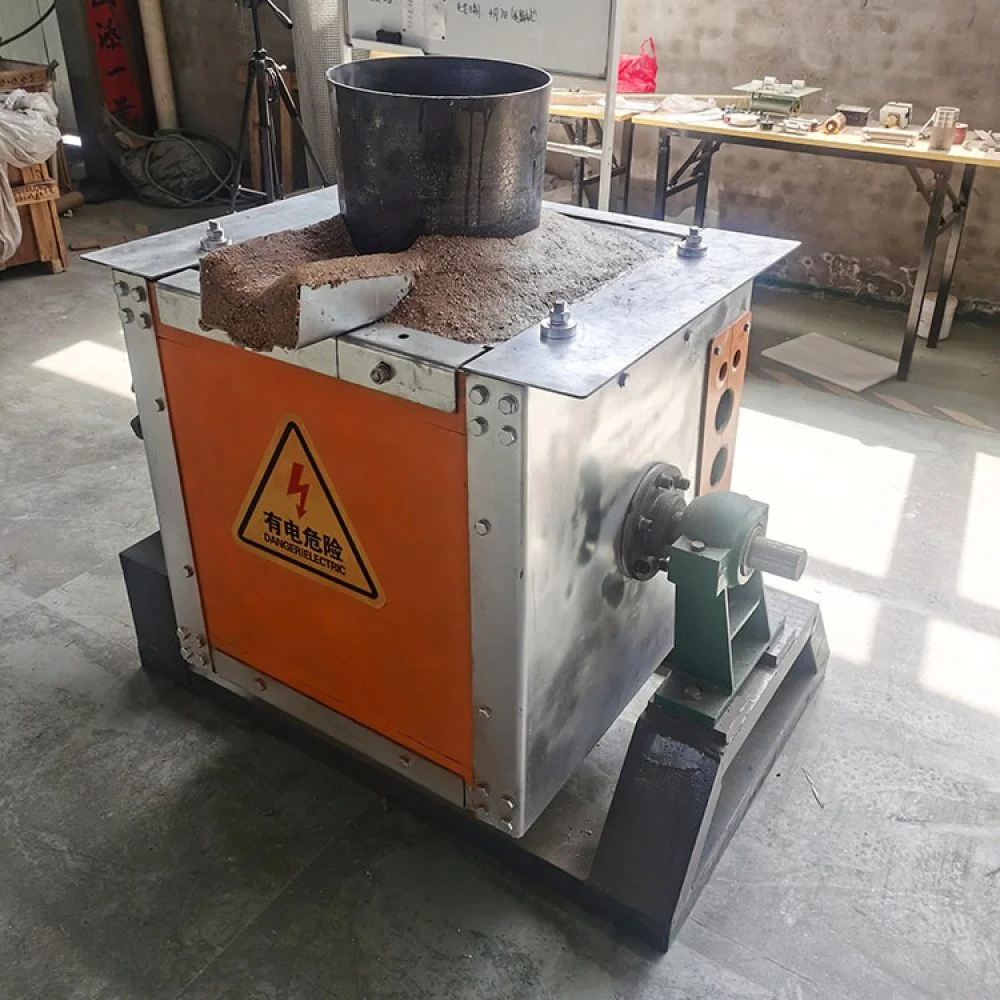
WOLFU supplies medium-frequency induction melting equipment for industrial metal processing applications.
Depending on the selected configuration, these systems can support the melting of suitable copper, aluminum, steel, and other metal charges.
WOLFU’s equipment solutions may include induction furnace bodies, electrical power supply systems, cooling equipment, and supporting melting and pouring components.
For recycling companies and foundries, the appropriate configuration depends on the required production capacity, metal composition, electrical infrastructure, and downstream casting process.
Explore the WOLFU Medium Frequency Induction Melting Furnace to learn more about available equipment.
For related metal melting and casting applications, see the WOLFU Medium Frequency Furnace.
10. Final Thoughts: Focus on Cost per Ton of Saleable Metal
Understanding the metal melting cost per ton is essential for making informed production and equipment investment decisions.
Electricity consumption is an important factor, but it is only one part of the overall cost structure.
Labor, maintenance, metal yield, equipment utilization, and production scheduling can all influence profitability.
For metal recycling companies and foundries, the most useful performance measure is often the total cost per ton of saleable metal rather than the energy cost per ton of charged material.
By monitoring operating data and selecting equipment based on actual production requirements, businesses can make more informed decisions about their melting operations.
Discuss Your Metal Melting Project With WOLFU
Are you planning a new metal recycling facility or upgrading an existing melting operation?
WOLFU provides industrial induction melting equipment and related processing solutions.
Contact WOLFU to discuss your metal type, required melting capacity, available electrical infrastructure, and equipment configuration.