
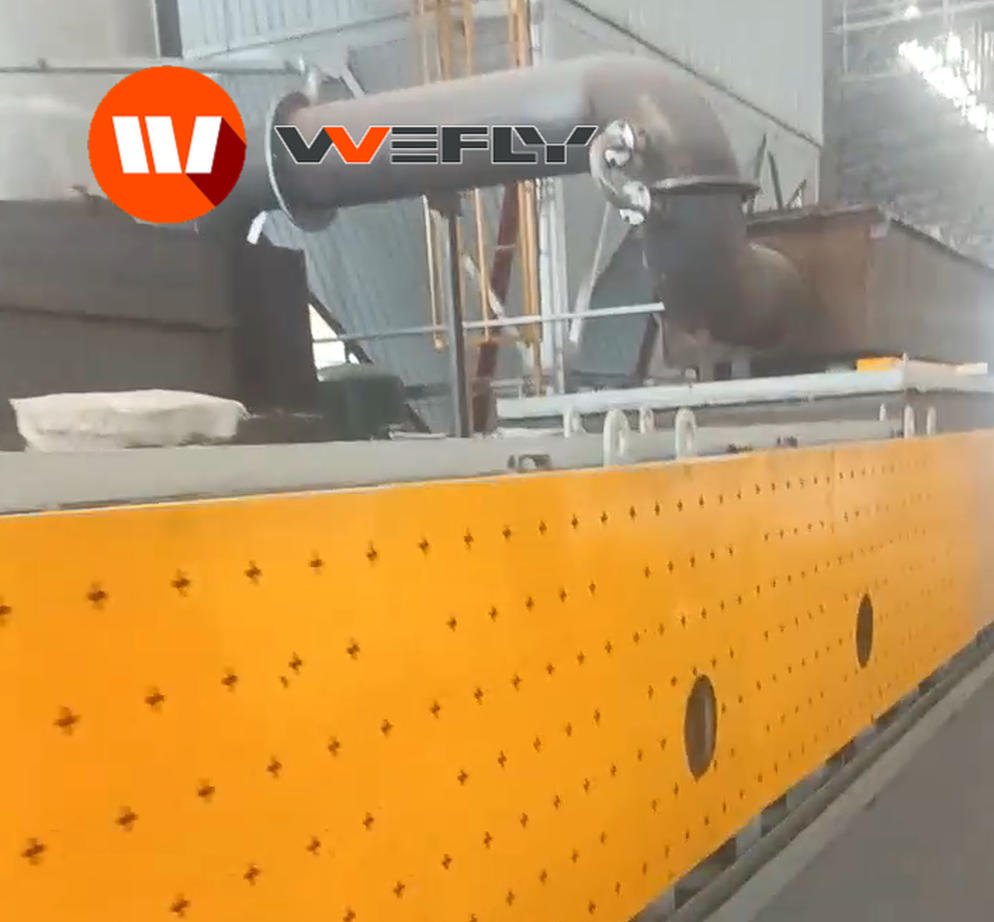
Waste Solar Panel Recycling Machine: Pyrolysis for Single & Double-Glass PV
Under theEU WEEE Directive and similar regimes, discarded PV modules are already regulated e-waste, and Pyrolysis Recycling is increasingly the reference route recommended in IEA PVPS research on PV sustainability. But not all solar panels pyrolyze the same way. This article compares both single-glass and double-glass panels recycling, based on how the lines actually run, and explains how one waste solar panel recyling machine can process both module types.
1. Why Direct Crushing Loses Money First
Before comparing the two module types, it is important to clear about the base problem in a direct crush-and-sort line:
- silver and tin-bearing cell fragments are abraded into mixed fine fractions, which are difficult and costly to upgrade;
- glass cullet is contaminated with EVA residue, lowering its resale value;
- copper ribbon fragments become too small to sort economically.
Pyrolysis furnace – WOLFU waste solar panel recycling machine – fixes this: it removes the encapsulant cleanly, so materials are already dissociated and loose after leaveing the furnace, which lowers the load on every downstream sorting step.
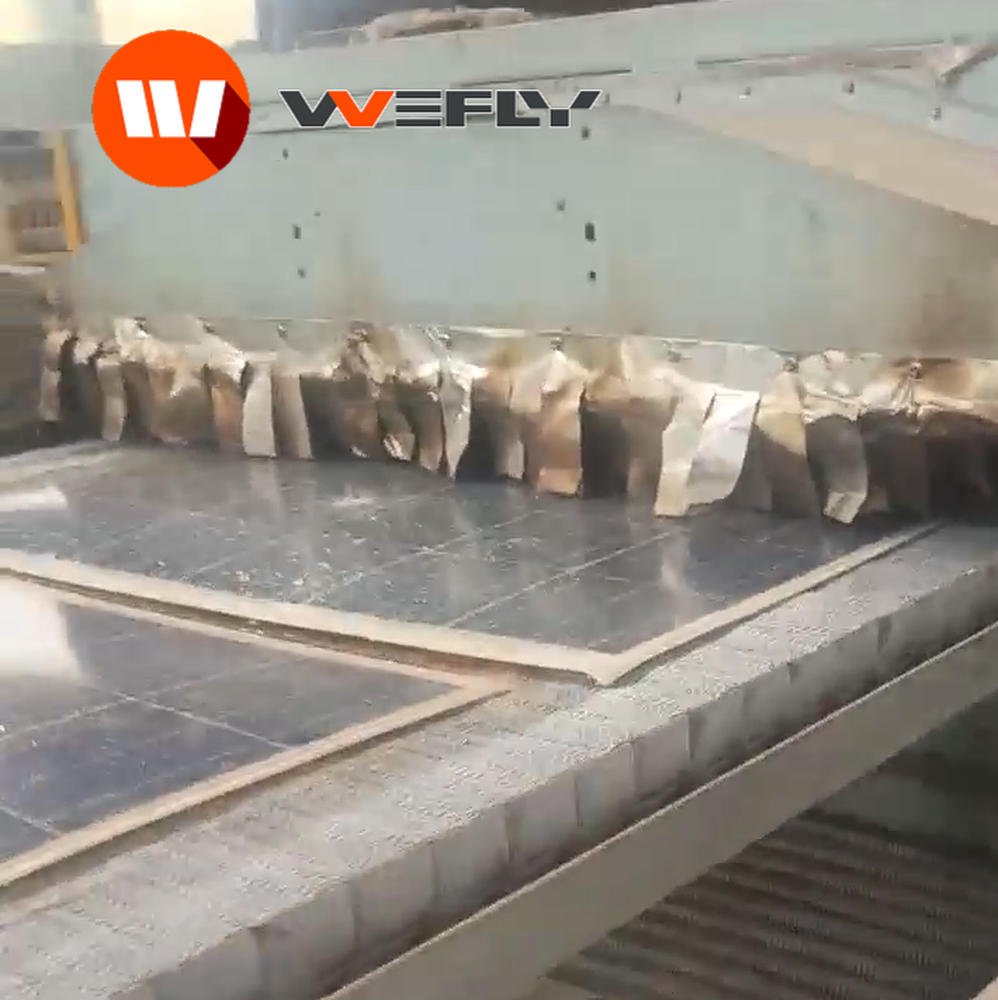
2. Pyrolysis of Single-Glass PV Modules (EVA + TPT Backsheet)
The classic single-glass panel structure is: front glass, EVA encapsulant, cells, EVA again, and a fluorine-containing TPT backsheet. When it passes through a pyrolysis furnace, three things happen.
- EVA decomposes easily. Single-glass module’s EVA encapsulant fully pyrolyzes at 450–500 °C. The process is mature and commissioning is simple.
- High calorific value. The fluorine-containing TPT backsheet pyrolysis gas generates high calorific value and can be recycled to heat the furnace itself, realizing partial energy self-sufficiency and reducing consumption.
- Loose materials after pyrolysis. The TPT backsheet is completely gasified and carbonized, leaving loose, friable output. Silicon wafers and copper ribbons separate easily in subsequent crushing and sorting.
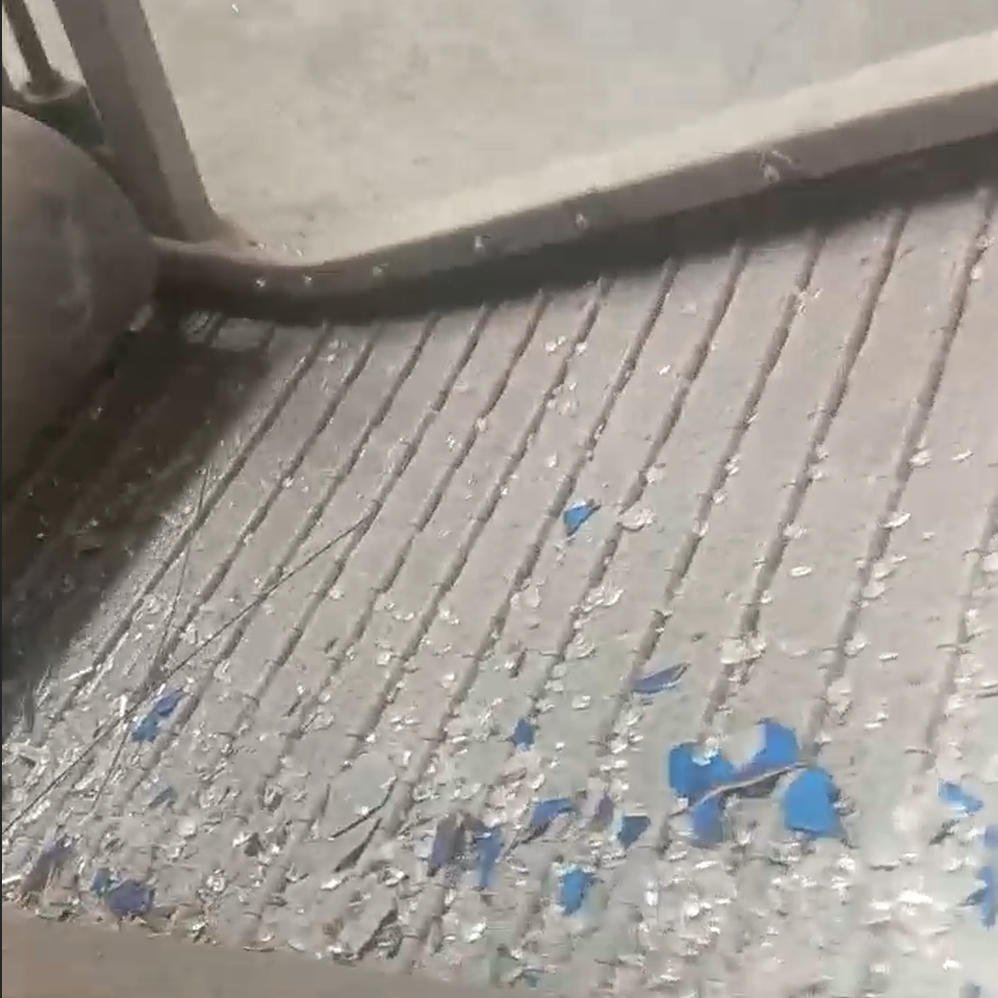
3. Pyrolysis of Double-Glass PV Modules (POE + Dual Tempered Glass)
Double-glass modules replace the backsheet with a second sheet of tempered glass, bonded with POE encapsulant. For recyclers, they are in several ways the easier feedstock.
- No fluoride emissions. Double-glass modules have no TPT backsheet, so no fluoride is generated during pyrolysis. This greatly reduces exhaust treatment pressure and equipment corrosion, and cuts investment of equipment.
- High-value glass recycling. With two layers tempered glass, most glass survives pyrolysis in large pieces and can be sorted and recycled directly, with high recovery value.
- Clean materials. POE encapsulant leaves little carbon residue after pyrolysis. The clean surfaces measurably improve the recovery rate of silver and silicon, these two materials decide line profitability.
- The only viable route. Double-glass modules are extremely difficult to delaminate by traditional mechanical dismantling. Pyrolysis is the mainstream, feasible process for recycling retired double-glass modules.
4. Side-by-Side Comparison
| Factor | Single-Glass (EVA + TPT) | Double-Glass (POE + 2×Glass) |
| Encapsulant | EVA, fully pyrolyzes at 450–500 °C | POE, low carbon residue |
| Backsheet | Fluorine-containing TPT | None (second glass layer) |
| Exhaust gas | HF + acetic acid + dioxin precursors; spraying/quenching/defluorination required | No fluoride; lighter exhaust load |
| Glass output | Prone to fine powder under thermal shock; low recovery | Large pieces survive; high-value direct recycling |
| Silver / silicon recovery | Reduced by glass-silicon powder mixing | Clean surfaces, higher Ag and Si recovery |
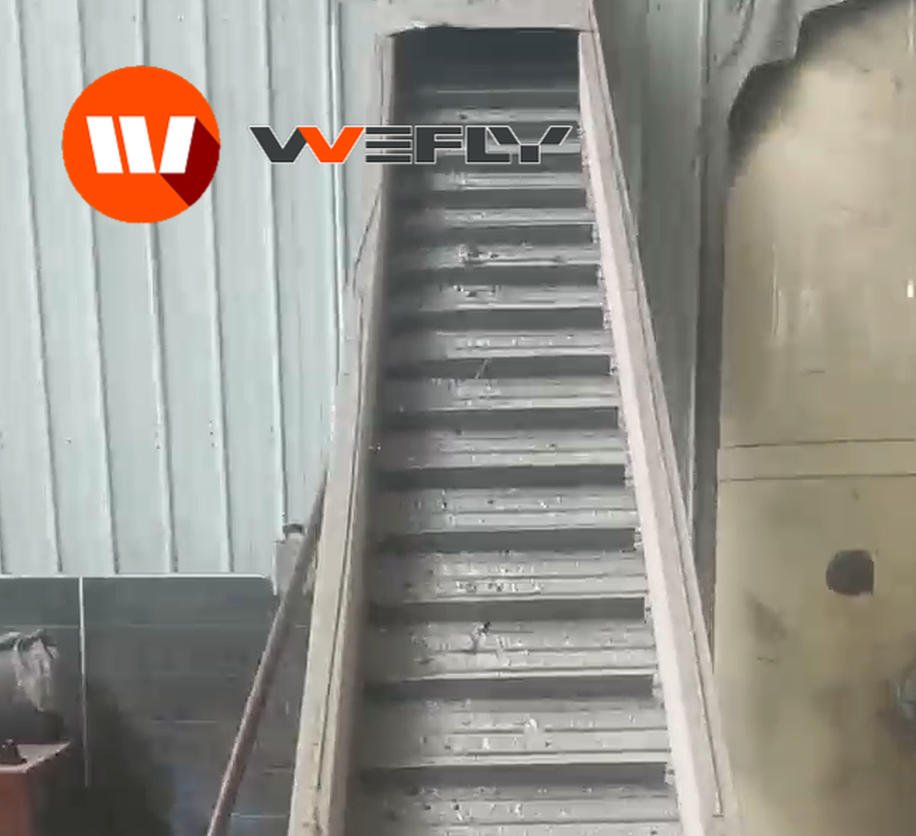
5. The WOLFU Approach: One Furnace, Both Module Types
Most recyclers do not have the luxury of running a single-glass-only or double-glass-only feedstock. Designing two separate lines — one for each module type — doubles investment, space and training burden. The upcoming trend is mixed load as the double-glass panels from the late 2010s reaches end of life.
WOLFU’s self-developed PV pyrolysis furnace is used to process both single-glass and double-glass PV modules in a single waste solar panel recycling machine. The WDL-T Series continuous mesh-belt furnace moves crushed module fragments through different temperature zones, the thermal profile is handled automatically by the equipment.
For context on the full process, from frame removal through pyrolysis to sorting and hydrometallurgical purification, see our overview of the complete waste solar panel recycling machine solar panel pyrolysis recycling solution.
What this means in practice
- One device, mixed feedstock — single-glass and double-glass modules on the same line, no reconfiguration.
- Higher silver yield — clean wafer surfaces after pyrolysis improve downstream hydrometallurgical recovery, where combined pyrolysis + hydrometallurgy keeps silver recovery purity above 99.7%.
- Energy self-sufficiency options — high-calorific pyrolysis gas from single-glass modules can be recycled to heat the furnace.
Explore the WDL-T continuous PV pyrolysis furnace (WDL-T-100 to WDL-T-300, 400–2,500 kg/h) for detailed specifications, or see how the energy-saving WDL-T recycling machine cuts energy use more than 25%.
A working example: our solar panel recycling plant project in India — built around a pyrolysis-centered line with PLC control and integrated downstream sorting — is now entering trial production.
6. Downstream: Where Recovered Materials Go
Pyrolysis and sorting are only half the story. What the plant earns depends on what happens to the recovered streams:
- Glass cullet — sold into container glass and fiberglass supply chains.
- Aluminum frame — removed upstream by the frame remover and remelted directly; see our industrial silicon melting induction furnace and aluminum casting systems for the downstream side of the business: industrial silicon melting induction furnace.
- Silicon-rich fraction — refined and returned to the PV material chain through melting and ingot casting.
- Copper ribbon — clean, whole ribbons after pyrolysis sort at nearly 100% recovery.
7. FAQ
Q: Do single-glass and double-glass modules really need different waste solar panel recycling machine?
A: Not with WOLFU. The WDL-T continuous waste solar panel recycling machine handles both single-glass and double-glass modules on one device — which is exactly why pyrolysis is the mainstream route for them.
Q: Why does direct crushing lose silver?
A: Crushing abrades cell metallization into fine mixed fractions, the silver and tin are distributed across glass and silicon powder. Once mixed, upgrading them is difficult and expensive. Pyrolysis keeps wafers and ribbons intact and clean, silver is easier for recycling.
Q: What capacity options of WOLFU waste solar panel recycling machine are available?
A: WDL-T models range from 400–600 kg/h (WDL-T-100, pilot scale) to 2,000–2,500 kg/h (WDL-T-300, mega-scale plants). Multiple lines can run in parallel.
8. Conclusion
The single-glass vs double-glass question is not about which module is better — it is about what your feedstock will be, and choosing a waste solar panel recyling machine that suitable for both single-glass and double-glass panels. Pyrolysis, configured correctly, can remove EVA and POE completely, get clean wafer surfaces and keep silver recovery high.
WOLFU builds pyrolysis-centered waste solar panel recycling machine that process both module types in a single line. If you are evaluating a PV recycling project — or rethinking an existing crush-and-sort line — our engineers can recommend a suitable configuration based on your panel mix, target capacity and recovery goals.
Get a Customized Waste Solar Panel Recycling Machine Configuration
Contact WOLFU for a feasibility consultation and ROI calculation: Request a quote for the WOLFU PV pyrolysis recycling line.
Related WOLFU Solutions
WOLFU Solar Panel Recycling Machine
WOLFU Solar PV Pyrolysis Furnace