
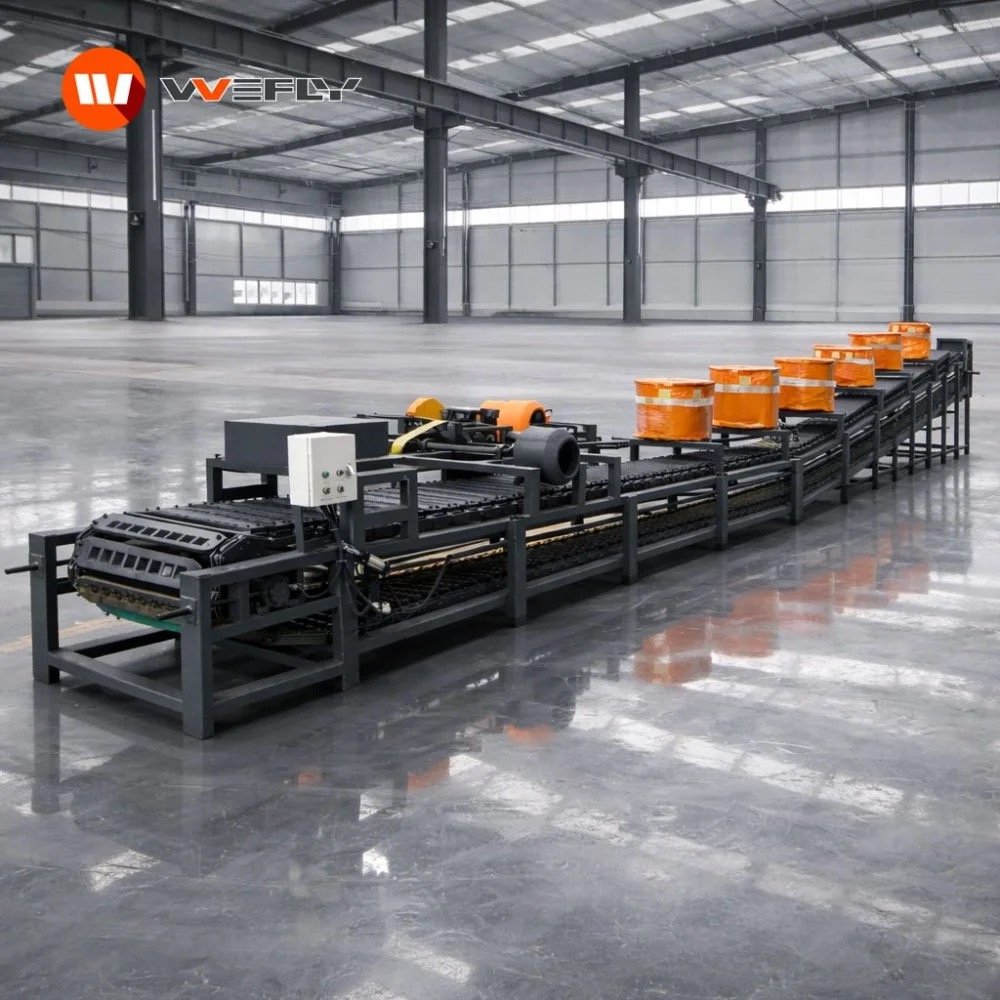
Aluminum Can Recycling Machine for Efficient Scrap Metal Recovery
An aluminum can recycling machine is an essential solution for businesses that want to recover valuable aluminum from used beverage cans and other lightweight scrap materials. As global demand for aluminum continues to grow, recycling has become one of the most efficient ways to reduce raw material costs and support environmentally responsible manufacturing.
Compared with producing aluminum from bauxite ore, recycling used cans requires significantly less energy and generates fewer emissions. Modern recycling machines automate crushing, sorting, and processing, allowing operators to transform waste cans into high-value recycled material.
For recycling companies and industrial processors seeking reliable equipment, WOLFU offers a professional aluminum can recycling machine designed for efficient material recovery and stable long-term operation.
What Is an Aluminum Can Recycling Machine?
An aluminum can recycling machine is an industrial system used to process discarded beverage cans and other thin aluminum scrap into reusable raw material. Depending on the production line design, the system may include shredders, crushers, magnetic separators, eddy current separators, and melting equipment.
The goal is to remove contaminants, reduce material size, and prepare clean aluminum scrap for remelting and reuse. The recovered aluminum can then be transformed into new cans, automotive parts, construction materials, and industrial products.
Because aluminum can be recycled repeatedly without significant loss of quality, it is one of the most valuable and sustainable industrial metals.
How the Aluminum Can Recycling Process Works
Collection and Feeding
Used aluminum cans are collected and fed into the recycling line. Material may include beverage cans, food containers, and lightweight aluminum scrap.
Crushing and Shredding
The cans are crushed or shredded into smaller pieces to improve handling efficiency and increase separation effectiveness.
Sorting and Separation
Magnetic separators remove ferrous contaminants, while eddy current systems separate aluminum from plastics and other non-metal materials.
Cleaning and Preparation
The processed aluminum is cleaned and prepared for melting or baling, depending on downstream production requirements.
Melting and Reuse
The clean aluminum scrap can be melted and cast into new products, supporting a closed-loop recycling system.
Main Advantages of Aluminum Can Recycling Machines
High Material Recovery
Automated processing improves recovery rates and helps maximize the value of scrap aluminum.
Lower Energy Consumption
According to the United States Environmental Protection Agency (EPA), recycling aluminum saves substantial energy compared with primary aluminum production.
Reduced Labor Costs
Automated crushing and sorting systems reduce the need for manual processing.
Environmental Benefits
Recycling helps reduce landfill waste, conserve natural resources, and lower greenhouse gas emissions.
Improved Profitability
Clean recycled aluminum has strong market value, creating additional revenue opportunities for recyclers.
Applications of Aluminum Recycling Equipment
- Metal Recycling Plants: Processing used beverage cans and mixed aluminum scrap
- Waste Management Companies: Recovering valuable non-ferrous metals
- Aluminum Smelters: Preparing clean scrap for remelting
- Manufacturing Facilities: Recycling internal production waste
- Municipal Recycling Centers: Handling consumer packaging waste
Why Aluminum Recycling Matters
Aluminum is widely used in packaging, transportation, construction, and electrical systems. Because of its light weight, corrosion resistance, and recyclability, aluminum remains one of the most strategically important industrial metals.
Recycling aluminum conserves natural resources and significantly reduces energy use. This makes aluminum recycling a key part of sustainable manufacturing and circular economy initiatives.
For industrial operators, efficient recycling equipment helps improve both environmental performance and long-term business competitiveness.
Why Choose WOLFU Aluminum Can Recycling Machine?
WOLFU provides complete recycling and metal processing solutions for industrial customers worldwide. The WOLFU aluminum can recycling machine is engineered for reliable operation, efficient separation, and high-value material recovery.
This solution is suitable for businesses that want to build a more efficient aluminum recycling workflow while reducing labor requirements and processing costs.
WOLFU also offers related industrial equipment, including:
For more technical articles and industry insights, visit the WOLFU Industry Blog.
How to Choose the Right Aluminum Recycling Machine
Processing Capacity
Select equipment based on your expected daily throughput and operational goals.
Material Purity Requirements
Higher separation efficiency produces cleaner aluminum and improves resale value.
Automation Level
Automated conveyors, sorting systems, and control panels help increase consistency and reduce labor.
Energy Efficiency
Efficient systems reduce long-term operating costs and improve return on investment.
Technical Support
Choose a supplier that offers engineering guidance and dependable after-sales service.
Conclusion
An aluminum can recycling machine is a practical investment for companies seeking efficient scrap processing, lower energy use, and improved material recovery.
By converting used cans into reusable aluminum, recycling plants help reduce waste while creating valuable raw materials for future manufacturing.
If your business is planning to expand aluminum recycling capabilities, WOLFU provides dependable industrial solutions designed for modern recycling operations.
Explore WOLFU Aluminum Can Recycling Machine and Request a Quote
FAQ
What does an aluminum can recycling machine do?
It crushes, separates, and prepares used aluminum cans for remelting and reuse.
Why is aluminum recycling important?
Aluminum recycling saves energy, reduces waste, and conserves natural resources.
What industries use aluminum recycling machines?
Metal recyclers, waste management companies, smelters, and manufacturing facilities commonly use this equipment.