
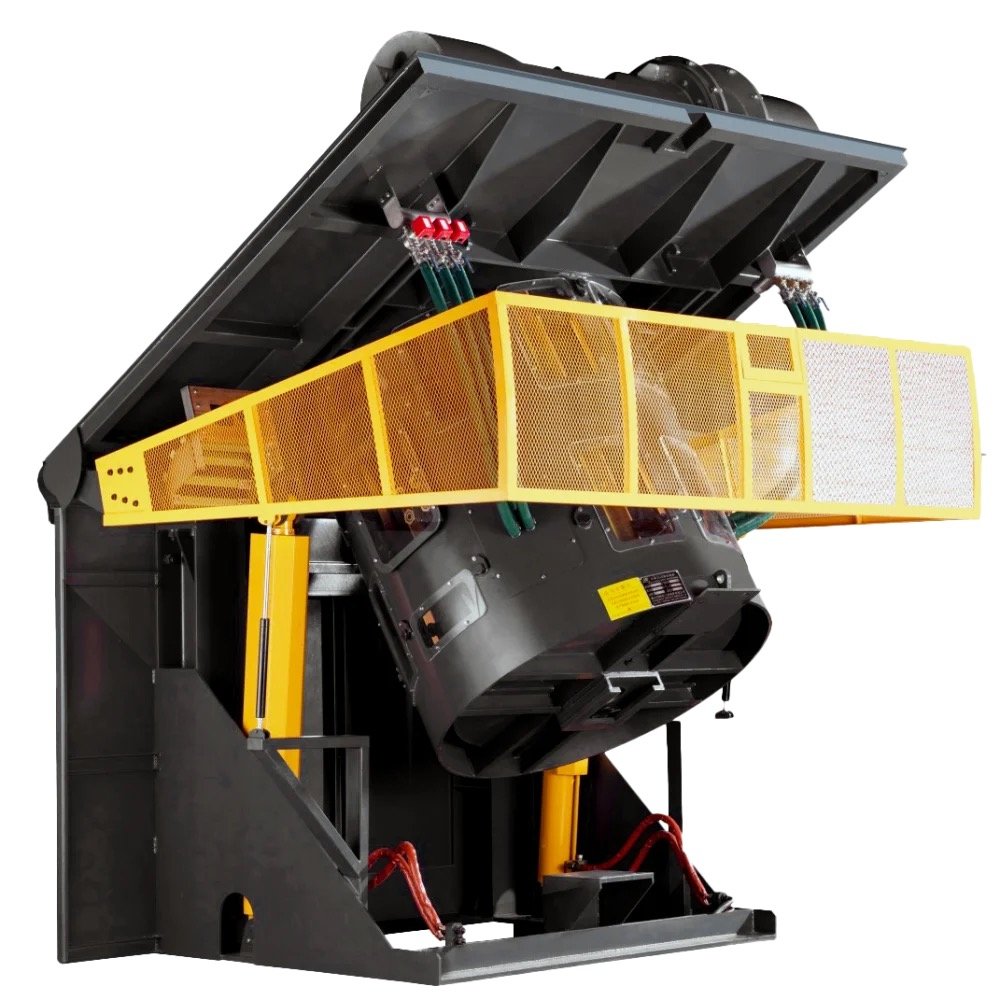
Medium Frequency Induction Melting Furnace for Advanced Metal Melting
A medium frequency induction melting furnace is an efficient and precise solution for modern industrial metal melting applications. By using electromagnetic induction to generate heat directly inside the material, these furnaces offer rapid heating and exceptional temperature control compared with traditional melting methods.
For manufacturers working with steel, iron, aluminum, copper, and various alloys, induction melting furnaces help improve production quality while reducing energy consumption. This makes them an ideal choice for foundries, metal recycling facilities, and precision engineering operations.
Among the industry’s reliable solutions is the medium frequency induction melting furnace provided by WOLFU, designed for high performance and long-term operation.
What Is a Medium Frequency Induction Melting Furnace?
A medium frequency induction melting furnace uses alternating magnetic fields to heat conductive metal materials. Unlike traditional fuel-fired or resistance furnaces, induction systems induce electrical currents inside the metal, creating heat from within. This direct heating mechanism reduces energy loss and accelerates the melting process.
Medium frequency refers to the frequency range of the electrical power input, typically between 500 and 5000 Hz. This range balances efficient heat penetration with stable temperature control, making it suitable for various industrial applications.
The induction melting process is widely used in metal casting, alloy production, and recycling operations.
How the Induction Melting Process Works
Power Conversion
The furnace converts standard electrical power to medium frequency alternating current. This current energizes the induction coil, which generates a magnetic field around the crucible containing the metal charge.
Induced Eddy Currents
When conductive metal is placed within the magnetic field, eddy currents are generated inside the material. These currents produce heat due to electrical resistance, melting the metal efficiently and uniformly.
Temperature Control
Modern induction furnaces are equipped with digital control systems that monitor and maintain precise melting temperatures. This automation helps improve consistency, reduce energy waste, and support complex production requirements.
Main Advantages of Medium Frequency Induction Melting Furnaces
Fast Melting Speed
Induction furnaces heat materials quickly due to direct internal heating, reducing cycle times and increasing throughput.
High Energy Efficiency
Because energy is transferred efficiently into the material without heating the surrounding environment, these furnaces often consume less power than traditional melting systems.
Precise Temperature Control
Accurate control over temperature helps reduce defects and improve the quality of cast products.
Cleaner Production
Induction systems do not require combustion, reducing fumes, smoke, and emissions in the workshop environment.
Improved Safety
Without open flames or combustion processes, induction furnaces generally provide a safer working environment, reducing heat exposure to operators.
Applications of Medium Frequency Induction Melting Furnaces
Medium frequency induction melting furnaces are widely used in several industries, including:
- Foundries: Melting ferrous and non-ferrous metals for casting operations
- Metal Recycling: Melting scrap metal for reuse
- Automotive Manufacturing: Producing high-quality alloy castings
- Defense and Aerospace: Precision alloy melting for critical components
- Electronic Equipment: Manufacturing metal parts with controlled thermal properties
In these applications, reliable melting performance and process control are essential for consistent product outcomes.
Why Choose WOLFU Medium Frequency Induction Melting Furnace?
WOLFU’s medium frequency induction melting furnace offers stable performance and advanced control features designed for industrial use. Whether you are running a foundry, metal recycling facility, or precision manufacturing line, this furnace can support your melting needs with dependable output.
This system is engineered for durability and easy integration into production workflows. It also minimizes energy waste and environmental impact, helping companies meet modern efficiency and sustainability goals.
In addition to induction melting equipment, WOLFU provides other industrial solutions including:
For more technical content and industry insights, visit the WOLFU Industry Blog.
How to Select the Right Induction Melting Furnace
Determine Daily Production Capacity
Choose equipment that matches your expected daily melting volume. Overcapacity can increase operational costs, while under-capacity may limit production output.
Material Compatibility
Medium frequency induction furnaces can handle various metals including ferrous and non-ferrous materials. Verify that the machine configuration supports your specific metal types.
Temperature Requirements
Precise control over melting temperatures is essential for alloy production and high-quality castings. Ensure the furnace’s control system meets your thermal process needs.
Automation and Safety Features
If production involves repetitive cycles or robotic integration, automation capabilities and safety protections should be evaluated.
Energy Efficiency Expectations
Energy efficiency affects long-term operating costs. Evaluate power input range and control precision to ensure optimal performance.
Benefits of Efficient Melting in Industry
Efficient metal melting reduces energy waste, improves throughput, and minimizes defects. In industries like automotive manufacturing and aerospace, consistent melting performance is key to meeting quality standards and reducing scrap rates.
By adopting medium frequency induction melting technology, businesses can improve their processes, reduce production cycle times, and support sustainable manufacturing practices.
In a competitive market, these process improvements help companies maintain a cost advantage and deliver higher-quality products.
Conclusion
A medium frequency induction melting furnace offers modern foundries and metal processing operations an efficient, precise, and energy-saving solution for melting applications.
With fast heating, accurate temperature control, and lower emissions, induction melting technology helps manufacturers improve production workflows and product consistency.
If you are planning to upgrade your melting equipment or expand production capabilities, WOLFU’s industrial solutions can support your needs.
Explore WOLFU Medium Frequency Induction Melting Furnace and Request a Quote
FAQ
What metals can a medium frequency induction melting furnace process?
These furnaces can melt steel, iron, aluminum, copper, and various non-ferrous alloys depending on configuration and power capacity.
Why is medium frequency induction melting more efficient?
Medium frequency induction heating generates heat inside the metal, improving energy transfer efficiency and reducing heat loss compared with external heating systems.
What industries benefit most from induction melting furnaces?
Foundries, metal recycling plants, automotive manufacturing, aerospace production, and electronics manufacturing all benefit from efficient induction melting technology.
1 comment on “Medium Frequency Induction Melting Furnace for Advanced Metal Melting”