
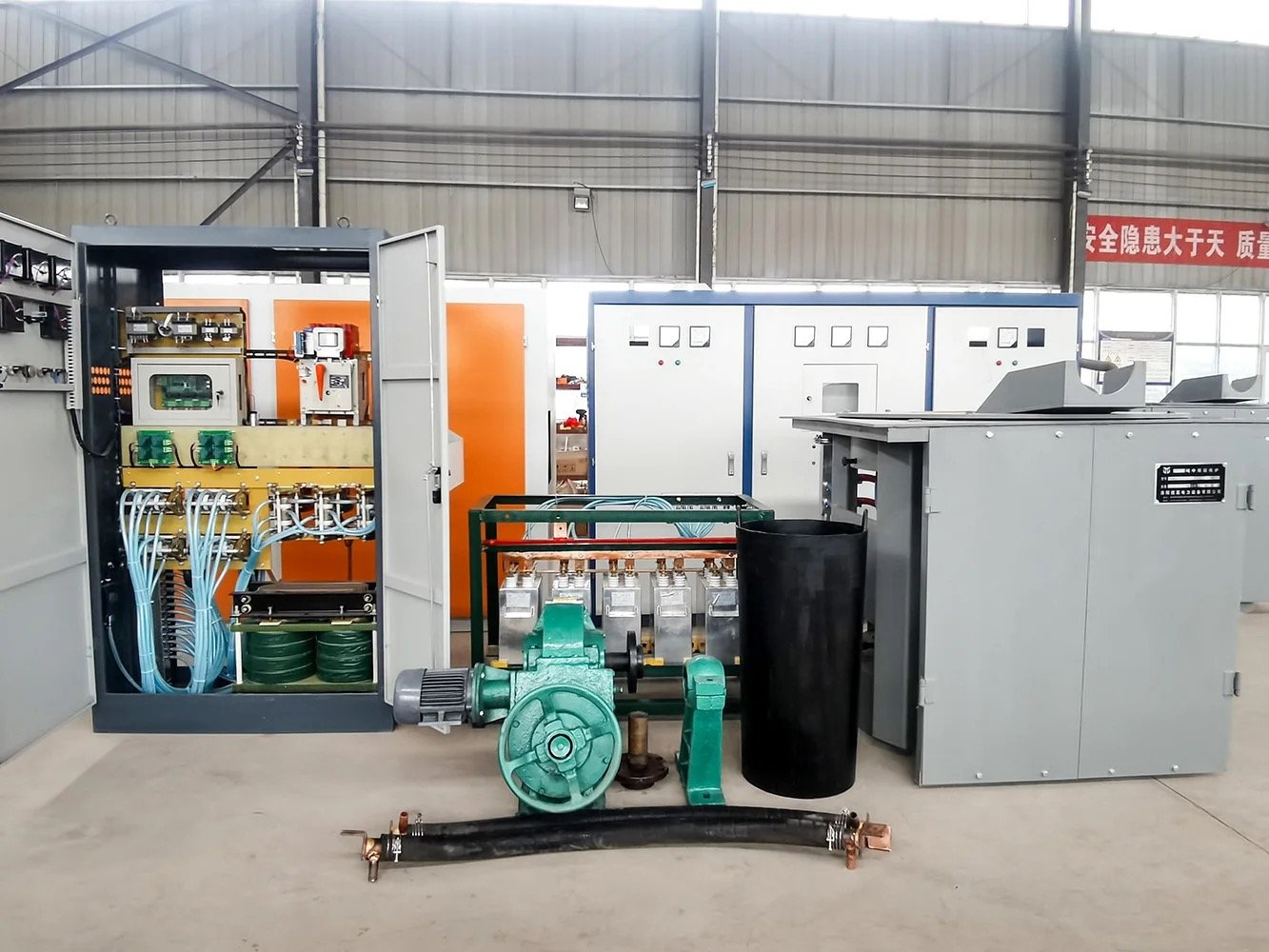
2 Ton Medium Frequency Induction Furnace: Practical Guide
A 2 ton medium frequency induction furnace is a practical solution for foundries, recycling plants, and metal-processing workshops that require stable batch melting. It uses electromagnetic induction to heat conductive metal materials directly, helping operators manage the melting process with controlled electrical power.
This furnace size is suitable for medium-scale production. It provides a balance between output capacity, workshop space, energy demand, and operating flexibility.
For detailed equipment information, review the WOLFU 2 Ton Medium Frequency Induction Furnace.
Key Specifications
The WOLFU 2 ton furnace is designed for industrial metal melting applications, including aluminum, steel, and selected alloys.
| Parameter | Specification |
|---|---|
| Batch Capacity | 2 tons |
| Suitable Materials | Aluminum, steel, and selected alloy metals |
| Input Voltage | 380V |
| Transformer Capacity | 800 KVA |
| Typical Melting Time | Approximately 60 minutes |
| Reference Power Consumption | Approximately 650 kWh per ton |
| Control System | PLC, thyristor, and capacitor system |
| Furnace Structure | Steel-shell furnace body |
| Tilting Method | Hydraulic tilting |
| Certification | ISO9001 and CE |
Actual performance may vary depending on metal type, feedstock condition, loading method, target temperature, and cooling-water conditions.
Main Advantages
Controlled Electrical Melting
Induction melting generates heat inside the metal charge rather than using a direct flame. This allows operators to regulate power output more precisely and maintain a cleaner production environment.
Suitable for Medium-Scale Production
A 2 ton capacity is practical for factories that need regular batch melting without installing an oversized system. For buyers comparing multiple sizes, WOLFU also provides a medium frequency induction melting furnace range from 0.5T to 5T.
PLC-Based Operation
The PLC control system helps operators monitor the melting process and manage power output more consistently. This supports repeatable operation and clearer production management.
Hydraulic Tilting System
After melting, the furnace can be tilted hydraulically for controlled pouring into molds, ladles, or downstream casting equipment.
Water-Cooling Support
The induction coil and electrical components require reliable cooling. A stable cooling-water system is essential for safe and continuous operation.
Typical Applications
A 2 ton medium frequency induction furnace can be used in several industrial settings.
| Application | Typical Use |
|---|---|
| Foundries | Melting metal for cast parts and components |
| Recycling Plants | Processing sorted scrap metal |
| Aluminum Workshops | Preparing molten aluminum for ingot casting |
| Steel Casting Facilities | Melting steel for mold casting |
| Alloy Production Lines | Managing controlled batch melting |
For aluminum-focused projects, buyers may also review the WOLFU Induction Heating Furnace for Aluminum Melting.
How the Melting Process Works
Raw-Material Preparation
Metal feedstock should be sorted, cleaned, and checked before loading. Wet materials, sealed containers, and contaminated scrap should not enter the furnace.
Controlled Charging
The charge is added gradually according to the operating procedure. Consistent loading helps maintain stable cycle times.
Induction Heating
The induction coil creates an electromagnetic field that heats the metal. Operators monitor the PLC system, power output, and cooling conditions throughout the cycle.
Tilting and Pouring
Once the metal reaches the required temperature, the hydraulic system supports controlled pouring into downstream casting equipment.
How to Select the Right Configuration
Confirm the Metal Type
Aluminum, steel, copper, and alloy metals have different melting temperatures and process requirements. Buyers should provide the primary metal type and raw-material condition before selecting a furnace.
Calculate Daily Output
Batch capacity alone is not enough. Buyers should also consider the number of cycles per shift, loading time, melting time, pouring time, and maintenance schedule.
Check Workshop Conditions
Before installation, confirm the available voltage, transformer capacity, floor space, ventilation, cooling-water system, and safe operator access.
Match the Downstream Process
The furnace should fit the casting or refining process that follows melting. For special metallurgical projects, review the WOLFU Industrial Vacuum Induction Melting Furnace.
Maintenance and Safety
Routine inspection is important for stable operation. Operators should regularly check the cooling-water circuit, furnace lining, electrical connections, hydraulic system, and control components.
Staff should receive professional training before operating the furnace. The workshop should include clear pouring routes, suitable personal protective equipment, and emergency procedures.
Why Choose WOLFU?
WOLFU provides industrial furnace equipment and metal-processing solutions for different production requirements. The engineering team can help evaluate metal type, batch capacity, workshop conditions, and downstream production needs.
For a broader technical introduction, read: Medium Frequency Induction Melting Furnace for Advanced Metal Melting.
Conclusion
A 2 ton medium frequency induction furnace is a practical choice for medium-scale foundries, recycling plants, and metal-processing workshops. It offers controlled electrical melting, flexible operation, and reliable batch capacity.
Before ordering, buyers should confirm metal type, daily output, voltage conditions, cooling requirements, and downstream casting process.
Planning a metal melting project?
Review the specifications and contact WOLFU for a customized recommendation:
Request a Quote for the WOLFU 2 Ton Medium Frequency Induction Furnace
Frequently Asked Questions
What materials can a 2 ton induction furnace melt?
The WOLFU 2 ton furnace is designed for aluminum, steel, and selected alloy metals.
How long does one melting cycle take?
The reference melting time is approximately 60 minutes. Actual cycle time depends on material type, loading method, and target temperature.
What information is needed before requesting a quotation?
Buyers should provide the metal type, expected daily output, available voltage, workshop conditions, and downstream casting process.