
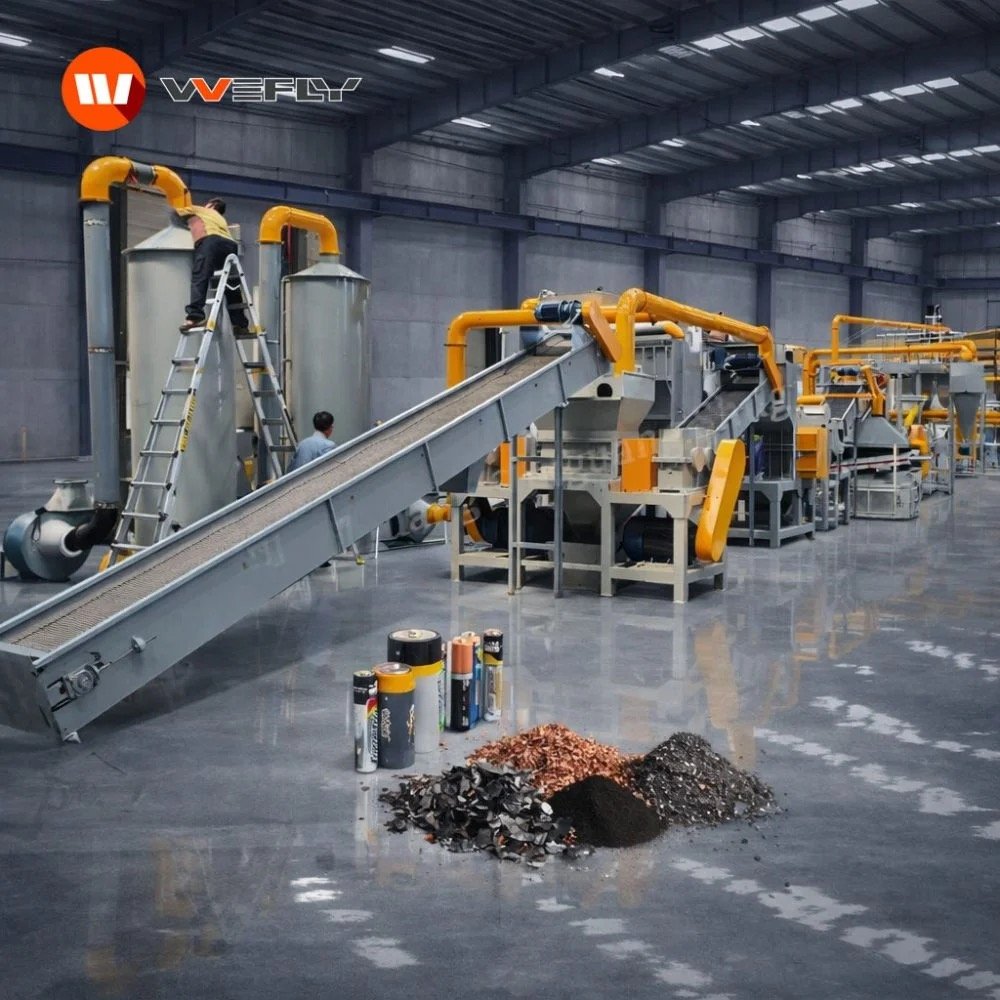
Lithium Battery Recycling Plant for Sustainable Resource Recovery
A lithium battery recycling plant is an advanced solution designed to recover valuable metals and materials from spent lithium-ion batteries. As electric vehicles, consumer electronics, and energy storage systems continue to proliferate, effective recycling solutions are essential to reduce environmental impact and reclaim high-value components like lithium, cobalt, and nickel.
Traditional disposal methods for spent batteries pose safety risks, increase landfill waste, and contribute to environmental contamination. Modern recycling plants use systematic processes to safely dismantle, separate, and recover materials while minimizing emissions and resource loss.
For companies and recycling facilities seeking efficient lithium battery recycling systems, WOLFU provides a robust lithium battery recycling plant designed for high recovery rates and stable industrial performance.
What Is a Lithium Battery Recycling Plant?
A lithium battery recycling plant is industrial equipment that processes used lithium-ion batteries, dismantles them, and separates component materials for reuse. This includes recovering metals such as lithium, cobalt, nickel, copper, and aluminum, as well as potentially reusable electrolytes and binders.
Recycling lithium batteries not only conserves valuable resources but also reduces environmental hazards associated with hazardous materials and heavy metals being released into the environment.
The recycling process typically includes battery discharging, crushing, mechanical separation, chemical treatment, and material recovery stages to ensure efficient reclamation of reusable elements.
How the Lithium Battery Recycling Process Works
Battery Discharging
The first step in recycling is to safely discharge the battery to eliminate residual electrical energy. This prevents short-circuits and enhances operator safety during further processing.
Mechanical Crushing
Once discharged, batteries are mechanically crushed into smaller pieces. This facilitates material separation and improves the efficiency of downstream recovery processes.
Separation Techniques
Different separation techniques such as magnetic separation, air classification, and sieving help isolate metals, plastics, and other components. These techniques improve purity and recovery yield.
Chemical Recovery
Chemical treatment and hydrometallurgical methods are used to dissolve and reclaim valuable metals like lithium, cobalt, and nickel. These recovered materials can then be reused in new battery manufacturing or other industrial applications.
Main Advantages of Lithium Battery Recycling Systems
Resource Conservation
Recycling lithium batteries helps reclaim valuable materials that can be reused in manufacturing, reducing reliance on raw mining operations and conserving natural resources.
Environmental Protection
Proper recycling helps prevent hazardous materials and heavy metals from entering landfills or water systems, mitigating soil and water contamination risks.
Economic Efficiency
Recovered materials from lithium batteries have significant market value. Reclaiming these resources can reduce material costs for battery manufacturers and recyclers.
Improved Safety
Industrial recycling plants incorporate controlled discharging and processing systems to reduce fire and chemical exposure risks associated with spent batteries.
Support for Circular Economy
Recycling contributes to circular manufacturing practices by converting waste batteries into reusable materials, supporting sustainable development goals.
Applications of Lithium Battery Recycling Plants
Lithium battery recycling plants are widely used in:
- Electric Vehicle (EV) Manufacturers: Processing spent EV batteries
- Consumer Electronics Recycling: Recovering materials from phones, laptops, and portable devices
- Energy Storage Systems: Recycling batteries from grid-scale or residential storage
- Battery Remanufacturing Facilities: Providing high-purity materials for new battery production
- Industrial Recycling Companies: Supporting sustainable operations
These systems help establish closed-loop recycling and reduce environmental burdens associated with disposal of lithium-ion batteries.
Why Choose WOLFU Lithium Battery Recycling Plant?
WOLFU’s lithium battery recycling plant provides advanced processing capabilities, optimized material recovery systems, and dependable performance designed for large-scale recycling operations.
This solution is designed to support efficient recovery of high-value battery components and reduce operational complexity for industrial recycling facilities. With precise control and stable operation, WOLFU systems help recyclers improve recovery outcomes while maintaining safe production conditions.
In addition to lithium battery recycling solutions, WOLFU also offers related industrial equipment such as:
For more industry news and recycling technology insights, visit the WOLFU Industry Blog.
Key Considerations When Choosing a Recycling Plant
Capacity and Throughput
Evaluate the system’s processing capacity to ensure it meets your expected volume of battery recycling per day or per hour.
Material Compatibility
Different recycling systems may handle varied battery types, sizes, and cell chemistries. Ensure the system is compatible with your target battery models.
Separation Efficiency
High-efficiency separation systems help improve recovery rates and material purity, increasing the value of recovered resources.
Safety Features
Controlled discharging, fire suppression, and automated processing functions are critical for safe battery recycling operations.
Energy Consumption
Energy-efficient designs can help reduce operating costs and contribute to overall sustainability goals.
The Role of Recycling in a Sustainable Future
As global industries strive to reduce environmental impact and conserve natural resources, recycling technologies such as lithium battery recycling plants play a vital role. These systems help mitigate the challenges of battery disposal while supporting the reuse of valuable materials in new manufacturing cycles.
By adopting industrial recycling solutions, companies can improve operational sustainability, reduce waste, and contribute to circular economy initiatives.
In the coming years, advanced recycling plants are expected to incorporate more automation, data-driven control, and energy-efficient processes to further improve performance and environmental outcomes.
Conclusion
A lithium battery recycling plant offers a practical and efficient solution for reclaiming high-value materials from spent lithium-ion batteries while supporting environmental sustainability.
By deploying advanced recycling systems, manufacturers and recycling facilities can optimize material recovery, reduce waste, and enhance overall production efficiency.
If your business is focused on sustainable recycling and resource recovery, WOLFU’s lithium battery recycling solutions can help you achieve strategic operational goals.
Explore WOLFU Lithium Battery Recycling Plant and Get a Quote
FAQ
What is a lithium battery recycling plant?
A lithium battery recycling plant is industrial equipment used to disassemble, separate, and recover materials from spent lithium-ion batteries for reuse.
Why is battery recycling important?
Battery recycling reduces environmental risks, conserves valuable metals, and supports sustainable manufacturing practices.
What materials can be recovered from lithium batteries?
Recovered materials may include lithium, cobalt, nickel, copper, aluminum, and other components depending on the recycling process used.