
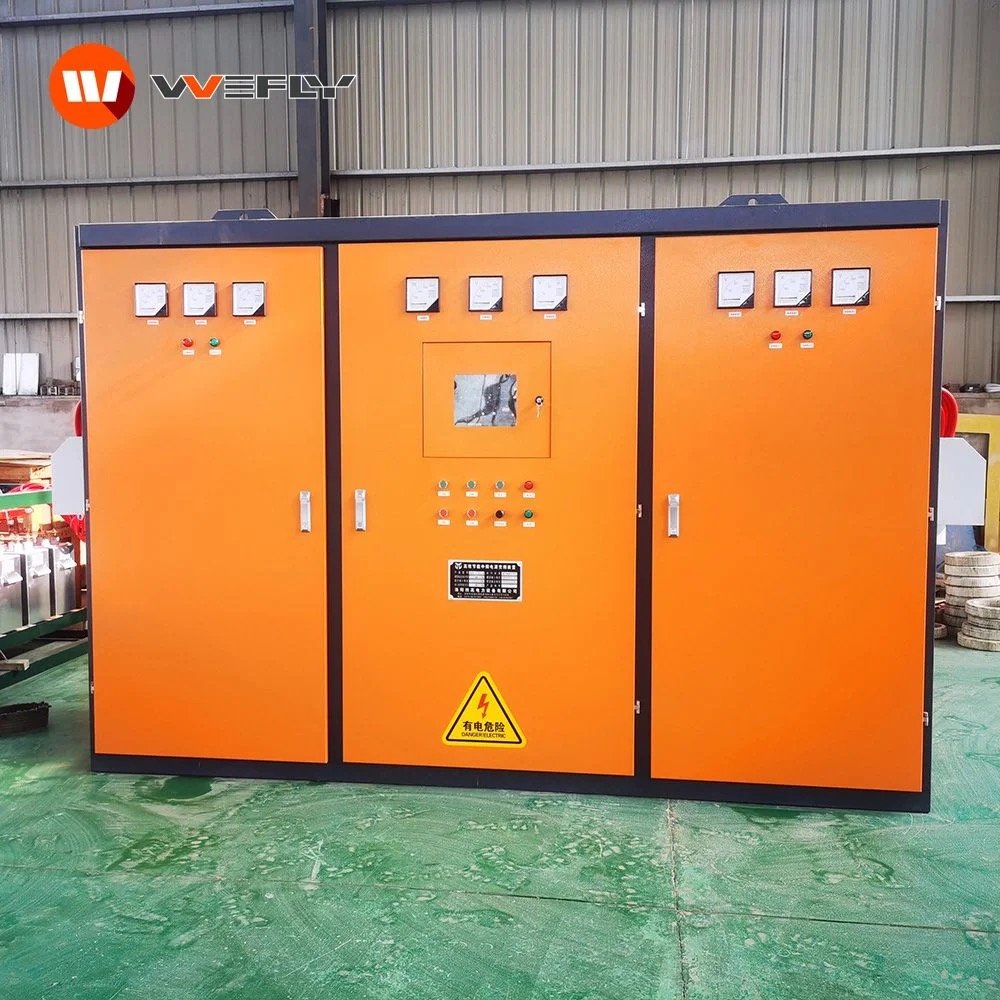
Induction Melting Furnace for Efficient Industrial Metal Smelting
An induction melting furnace is a high-efficiency solution for industrial metal smelting, casting, and recycling operations. By using electromagnetic induction technology, this furnace heats metal directly inside the crucible, helping manufacturers achieve faster melting speed, stable temperature control, and cleaner workshop conditions.
For foundries, metal processing plants, and recycling companies, reliable melting equipment is essential for maintaining product quality and production efficiency. Compared with many traditional fuel-fired systems, induction melting offers better energy utilization, lower emissions, and more precise process control.
WOLFU provides a professional induction melting furnace designed for copper, brass, iron, steel, aluminum, zinc, lead, nickel, and other industrial metals.
What Is an Induction Melting Furnace?
An induction melting furnace is an electrical furnace that melts conductive metals through electromagnetic induction. Instead of using direct flame or external heating, the system generates an alternating magnetic field through an induction coil. This magnetic field creates eddy currents inside the metal, and these currents generate heat through electrical resistance.
Because heat is generated directly within the metal charge, the melting process is fast and efficient. This direct heating method also helps reduce heat loss, improve temperature stability, and minimize contamination during smelting.
Induction melting furnaces are widely used in medium-scale and large-scale industrial production, especially where stable output and repeatable melting performance are required.
Product Overview: WOLFU Induction Melting Furnace
The WOLFU induction melting furnace is designed for industrial metal smelting applications with melting capacities from 500kg to 1000kg. It uses thyristor inverter induction heating technology and can reach operating temperatures up to 1800°C, making it suitable for a wide range of ferrous and non-ferrous metals.
The furnace is suitable for copper, brass, iron, steel, aluminum, zinc, lead, nickel, and alloy materials. It is commonly used in foundries, metal casting plants, recycling facilities, and industrial smelting workshops.
With a water cooling system, aluminum shell structure, and stable electrical control design, the equipment supports long-term industrial operation and helps reduce downtime during continuous production.
How the Induction Melting Process Works
Power Conversion
The furnace power system converts standard electrical power into medium frequency current. This current is supplied to the induction coil to create a strong alternating magnetic field around the crucible.
Electromagnetic Heating
When metal material is placed inside the crucible, the magnetic field induces eddy currents within the material. These currents produce heat internally and melt the metal quickly.
Controlled Smelting
The operator can monitor and adjust power output, temperature, and melting conditions. Stable control helps improve melt quality and reduce unnecessary energy waste.
Pouring and Casting
After the metal reaches the required melting temperature, it can be poured into molds or transferred to the next processing stage for casting, refining, or alloy production.
Main Advantages of an Induction Melting Furnace
Fast Melting Speed
Induction melting generates heat directly inside the metal, allowing faster temperature rise and shorter melting cycles. This improves production efficiency and helps factories complete more batches in less time.
Energy-Efficient Operation
Since heat is produced inside the material rather than transferred from an external flame, induction systems reduce heat loss and improve energy utilization.
Stable Temperature Control
Precise control over temperature helps improve metal quality, especially when processing alloys that require specific melting conditions.
Cleaner Workshop Environment
Induction melting does not rely on fuel combustion during heating. This helps reduce smoke, dust, and combustion-related emissions in the workshop.
Wide Metal Compatibility
The system can process multiple metals, including copper, aluminum, steel, iron, brass, zinc, lead, nickel, and related alloys.
Applications of Industrial Induction Melting Furnaces
- Foundries: Melting iron, steel, and non-ferrous metals for casting production
- Metal Recycling Plants: Remelting scrap metal into reusable raw materials
- Copper and Brass Processing: Producing billets, ingots, and alloy materials
- Aluminum Smelting: Preparing aluminum material for casting and industrial reuse
- Machinery Manufacturing: Supporting metal part casting and component production
- Industrial Heat Treatment Lines: Working with supporting furnace systems for complete production workflows
Why Choose WOLFU Induction Melting Furnace?
WOLFU’s induction melting furnace is built for practical industrial production, combining efficient thyristor inverter heating, stable temperature control, and reliable cooling protection.
The equipment is suitable for customers who need medium-capacity metal melting from 500kg to 1000kg. It can support foundries, casting plants, recycling businesses, and metal processing factories that require consistent melting performance.
WOLFU also provides related industrial equipment and complete production solutions, including:
For more technical articles and industry updates, visit the WOLFU Industry Blog.
How to Select the Right Induction Melting Furnace
Melting Capacity
Capacity should match your production volume. For medium-scale industrial smelting, a 500kg to 1000kg furnace can provide a practical balance between output and operating cost.
Applicable Metals
Different metals require different melting temperatures and crucible configurations. Before selecting equipment, confirm whether the furnace supports your target materials.
Power and Voltage Requirements
A stable power supply is essential for efficient furnace operation. The production site should match the required voltage, frequency, and electrical capacity.
Cooling System
Water cooling helps protect the induction coil, electrical components, and furnace body. A dependable cooling system is important for continuous operation and equipment life.
Automation and Safety
Operators should evaluate safety protection, temperature monitoring, power control, and auxiliary equipment compatibility before purchasing.
Industry Perspective
Modern metal processing industries are increasingly focused on cleaner production, lower energy consumption, and stable output quality. According to the U.S. Department of Energy, improving industrial energy efficiency is an important strategy for reducing energy waste and production costs.
For smelting and casting operations, induction melting technology supports these goals by reducing unnecessary heat loss and improving process control.
Conclusion
An induction melting furnace is a practical and efficient solution for industrial metal smelting, foundry casting, and recycling applications. With fast melting speed, accurate temperature control, and clean electrical heating, it helps manufacturers improve productivity and material quality.
For companies processing copper, brass, iron, steel, aluminum, zinc, lead, nickel, and related alloys, WOLFU offers reliable furnace equipment designed for demanding industrial environments.
Explore WOLFU Induction Melting Furnace and Request a Quote
FAQ
What metals can an induction melting furnace melt?
It can melt copper, brass, iron, steel, aluminum, zinc, lead, nickel, and many other ferrous and non-ferrous alloys.
What is the capacity of the WOLFU induction melting furnace?
The WOLFU induction melting furnace supports melting capacities from 500kg to 1000kg, depending on the selected model and configuration.
Why is induction melting efficient?
Induction melting generates heat directly inside the metal through electromagnetic induction, which reduces heat loss and improves energy utilization.