
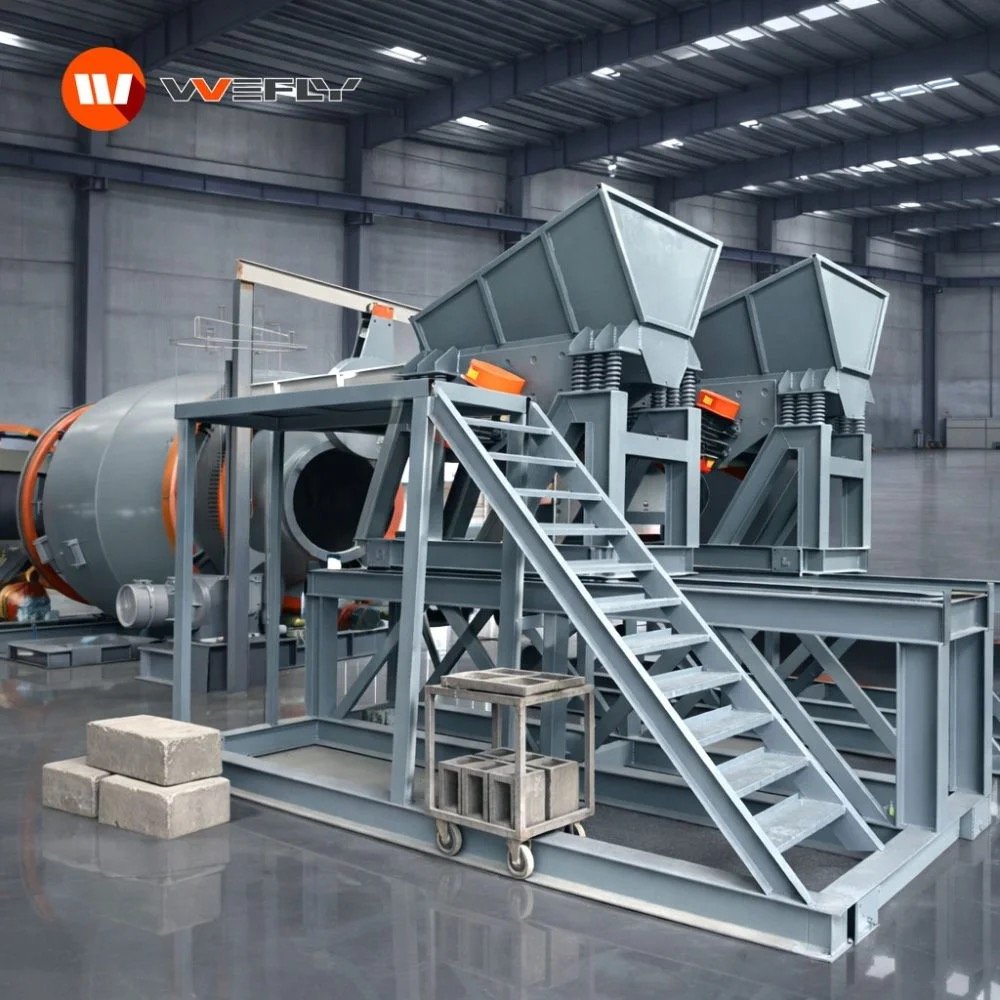
Lead Acid Battery Recycling Line for Lead and Plastic Recovery
A Lead Acid Battery Recycling Line helps recycling companies recover valuable lead and plastic materials from used lead-acid batteries.
Lead-acid batteries are widely used in cars, trucks, electric bicycles, forklifts, backup power systems, and industrial equipment. When these batteries reach the end of their service life, they should be processed through a controlled recycling workflow.
🔵 View WOLFU Lead Acid Battery Recycling Line
The WOLFU Lead Acid Battery Recycling Line is designed for battery cutting, dismantling, crushing, separation, lead recovery, and plastic shell recovery. It is suitable for battery recycling plants, scrap metal recycling facilities, and environmental recycling projects.
Key Specifications
| Feature | Specification | Benefit |
|---|---|---|
| Equipment Name | Lead Acid Battery Recycling Line | Complete battery recycling solution |
| Raw Material | Waste lead-acid batteries | Suitable for common battery waste |
| Processing Materials | Car, truck, electric bicycle, and industrial batteries | Wide application range |
| Main Process | Cutting, dismantling, crushing, separation, lead recovery | Clear industrial workflow |
| Recovered Products | Lead and plastic battery shells | Improves recycling value |
| Feeding Port | Single feeding port, customizable | Flexible plant configuration |
| Operators Required | Normally 2 workers | Reduces labor demand |
| Working Voltage | 380V ±10%; 415V / 440V optional | Supports different plant power conditions |
What Can This Recycling Line Process?
The WOLFU lead acid battery recycling line can process several types of waste lead-acid batteries, including:
- Automotive lead-acid batteries
- Truck batteries
- Electric bicycle batteries
- Industrial lead batteries
- Other lead-acid battery waste
This makes it practical for recycling companies that receive mixed battery materials from vehicle repair shops, scrap yards, logistics fleets, factories, and battery collection networks.
🔵 Request a Quote for WOLFU Lead Acid Battery Recycling Line
How the Recycling Process Works
Step 1: Battery Cutting
The first step is battery cutting. The battery cover or body is opened so the internal materials can be processed further.
Step 2: Battery Dismantling
After cutting, the battery is dismantled to separate major components such as lead plates, plastic shells, and internal materials.
Step 3: Crushing
The material is crushed into smaller pieces. This prepares the mixed material for more accurate separation.
Step 4: Material Separation
The line separates lead material from plastic battery shells and other components.
Step 5: Lead Recovery
Recovered lead can be collected for downstream refining, remelting, or reuse in battery manufacturing and other industrial applications.
Step 6: Plastic Shell Recovery
Plastic battery casings can be cleaned, crushed, and prepared for downstream plastic recycling according to project requirements.
Main Advantages
Complete Processing Workflow
The line connects cutting, dismantling, crushing, separation, and recovery into one organized production process.
Lower Manual Work
Compared with manual dismantling, a professional recycling line reduces repeated labor and improves daily processing efficiency.
Lead and Plastic Recovery
The system recovers two key material streams: lead and plastic battery shells. This improves the value of waste battery processing.
Customizable Equipment Design
WOLFU can customize the feeding design, equipment size, stainless steel machine body, and optional plastic cleaning and crushing system.
Suitable for Industrial Recycling Plants
The line is suitable for battery recycling plants, scrap metal recyclers, e-waste recycling businesses, and environmental recovery projects.
Suitable Applications
The WOLFU Lead Acid Battery Recycling Line is suitable for:
- Lead battery recycling plants
- Scrap metal recycling facilities
- Electronic waste recycling companies
- Battery processing factories
- Environmental recycling projects
- Industrial waste recovery companies
Related WOLFU Solutions
For higher automation with lead melting and ingot production, review:
🔵 WOLFU Fully Automated Lead Acid Battery Recycling Machine
For lithium-ion battery waste processing, review:
🔵 WOLFU Lithium Battery Recycling Plant
For copper recovery from waste cables, review:
🔵 WOLFU Scrap Copper Wire Recycling Separator Machine
Why Choose WOLFU?
WOLFU provides recycling equipment, metal processing systems, industrial furnaces, and customized engineering solutions.
For lead-acid battery recycling projects, WOLFU can help with equipment selection, layout recommendations, feeding design, optional plastic cleaning systems, operation guidance, spare parts support, and long-term technical service.
A properly configured recycling line helps companies improve processing efficiency, reduce manual handling, and recover reusable lead and plastic materials from waste batteries.
Conclusion
A Lead Acid Battery Recycling Line is a practical solution for recovering lead and plastic battery shells from used lead-acid batteries.
The WOLFU system supports battery cutting, dismantling, crushing, separation, lead recovery, and plastic recovery. It is suitable for automotive batteries, truck batteries, electric bicycle batteries, industrial lead batteries, and other lead-acid battery waste.
If your company needs a reliable recycling solution for waste lead-acid batteries, WOLFU can provide a customized equipment configuration based on your battery type, plant layout, voltage requirement, and final material recovery goals.
🔵 Get a Quote for WOLFU Lead Acid Battery Recycling Line
FAQ
What batteries can the WOLFU Lead Acid Battery Recycling Line process?
It can process automotive lead-acid batteries, truck batteries, electric bicycle batteries, industrial lead batteries, and other lead-acid battery waste.
What materials can be recovered?
The main recovered materials are lead and plastic battery shells.
How many operators are normally required?
Normally, the recycling line requires about 2 workers, depending on the plant layout and equipment configuration.
Can the equipment be customized?
Yes. WOLFU can customize the feeding port, equipment size, machine body material, and optional plastic cleaning and crushing system.
What voltage options are available?
The standard voltage is 380V ±10%, with 415V and 440V options available.