
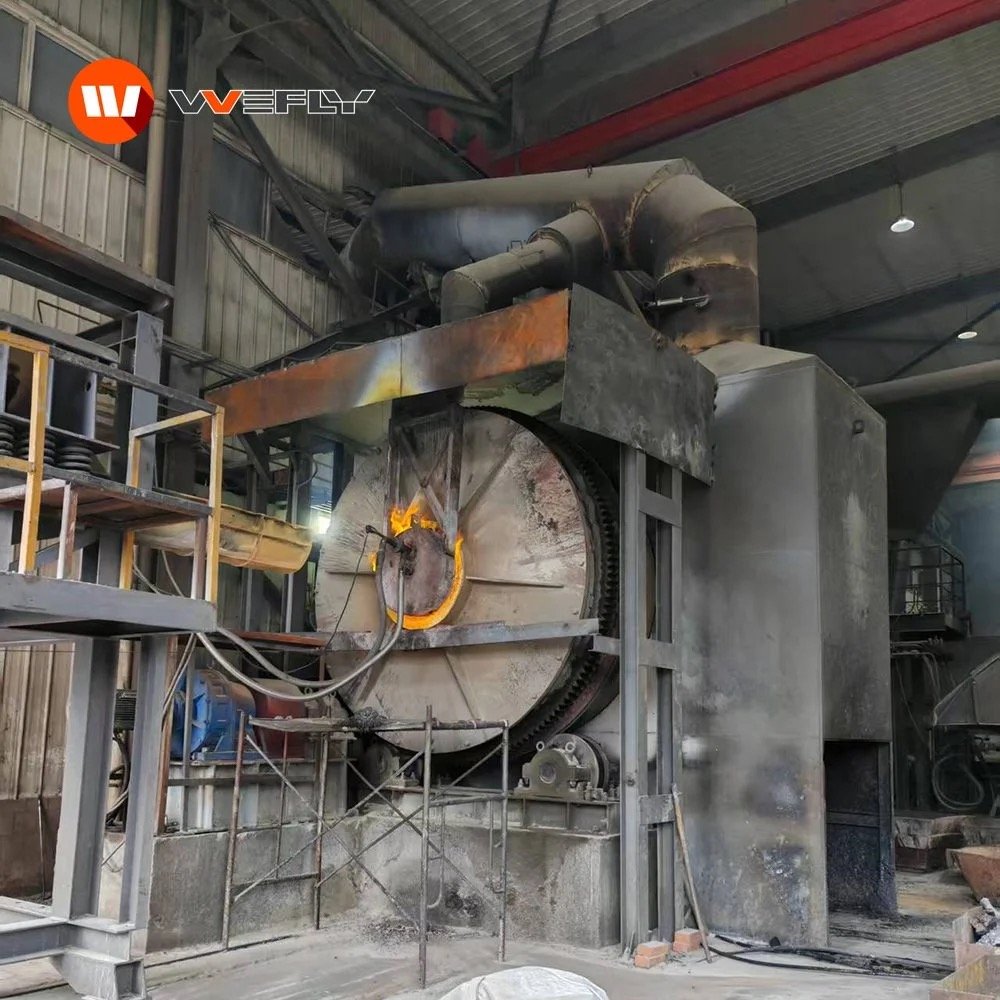
Air Blast Furnace for Copper Smelting and Metal Recovery
An air blast furnace for copper smelting is an industrial furnace system used to process copper-bearing materials and recover valuable copper through high-temperature smelting. It is commonly applied in copper recycling, metal recovery, and non-ferrous smelting operations.
For recycling plants and smelting facilities, stable furnace performance directly affects recovery efficiency, fuel consumption, and final metal quality. A properly designed air blast furnace helps improve heat intensity, combustion efficiency, and processing capacity.
WOLFU provides a professional air blast furnace for copper smelting designed for copper recovery and industrial non-ferrous metal processing.
What Is an Air Blast Furnace for Copper Smelting?
An air blast furnace is a high-temperature smelting system that uses forced air supply to intensify combustion and improve furnace heat efficiency. In copper smelting, the furnace processes copper scrap, copper slag, copper concentrate, or other copper-containing materials.
The air blast system supplies oxygen-rich airflow into the furnace chamber, helping fuel burn more efficiently and maintain the required smelting temperature.
This type of furnace is suitable for industrial copper recovery where consistent heat, strong processing capacity, and practical operating cost are important.
How the Copper Smelting Process Works
Material Preparation
Copper-bearing materials are sorted and prepared before entering the furnace. Proper preparation helps improve smelting efficiency and reduce impurities.
Air Blast Combustion
The furnace uses forced air to strengthen combustion. This raises furnace temperature and supports continuous smelting of copper materials.
Smelting and Separation
At high temperature, copper separates from unwanted materials. Slag and impurities are removed while molten copper is collected for further refining or casting.
Pouring and Recovery
The recovered molten copper can be poured into molds, ingots, or transferred to downstream refining equipment.
Main Advantages of Air Blast Copper Smelting Furnaces
Efficient Heat Supply
Forced air improves combustion intensity, helping the furnace reach and maintain smelting temperatures more effectively.
Suitable for Copper Recovery
The system can process copper-bearing scrap and recovery materials, supporting recycling and resource reuse.
Stable Industrial Operation
A well-designed furnace supports continuous or batch operation for industrial smelting facilities.
Practical Operating Cost
Air blast combustion can improve fuel utilization and reduce unnecessary heat loss during smelting.
Flexible Material Processing
The furnace can be used for different copper-containing materials depending on configuration and production requirements.
Applications of Air Blast Furnaces
- Copper Smelting Plants: Processing copper-bearing raw materials
- Metal Recycling Facilities: Recovering copper from scrap materials
- Non-Ferrous Metal Processing: Smelting copper and related alloys
- Industrial Resource Recovery: Recovering valuable metals from waste streams
- Copper Refining Operations: Preparing molten copper for further refining
Why Copper Recovery Matters
Copper is widely used in electrical equipment, construction, machinery, renewable energy systems, and industrial manufacturing. Because copper retains strong material value after recycling, efficient copper recovery is important for both environmental and economic reasons.
According to the U.S. Geological Survey, copper is a major industrial metal used across electrical, construction, and manufacturing sectors.
Professional smelting equipment helps recycling companies convert copper-containing waste into reusable metal resources while reducing landfill pressure.
Why Choose WOLFU Air Blast Furnace for Copper Smelting?
WOLFU’s air blast furnace for copper smelting is designed for industrial copper recovery, strong combustion performance, and stable smelting operation.
The system is suitable for companies processing copper scrap, copper-containing materials, and non-ferrous metal recovery products.
WOLFU also provides related industrial equipment, including:
For more technical articles and industrial furnace insights, visit the WOLFU Industry Blog.
How to Choose the Right Copper Smelting Furnace
Material Type
Confirm whether the furnace will process copper scrap, concentrate, slag, or mixed copper-bearing materials.
Processing Capacity
Select furnace size based on hourly or daily production requirements.
Fuel and Air Supply
Stable fuel supply and proper air blast configuration are essential for efficient smelting.
Temperature Control
Reliable temperature control helps improve copper recovery and reduce material loss.
Downstream Processing
Consider whether the recovered copper will be cast into ingots, refined further, or used in another production line.
Conclusion
An air blast furnace for copper smelting is a practical solution for copper recovery, non-ferrous metal smelting, and industrial recycling operations.
With forced air combustion, stable heating, and flexible material processing, it helps recycling plants and smelting facilities improve copper recovery performance.
If your business needs reliable copper smelting equipment, WOLFU provides professional industrial furnace solutions for modern metal recovery operations.
Explore WOLFU Air Blast Furnace for Copper Smelting and Request a Quote
FAQ
What is an air blast furnace for copper smelting used for?
It is used to smelt copper-bearing materials and recover copper from scrap, slag, or other copper-containing feedstock.
Why does the furnace use air blast combustion?
Air blast combustion increases oxygen supply, improves fuel burning efficiency, and helps maintain high smelting temperatures.
Who needs an air blast copper smelting furnace?
Copper smelting plants, metal recycling facilities, non-ferrous metal processors, and industrial resource recovery companies can use this equipment.