
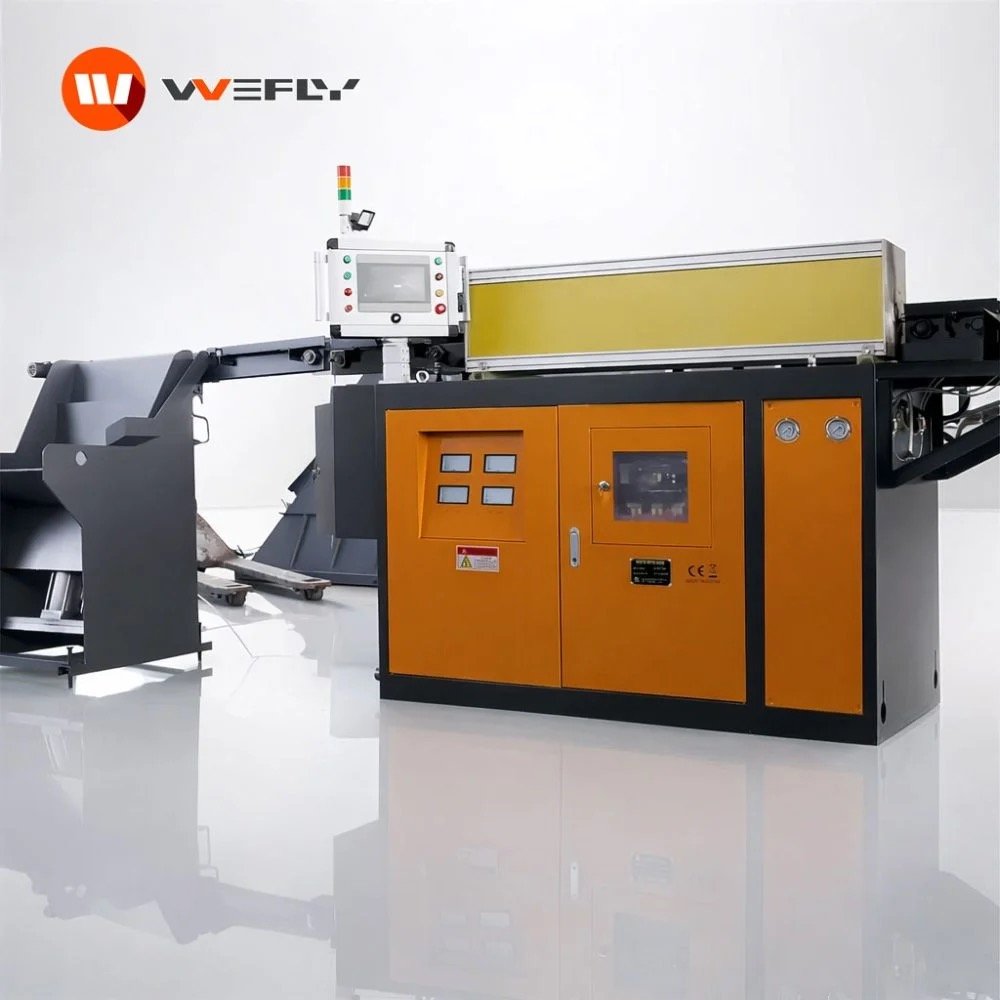
Industrial Induction Heating Furnace for Efficient Metal Processing
An induction heating furnace is a highly efficient solution for modern metal processing, offering fast heating, precise temperature control, and cleaner operation compared with many traditional heating methods. For manufacturers working with steel, copper, aluminum, and other conductive metals, induction heating can improve production speed while helping maintain stable product quality.
Instead of heating the surrounding air or relying on fuel combustion, induction heating generates heat directly inside the metal material through electromagnetic induction. This makes the process suitable for forging, heat treatment, brazing, melting preparation, and other industrial heating applications.
For companies seeking reliable industrial thermal equipment, WOLFU offers a professional induction heating furnace designed for stable performance in demanding production environments.
What Is an Induction Heating Furnace?
An induction heating furnace is an electrical heating system that uses an alternating magnetic field to heat conductive materials. When metal is placed inside or near the induction coil, electrical currents are generated within the material. These currents produce heat quickly and evenly through electrical resistance.
This direct heating method allows manufacturers to reach target temperatures faster and with better control. Because the heat is produced inside the workpiece, less energy is wasted during the process.
Induction heating systems are widely used in industrial production lines where speed, repeatability, and safety are important. Compared with conventional heating systems, they can reduce open-flame risks, lower emissions, and support automated operation.
How Induction Heating Works
Electromagnetic Induction
The furnace uses an induction coil connected to a power supply. When current flows through the coil, it creates an alternating magnetic field. This field induces electrical currents inside the metal workpiece.
Internal Heat Generation
The induced currents encounter resistance inside the metal, creating heat from within. This allows the material to heat rapidly without direct contact with a flame or heating element.
Controlled Temperature Management
Modern induction systems can be equipped with digital controls, temperature monitoring, and automatic adjustment features. These functions help maintain stable heating conditions and reduce process variation.
Main Benefits of Using an Induction Heating Furnace
Fast Heating Speed
Induction heating can reach processing temperatures quickly because heat is generated directly in the metal. This helps shorten production cycles and improve throughput.
Energy Efficiency
Because less heat is lost to the surrounding environment, induction heating can reduce energy waste. This is especially valuable for factories operating continuously or handling high-volume production.
Cleaner Working Environment
Induction heating does not require direct combustion during the heating process. This helps reduce smoke, dust, and fuel-related emissions in the workshop.
Precise Process Control
Accurate temperature control helps improve product consistency. This is important for forging, hardening, annealing, and other applications where material properties depend on controlled heating.
Better Safety
Without open flames, induction systems can create a safer operating environment. Automated feeding, cooling protection, and control systems can further reduce operator risk.
Common Applications
Forging Preparation
Before metal parts are forged, billets or bars often need to be heated to a specific temperature. An induction heating furnace can provide fast, uniform heating for forging operations.
Heat Treatment
Induction heating can be used in heat treatment processes such as hardening, tempering, annealing, and stress relieving. Controlled heating helps improve mechanical properties and reduce internal stress.
Brazing and Welding Support
Induction heating is also suitable for brazing and joining applications. It can deliver focused heat to the required area, reducing unnecessary thermal impact on surrounding parts.
Metal Processing Lines
In continuous production environments, induction heating systems can be integrated with feeding equipment, conveyors, and control systems to support automated manufacturing.
Why Choose WOLFU Induction Heating Furnace?
WOLFU provides industrial furnace equipment for metal processing, casting, melting, and heat treatment applications. The WOLFU induction heating furnace is designed for stable heating performance, practical operation, and industrial production needs.
This equipment is suitable for manufacturers looking to improve heating efficiency, reduce process instability, and build a more reliable thermal processing workflow.
Depending on your production requirements, WOLFU can also provide related industrial furnace solutions, including:
For more technical content and industry updates, visit the WOLFU Industry Blog.
How to Select the Right Induction Heating Furnace
Material Type
Different metals require different heating parameters. Steel, copper, aluminum, and alloy materials may need different power levels, heating times, and coil designs.
Workpiece Size
The size and shape of the material affect coil design and heating efficiency. A properly matched system helps improve heating uniformity.
Production Capacity
Factories should choose equipment based on daily output, cycle time, and continuous operation requirements. Oversized or undersized equipment can reduce efficiency.
Temperature Requirements
Precise temperature control is important for stable material performance. Before purchasing equipment, manufacturers should define the target temperature range and tolerance.
Automation Needs
If the furnace will be used in a production line, automation compatibility should be considered. Feeding systems, temperature monitoring, and PLC controls can improve consistency.
Induction Heating and Production Efficiency
For many factories, heating is one of the most energy-intensive stages in production. A furnace that heats slowly or loses too much energy can increase operating costs and reduce production speed.
An induction heating furnace helps address these problems by delivering heat directly to the material. Faster heating means shorter cycle times, while precise control helps reduce overheating and material waste.
In industries where consistency is important, this can lead to better product quality and fewer rejected parts. Over time, improved process stability can also reduce maintenance pressure and labor costs.
Conclusion
An induction heating furnace is a practical and efficient choice for modern industrial metal processing. It supports fast heating, precise control, cleaner production, and improved workflow efficiency.
Whether your operation involves forging preparation, heat treatment, brazing, or continuous metal processing, induction heating technology can help improve both production quality and operating performance.
If you are planning to upgrade your industrial heating equipment, WOLFU can provide reliable furnace solutions for your production needs.
Explore WOLFU Induction Heating Furnace and Request a Quote
FAQ
What is an induction heating furnace used for?
An induction heating furnace is used for heating conductive metals in forging, heat treatment, brazing, hardening, annealing, and industrial metal processing applications.
Is induction heating more efficient than traditional heating?
Yes. Induction heating generates heat directly inside the metal, which reduces heat loss and can improve energy efficiency compared with many conventional heating methods.
What materials can be heated by an induction heating furnace?
Common materials include steel, stainless steel, copper, aluminum, brass, and various metal alloys, depending on the furnace configuration and power capacity.