
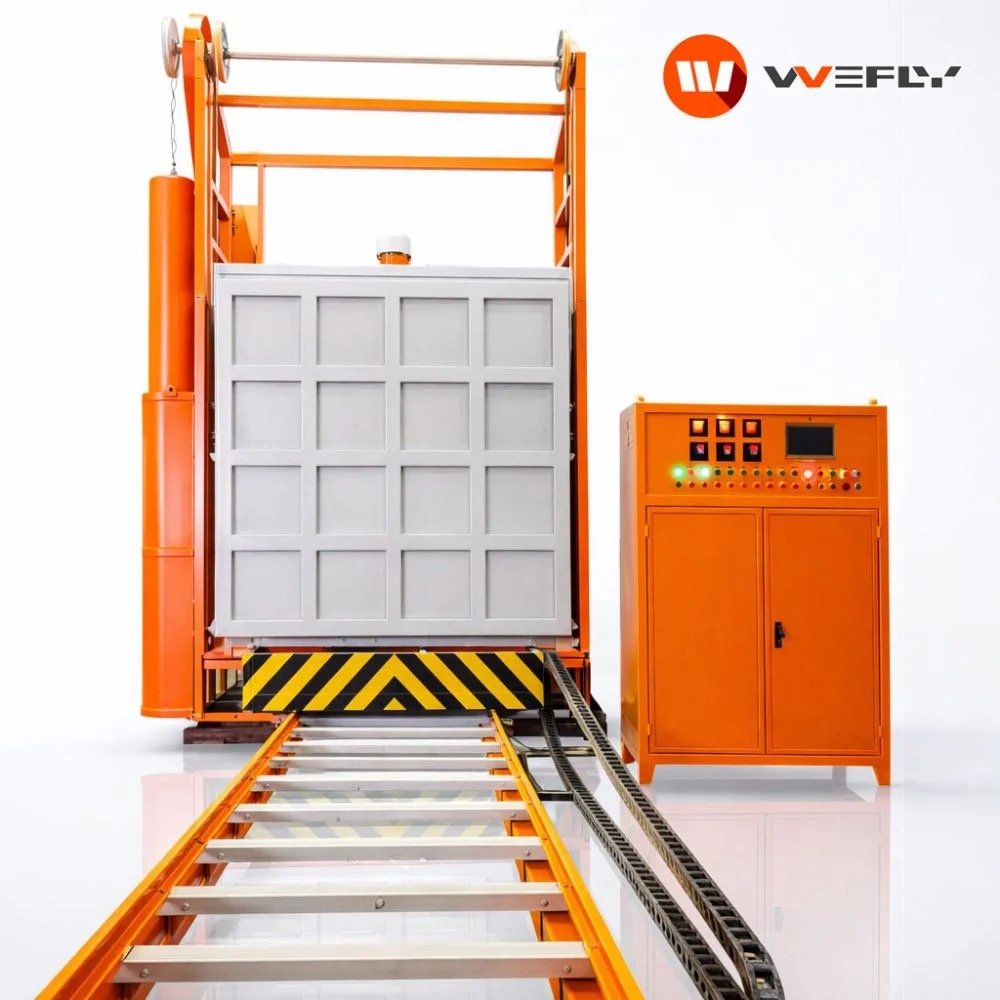
Annealing Furnace Solutions for Precision Metal Heat Treatment
Introduction
An annealing furnace plays a critical role in modern manufacturing by improving the mechanical properties of metals through controlled heating and cooling. Whether used in steel production, aluminum processing, or precision components manufacturing, annealing ensures better ductility, reduced internal stress, and improved machinability.
In industries where material consistency and performance are non-negotiable, investing in a reliable annealing system is essential. This article explores how annealing furnaces work, their applications, and why selecting the right equipment directly impacts production efficiency and product quality.
What Is an Annealing Furnace?
An annealing furnace is an industrial heat treatment system designed to heat materials—typically metals—to a specific temperature, maintain that temperature for a controlled period, and then cool them gradually. This process alters the microstructure of the material, resulting in improved softness, reduced brittleness, and enhanced workability.
The process is widely used in industries such as automotive manufacturing, aerospace, electronics, and construction materials.
How the Annealing Process Works
1. Heating Phase
The material is gradually heated to a specific temperature, depending on its composition. This temperature is typically below the melting point but high enough to allow atomic restructuring.
2. Soaking Phase
The material is held at the target temperature for a predetermined time. This ensures uniform heat distribution and allows internal stresses to relax.
3. Controlled Cooling
Cooling occurs slowly, often inside the furnace itself. This gradual cooling is essential to prevent the formation of new stresses or unwanted hardness.
Key Benefits of Using an Annealing Furnace
Improved Material Ductility
Annealing increases flexibility, making metals easier to shape and process in downstream manufacturing operations.
Stress Relief
Residual stresses from casting, welding, or machining are eliminated, reducing the risk of cracking or deformation.
Enhanced Microstructure
The process refines grain structure, leading to improved mechanical properties and consistency.
Better Electrical Conductivity
In materials like copper and aluminum, annealing improves conductivity, which is crucial for electrical applications.
Applications of Annealing Furnaces
Annealing furnaces are widely used across multiple industries:
- Steel Industry: Softening steel for rolling, forging, and machining
- Aluminum Processing: Enhancing formability for sheets and coils
- Copper Manufacturing: Improving conductivity in wires and rods
- Automotive Parts: Stress relief in gears, shafts, and components
- Electronics: Precision treatment of conductive materials
Choosing the Right Annealing Furnace
Selecting the appropriate annealing furnace depends on several technical factors:
Temperature Range
Different materials require specific temperature profiles. Ensure the furnace meets your process requirements.
Atmosphere Control
Protective atmospheres (such as nitrogen or argon) prevent oxidation and surface contamination.
Energy Efficiency
Modern furnaces are designed to reduce energy consumption while maintaining high performance.
Automation and Control
Advanced PLC systems allow precise temperature control, improving consistency and reducing operator error.
Recommended Industrial Solutions
For high-performance heat treatment, consider integrating an advanced annealing furnace into your production line:
Annealing Furnace for Industrial Metal Processing
In addition to annealing systems, related equipment can further optimize your production workflow:
For more insights on industrial furnace technologies, visit our blog:
Industry Standards and Further Reading
Understanding metallurgical principles is essential for optimizing annealing processes. For technical background, refer to this authoritative resource:
National Institute of Standards and Technology (NIST)
Conclusion
An annealing furnace is a foundational component in modern metal processing, enabling manufacturers to achieve superior material performance and production reliability. From stress relief to improved ductility, the benefits of annealing directly translate into higher product quality and reduced operational risks.
If you are looking to upgrade your heat treatment capabilities, investing in a high-quality annealing system is a strategic decision that supports long-term efficiency and competitiveness.
1 comment on “Annealing Furnace Solutions for Precision Metal Heat Treatment”