
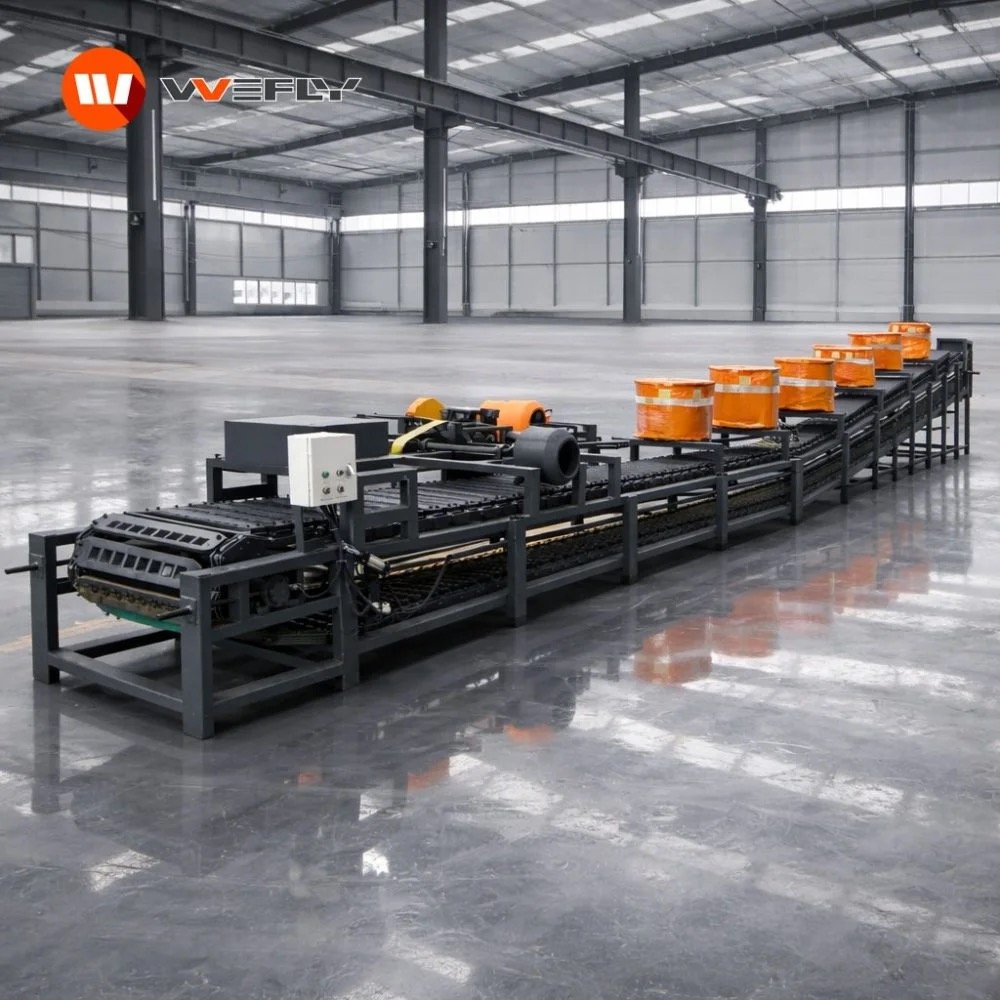
Aluminum Can Recycling Machine for Ingot Casting
An Aluminum Can Recycling Machine is an important solution for scrap metal recycling plants, aluminum recovery businesses, metal smelting workshops, and ingot production factories. Waste aluminum cans and aluminum scraps still contain valuable metal that can be melted, cast, and reused in industrial production.
Instead of selling loose scrap at a lower value, recycling companies can process waste aluminum into standardized ingots. This improves material value, storage efficiency, transportation convenience, and downstream usability.
View WOLFU Aluminum Can Recycling Machine
The WOLFU Aluminum Can Recycling Machine is a complete metal melting and ingot casting production line. It can process waste aluminum cans, aluminum scrap, copper scrap, zinc scrap, and mixed metal materials into aluminum ingots, copper ingots, and zinc ingots.
What Is an Aluminum Can Recycling Machine?
An aluminum can recycling machine is an industrial system used to convert waste aluminum cans and aluminum scrap into reusable metal ingots. The process usually includes scrap feeding, metal melting, molten metal holding, automatic pouring, and ingot casting.
The WOLFU system is not only a simple melting furnace. It is a complete recycling and casting line that integrates a metal melting furnace, automatic pouring system, and ingot casting line. This makes it suitable for companies that want continuous production instead of small manual melting batches.
With adjustable casting speed and customizable ingot moulds, the line can support different production requirements. It can produce standard ingots for resale, storage, transportation, remelting, or downstream manufacturing.
This type of equipment is widely used in aluminum can recycling plants, scrap metal recycling facilities, aluminum ingot production factories, copper recycling workshops, and metal smelting plants.
Why Aluminum Can Recycling Matters
Aluminum is highly recyclable and widely used in beverage cans, packaging, construction materials, transportation parts, electrical products, and industrial components. When aluminum cans are discarded, they still retain strong recycling value.
Recycling aluminum helps reduce raw material waste and supports a more efficient metal supply chain. For recycling businesses, aluminum scrap can become a stable revenue source when it is processed into clean and standardized ingots.
Loose scrap aluminum may be difficult to store, transport, and sell at a higher value. After melting and casting, aluminum ingots are easier to handle and can meet downstream purchasing preferences more effectively.
For small and medium recycling plants, investing in an aluminum can recycling and ingot casting line can turn scattered scrap into a more organized and higher-value final product.
How the WOLFU Aluminum Can Recycling Machine Works
Step 1: Scrap Feeding
The recycling process starts with feeding waste aluminum cans, aluminum scrap, copper scrap, zinc scrap, or mixed metal scraps into the melting system. Before feeding, operators should remove unsuitable impurities, dirt, stones, plastics, and non-metal materials.
Cleaner raw material improves melting efficiency and helps reduce slag generation. Proper sorting also protects the furnace and improves final ingot quality.
Step 2: Metal Melting
After feeding, the metal material enters the melting furnace. The furnace melts aluminum, copper, zinc, or other suitable metal scraps into molten metal.
The WOLFU line can be configured with electric or gas energy sources depending on customer requirements, local energy cost, and production conditions.
Step 3: Molten Metal Holding
After the metal becomes liquid, the molten metal is held at a stable temperature before casting. Holding is important because unstable temperature may affect pouring quality and ingot consistency.
A steady molten metal flow helps the automatic pouring system work smoothly and supports more uniform ingot production.
Step 4: Automatic Pouring
The automatic pouring system distributes molten metal into ingot moulds. Compared with manual pouring, automatic pouring can improve safety, reduce labor intensity, and support more consistent output.
Pouring speed can be adjusted according to production capacity, ingot size, and material condition.
Step 5: Ingot Casting
Molten metal cools and solidifies inside the ingot moulds. The final products can be aluminum ingots, copper ingots, or zinc ingots, depending on the raw material being processed.
Ingot size can be customized according to customer needs. Common ingot weight options include 10kg, 15kg, and 20kg.
Key Advantages of the WOLFU Aluminum Can Recycling Machine
Complete Melting and Casting Production Line
The WOLFU system integrates metal melting, molten metal holding, automatic pouring, and ingot casting. This creates a complete workflow from scrap metal to finished ingots.
For recycling businesses, an integrated line is easier to manage than separate machines. It helps improve production continuity and reduces process interruption.
Wide Raw Material Compatibility
The line can process waste aluminum cans, aluminum scrap, copper scrap, zinc scrap, and mixed metal scraps. This gives recycling plants more flexibility when handling different metal sources.
This is useful for scrap yards and metal recycling businesses that receive different recyclable materials from collection networks, factories, workshops, and dismantling operations.
Flexible Capacity Range
The WOLFU aluminum can recycling machine can be configured from 100 kg to 20 tons per hour. This wide capacity range makes it suitable for small, medium, and larger metal recycling projects.
Buyers can choose a configuration according to daily scrap volume, production schedule, workshop space, and investment plan.
Customizable Ingot Moulds
Ingot mould size can be customized according to customer requirements. The mould can also support custom logo marking if needed.
Custom ingot design helps recycling businesses build a more standardized product for downstream buyers.
Adjustable Casting Speed
The casting speed can be adjusted based on production capacity and process needs. This helps operators balance melting output, pouring rhythm, and ingot solidification.
Adjustable speed also helps improve production control when processing different metals or ingot sizes.
Electric or Gas Heating Options
The melting system can use electric or gas energy sources. This gives customers flexibility based on local utility conditions, fuel availability, operating cost, and plant preference.
Choosing the right energy source is important for long-term production cost and operational convenience.
Technical Parameters of the WOLFU Aluminum Can Recycling Machine
The WOLFU aluminum can recycling machine is designed as an aluminum ingot production line for metal recycling and ingot casting. It can process scrap metal into standardized ingots through melting, holding, automatic pouring, and casting.
The capacity range is 100 kg to 20 tons per hour, depending on configuration. The listed power is 3 kW, voltage is 380V, and the machine weight is approximately 1500 kg.
The production line supports electric or gas energy sources. Final products can include aluminum ingots, copper ingots, and zinc ingots.
For ingot production, common ingot weights include 10kg, 15kg, and 20kg. Melting time is generally 40–90 minutes per pot depending on furnace configuration, metal type, batch size, and operating conditions.
Applicable Raw Materials
The WOLFU aluminum can recycling line can process waste aluminum cans, aluminum scrap, copper scrap, zinc scrap, and selected mixed metal scraps.
Waste aluminum cans are common input materials for beverage packaging recycling. Aluminum scrap may come from manufacturing waste, construction scrap, dismantling operations, or industrial metal processing.
Copper scrap and zinc scrap can also be processed when the system is configured for those materials. However, different metals should usually be processed separately to maintain final ingot quality.
Before production, customers should evaluate raw material type, impurity level, moisture content, feeding size, and expected final ingot requirements.
Final Products After Recycling
Aluminum Ingots
Aluminum ingots are the main final product for aluminum can and aluminum scrap recycling. They are easier to store, transport, sell, and remelt than loose aluminum scrap.
Standardized ingots can improve downstream processing efficiency and make recycled aluminum more useful for industrial buyers.
Copper Ingots
When processing copper scrap, the system can produce copper ingots. These ingots can be used for resale, remelting, casting, or further refining.
Copper ingots are valuable in many industries because copper is widely used in electrical, mechanical, construction, and industrial applications.
Zinc Ingots
The system can also support zinc ingot casting when configured for zinc scrap recycling. Zinc ingots can be used in galvanizing, alloy production, die casting, and other industrial applications.
Common Applications
Aluminum Can Recycling Plants
Aluminum can recycling plants can use this production line to convert collected beverage cans into aluminum ingots. This improves material value and reduces loose scrap storage space.
Scrap Metal Recycling Facilities
Scrap yards and recycling facilities can process aluminum scrap, copper scrap, zinc scrap, and selected mixed metal materials into higher-value ingot products.
Aluminum Ingot Production Factories
Companies focused on aluminum ingot production can use the WOLFU line for continuous melting and casting production.
Copper Recycling Workshops
Copper recycling workshops can configure the system for copper scrap melting and copper ingot casting.
Metal Smelting Plants
Metal smelting plants can use this equipment as part of a broader recycling, melting, and casting workflow.
How to Choose the Right Aluminum Can Recycling Machine
The first factor is raw material type. Waste aluminum cans, aluminum scrap, copper scrap, and zinc scrap have different melting behavior, impurity levels, and casting requirements.
The second factor is capacity. A small recycling workshop may need a 100 kg/h system, while a larger plant may require several tons per hour. The correct capacity should match your actual scrap supply.
The third factor is energy source. Electric heating may be cleaner and easier to control in some plants, while gas heating may be more economical in locations with lower gas cost.
The fourth factor is ingot size. Customers should confirm whether they need 10kg, 15kg, 20kg, or customized ingots. Ingot size affects mould design, pouring speed, cooling time, handling, and packaging.
The fifth factor is automation level. Automatic pouring and continuous ingot casting can reduce labor intensity and improve production consistency.
The sixth factor is workshop layout. A complete line needs space for feeding, melting, holding, pouring, cooling, ingot collection, material storage, and maintenance access.
Related WOLFU Equipment and Resources
For customers who need a larger metal melting system, WOLFU also provides the Medium Frequency Induction Melting Furnace , which is suitable for industrial metal melting, foundry production, and scrap metal processing.
For aluminum rod production, the Aluminum Rod Continuous Casting Machine can support continuous aluminum rod casting after melting and metal preparation.
You can also read WOLFU’s related blog article, Industrial Induction Melting Furnace for Metal Melting and Recycling Applications , to learn more about melting equipment used in recycling and metal processing projects.
Why Choose WOLFU?
WOLFU provides recycling production lines, metallurgical equipment, industrial furnaces, aluminum casting systems, and customized engineering support. For aluminum can recycling and ingot casting projects, customers often need more than a single furnace.
WOLFU can help design a complete workflow based on raw material type, hourly capacity, energy source, ingot weight, mould requirements, pouring method, and workshop layout.
The company can also provide layout drawings, customized ingot moulds, overseas installation support, technical guidance, operator training, and long-term service support.
For small and medium metal recycling businesses, a complete aluminum can recycling machine can help convert loose scrap into standardized metal ingots with better production control.
Conclusion
An Aluminum Can Recycling Machine helps recycling companies turn waste aluminum cans, aluminum scrap, copper scrap, and zinc scrap into valuable metal ingots. By integrating melting, molten metal holding, automatic pouring, and ingot casting, the WOLFU system supports efficient and continuous recycling production.
With a capacity range from 100 kg to 20 tons per hour, customizable ingot moulds, adjustable casting speed, and electric or gas heating options, the line can be configured for different recycling business needs.
If your company wants to produce aluminum ingots, copper ingots, or zinc ingots from scrap metal materials, WOLFU can recommend a suitable melting and casting solution based on your capacity, raw material, energy source, and final ingot requirements.
CTA:
Get a Quote for WOLFU Aluminum Can Recycling Machine
FAQ
What materials can the aluminum can recycling machine process?
The WOLFU aluminum can recycling machine can process waste aluminum cans, aluminum scrap, copper scrap, zinc scrap, and selected mixed metal scraps.
What final products can the system produce?
The system can produce aluminum ingots, copper ingots, and zinc ingots. Ingot weight and mould design can be customized according to customer requirements.
What is the capacity range of the WOLFU aluminum can recycling machine?
The capacity can be configured from 100 kg to 20 tons per hour depending on raw material, furnace configuration, production line design, and customer requirements.