
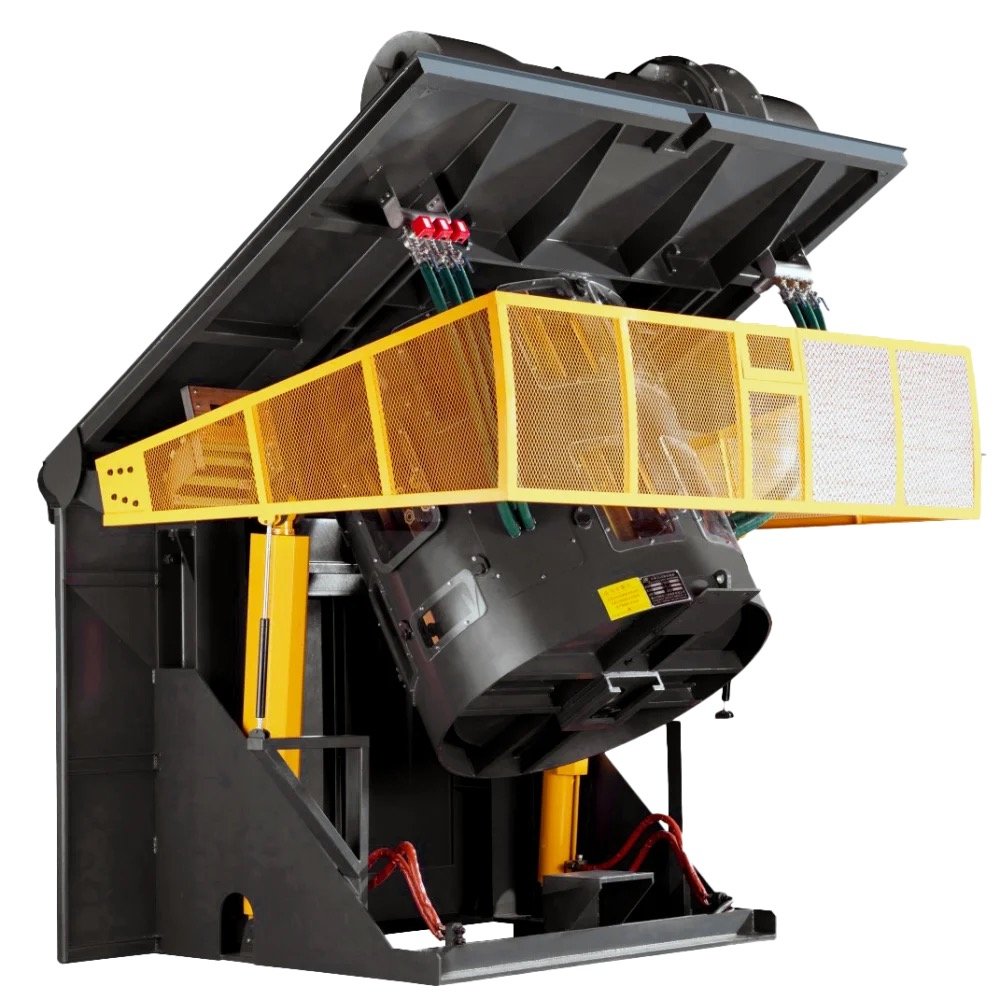
Medium Frequency Induction Melting Furnace Selection Guide
A medium frequency induction melting furnace is widely used for steel, copper, aluminum, stainless steel, and iron melting. It uses electromagnetic induction heating to provide fast melting, stable temperature control, and flexible production.
For buyers, the key is selecting the correct furnace capacity and matching it with the raw material, daily output, power supply, and downstream process.
How Does It Work?
The induction coil generates an electromagnetic field. Metal inside the crucible is heated directly until it melts.
Compared with traditional fuel-fired systems, induction melting offers cleaner operation, easier temperature adjustment, and better production control.
For more details, read:
Medium Frequency Furnace for Efficient Industrial Metal Melting
Suitable Metals and Applications
| Metal Type | Common Applications |
|---|---|
| Aluminum | Ingots, alloy casting, recycled aluminum |
| Copper | Copper rods, ingots, recycling |
| Steel | Foundry castings, billet production |
| Stainless Steel | Alloy production, industrial castings |
| Iron | Cast iron parts, remelting |
How to Select the Correct Capacity
The furnace size should match your required output per shift. WOLFU provides models from 0.5T to 5T per batch.
| Furnace Model | Capacity | Suitable Applications |
| WEF-0.5T | 0.5 ton | Small workshops |
| WEF-1T | 1 ton | Medium-sized foundries |
| WEF-2T | 2 tons | Industrial recycling plants |
| WEF-3T | 3 tons | Continuous casting projects |
| WEF-5T | 5 tons | High-capacity metal processing |
The typical melting cycle ranges from 30 to 100 minutes, depending on the metal type, charging method, and power configuration.
Key Factors Before Purchasing
Raw Material
Different metals require suitable furnace linings, crucibles, and temperature settings.
Daily Output
Estimate the required molten metal output per day, including melting, pouring, and cleaning time.
Power Supply
Confirm local voltage, transformer capacity, and workshop electrical conditions before selecting the furnace model.
Cooling System
A stable cooling system is important for the induction coil and electrical components.
Downstream Process
Some factories only need a stand-alone furnace. Others require integrated casting or rod production equipment.
For aluminum and copper ingot production, review:
WOLFU Medium Frequency Furnace Copper & Aluminum Ingot Casting Production Line
For copper rod production, review:
WOLFU Horizontal Copper Rod Continuous Casting Machine with Melting Furnace
Main Equipment Features
| Feature | Benefit |
| Induction heating | Fast and efficient melting |
| Adjustable power control | Better temperature management |
| Real-time monitoring | Helps detect water pressure, temperature, and electrical issues |
| Multiple capacities | Suitable for different production scales |
| Flexible configuration | Supports different metals and production lines |
Conclusion
A medium frequency induction melting furnace is a practical choice for foundries, recycling plants, and metal processing factories.
The right model should match your raw material, output target, power supply, and production process.
Planning a metal melting project?
Review the product specifications and contact our team:
Request a Quote for the WOLFU Medium Frequency Induction Melting Furnace
FAQ
What metals can the furnace process?
It can process steel, stainless steel, iron, copper, aluminum, and selected alloys.
What furnace capacities are available?
WOLFU provides models from 0.5T to 5T per batch.
Can the furnace connect to a casting line?
Yes. It can be integrated with ingot casting, copper rod production, cooling, and other downstream equipment.