
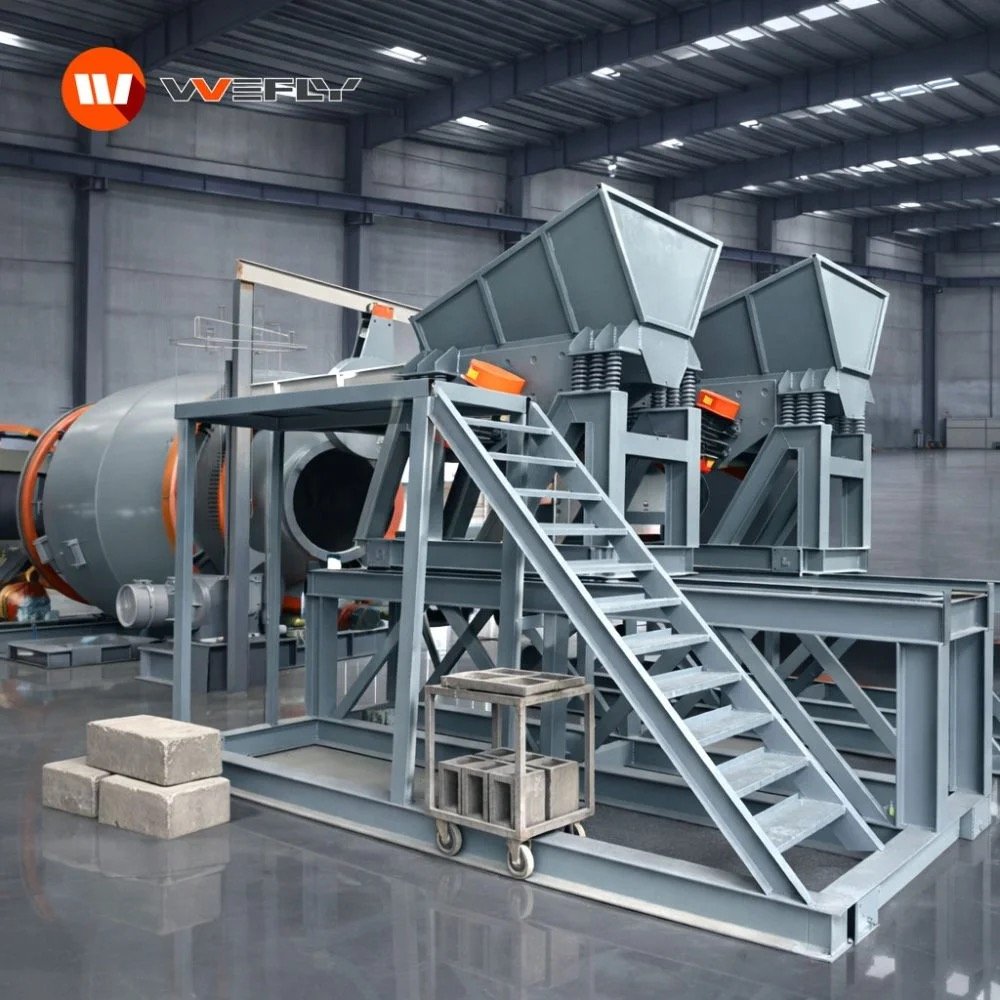
Lead Acid Battery Recycling Line for Lead Recovery
A Lead Acid Battery Recycling Line is an important industrial solution for recycling companies, scrap metal processors, battery service centers, and environmental recycling projects. Lead-acid batteries are widely used in vehicles, trucks, electric bicycles, backup power systems, industrial equipment, and energy storage applications.
When these batteries reach the end of their service life, they still contain valuable lead and recyclable plastic shells. If they are not processed correctly, they may also create environmental and safety risks because of acid, heavy metals, and mixed waste materials.
The WOLFU Lead Acid Battery Recycling Line is designed for cutting, dismantling, crushing, separating, and recovering valuable materials from waste lead-acid batteries. It provides a practical recycling solution for companies that want to recover lead resources and plastic battery casings through a safer and more organized process.
What Is a Lead Acid Battery Recycling Line?
A lead acid battery recycling line is a complete processing system used to break down waste lead-acid batteries and separate their main components. The system usually includes battery cutting equipment, dismantling equipment, lead separation equipment, crushing and sorting systems, and optional plastic cleaning equipment.
The main purpose of the line is to recover lead and plastic battery shells. Recovered lead can be refined and reused in new battery manufacturing or other industrial applications. Recovered plastic shells can be cleaned, crushed, and prepared for downstream plastic recycling.
Compared with manual dismantling, an industrial recycling line provides better efficiency, more stable material separation, lower labor intensity, and improved process control. It is suitable for recycling plants that handle a regular volume of spent lead-acid batteries.
Why Lead Acid Battery Recycling Matters
Lead-acid batteries remain one of the most widely used battery types in transportation and industrial power systems. They are reliable, cost-effective, and easy to maintain, which is why they are still common in automotive, truck, electric bicycle, forklift, telecom, and backup power applications.
However, used lead-acid batteries should not be treated as ordinary waste. They contain lead plates, plastic shells, separators, and sulfuric acid. Without proper processing, these materials may cause pollution and resource loss.
A well-designed recycling line helps recover valuable materials while reducing landfill pressure. It also helps recycling businesses build a more standardized and scalable operation.
For industrial users, the value of lead-acid battery recycling comes from three areas: lead recovery, plastic recovery, and safer battery waste management.
How the WOLFU Lead Acid Battery Recycling Line Works
Step 1: Battery Feeding
The process starts with feeding waste lead-acid batteries into the recycling system. Suitable raw materials include car batteries, truck batteries, electric bicycle batteries, industrial lead batteries, and other lead-acid battery waste.
Before feeding, batteries should be inspected and sorted. Operators should remove unsuitable impurities and prepare the materials according to plant safety rules. Proper sorting helps protect the equipment and improves separation quality.
Step 2: Battery Cutting
The battery cutting machine cuts and opens the battery casing. This step exposes the internal battery structure and prepares the battery for dismantling and material separation.
Battery cutting is an important front-end process because lead plates, plastic shells, acid residue, and separators need to be separated in a controlled way.
Step 3: Battery Dismantling
After cutting, the battery dismantling machine separates battery components such as lead plates and plastic shells. This helps reduce manual handling and improves processing efficiency.
Mechanical dismantling is more suitable for industrial recycling plants than fully manual disassembly because it provides better consistency and higher throughput.
Step 4: Crushing and Sorting
The crushing and sorting system further processes battery shells and mixed materials. It reduces material size and prepares separated fractions for further recovery.
Crushing must be controlled carefully. If the process is too rough, it may create unnecessary fines or mixed material. If it is too light, separation may be incomplete.
Step 5: Lead Separation
The lead separator removes lead components from other battery materials. This is one of the most valuable steps in the process because lead is the main recoverable material from used lead-acid batteries.
The separated lead can be collected for refining, remelting, or reuse in downstream industrial applications.
Step 6: Plastic Shell Recovery
Plastic battery shells are separated as another recyclable material stream. Depending on customer requirements, an optional plastic cleaning and crushing system can be added.
Cleaner plastic output can improve downstream recycling value and make the final material easier to handle, store, and sell.
Step 7: Acid Neutralization and Environmental Handling
Lead-acid batteries contain sulfuric acid. During recycling, acid treatment should be handled carefully to reduce environmental impact and improve plant safety.
The recycling process can include safe neutralization of sulfuric acid. This helps reduce pollution risk and supports a more responsible battery recycling operation.
Key Advantages of the WOLFU Lead Acid Battery Recycling Line
Complete Battery Processing Workflow
The WOLFU system covers multiple processing steps, including battery cutting, dismantling, crushing, separation, and lead recovery. This allows customers to build a complete recycling workflow instead of relying on disconnected machines.
A complete line makes production easier to manage and helps improve material flow from raw battery waste to final recovered products.
Suitable for Multiple Battery Types
The line can process automotive batteries, truck batteries, electric bicycle batteries, industrial lead batteries, and other lead-acid battery waste.
This flexibility is useful for recycling companies that receive mixed battery materials from repair shops, scrap yards, logistics fleets, industrial users, and battery collection networks.
Lead and Plastic Recovery
The main recovered products are lead and plastic battery shells. Lead can be refined and reused in battery manufacturing or other industrial applications. Plastic shells can be cleaned and recycled according to local processing requirements.
Recovering both material streams helps improve the total value of battery recycling and reduces waste volume.
Low Labor Requirement
The WOLFU product page lists a typical operator requirement of two workers. This makes the system practical for recycling plants that want to reduce manual dismantling and improve process efficiency.
Lower labor intensity also helps reduce operator fatigue and improves workshop organization.
Customizable Equipment Configuration
Different customers may process different battery sizes, volumes, and material conditions. WOLFU can customize the feeding port, equipment size, machine body material, and optional plastic cleaning system according to project needs.
Customization is important because a recycling line should match the customer’s actual battery source, plant layout, capacity target, and final product requirements.
Industrial-Grade Durability
Battery recycling equipment must handle heavy materials, acid-related residue, plastic shells, lead plates, and continuous operation. WOLFU uses durable industrial materials to support long-term stable use.
A stable equipment structure helps reduce downtime and improves daily production reliability.
Applicable Raw Materials
The WOLFU lead acid battery recycling line can process several common lead-acid battery types. These include car batteries, truck batteries, electric bicycle batteries, industrial lead batteries, and other lead-acid battery waste.
For best results, customers should classify batteries by type and remove non-battery impurities before feeding. This improves machine protection and separation performance.
Battery condition also matters. Damaged batteries, mixed scrap, excessive dirt, and foreign materials may affect processing efficiency. A clean and stable input stream usually leads to better output quality.
Final Recovered Materials
Recovered Lead
Lead is the primary recovered material from lead-acid battery recycling. It can be collected, refined, and reused in new battery production or other industrial applications.
Because lead has strong recycling value, efficient recovery is the core purpose of this recycling line.
Plastic Battery Shells
Plastic battery casings are another important recovered product. After separation, the plastic shells can be cleaned, crushed, and sent for downstream plastic recycling.
Adding an optional plastic cleaning system can help improve plastic quality and make the recovered material easier to reuse.
Separated Mixed Materials
Depending on the battery type and process configuration, the line may also separate other internal battery components. These materials should be handled according to plant process requirements and local environmental standards.
Who Should Use This Recycling Line?
This equipment is suitable for lead battery recycling plants that want to process waste lead-acid batteries at an industrial scale. It is also suitable for scrap metal recycling facilities that collect used automotive and truck batteries.
Electronic waste recycling companies can use the line when lead-acid batteries are part of their material stream. Battery processing factories can use it to recover valuable materials and reduce waste handling pressure.
Environmental recycling projects can also benefit from this system because it provides a structured method for handling battery waste and recovering reusable resources.
How to Choose the Right Lead Acid Battery Recycling Equipment
The first factor is the type of battery you process. Automotive batteries, truck batteries, electric bicycle batteries, and industrial lead batteries may differ in size, weight, casing structure, and internal material composition.
The second factor is capacity. Customers should calculate daily battery volume, working hours, collection supply, and future expansion plans before selecting equipment.
The third factor is plant layout. A recycling line needs space for feeding, cutting, dismantling, crushing, separation, plastic cleaning, material storage, acid handling, and maintenance access.
The fourth factor is power supply. The WOLFU system uses 380V ±10%, with 415V and 440V options available. Buyers should confirm local voltage before project planning.
The fifth factor is environmental handling. Acid neutralization, dust control, wastewater handling, and worker safety should be included in the overall recycling project design.
Related WOLFU Recycling Solutions
For customers processing other battery waste, WOLFU also provides the Lithium Battery Recycling Plant, which is designed for recovering black mass, copper, aluminum, steel shells, and plastics from waste lithium-ion batteries.
For copper recovery from electrical waste, the Scrap Copper Wire Recycling Separator Machine can recover high-purity copper granules and plastic particles from waste cables.
You can also read WOLFU’s related blog article, Lead Acid Battery Recycling Machine for Safe and Efficient Recovery, to learn more about battery recycling equipment and material recovery workflow.
Why Choose WOLFU?
WOLFU provides industrial recycling equipment, metal processing systems, furnace equipment, and customized recycling line solutions. For lead-acid battery recycling projects, customers often need more than a single machine. They need a complete process plan.
WOLFU can support equipment selection, layout planning, machine customization, installation guidance, operation training, troubleshooting, and lifetime technical service.
The company can customize equipment based on battery size, plant layout, production requirements, feeding method, and optional plastic cleaning needs.
For recycling companies that want to recover lead and plastic from spent lead-acid batteries, WOLFU can provide a practical battery crushing and separation solution for industrial use.
Conclusion
A Lead Acid Battery Recycling Line helps recycling companies recover valuable lead and plastic battery shells from spent lead-acid batteries. By using battery cutting, dismantling, crushing, separation, and lead recovery, the system provides a safer and more efficient recycling workflow.
Compared with manual dismantling, an industrial recycling line can reduce labor intensity, improve material separation, and support more stable production. It is suitable for car batteries, truck batteries, electric bicycle batteries, industrial lead batteries, and other lead-acid battery waste.
If your company needs a reliable recycling solution for waste lead-acid batteries, WOLFU can recommend a customized configuration based on your battery type, plant layout, operating voltage, and production requirements.
CTA: Contact WOLFU today to request a customized quotation for the Lead Acid Battery Recycling Line.
FAQ
What batteries can a lead acid battery recycling line process?
It can process automotive batteries, truck batteries, electric bicycle batteries, industrial lead batteries, and other lead-acid battery waste. Battery type and condition should be checked before feeding.
What materials can be recovered from waste lead-acid batteries?
The main recovered materials are lead and plastic battery shells. Lead can be refined and reused, while plastic shells can be cleaned, crushed, and sent for downstream recycling.
How many operators are needed for the WOLFU recycling line?
The WOLFU product page lists a typical operator requirement of two workers. The actual labor arrangement may vary depending on plant layout, battery feeding method, and production scale.
1 comment on “Lead Acid Battery Recycling Line for Lead Recovery”