
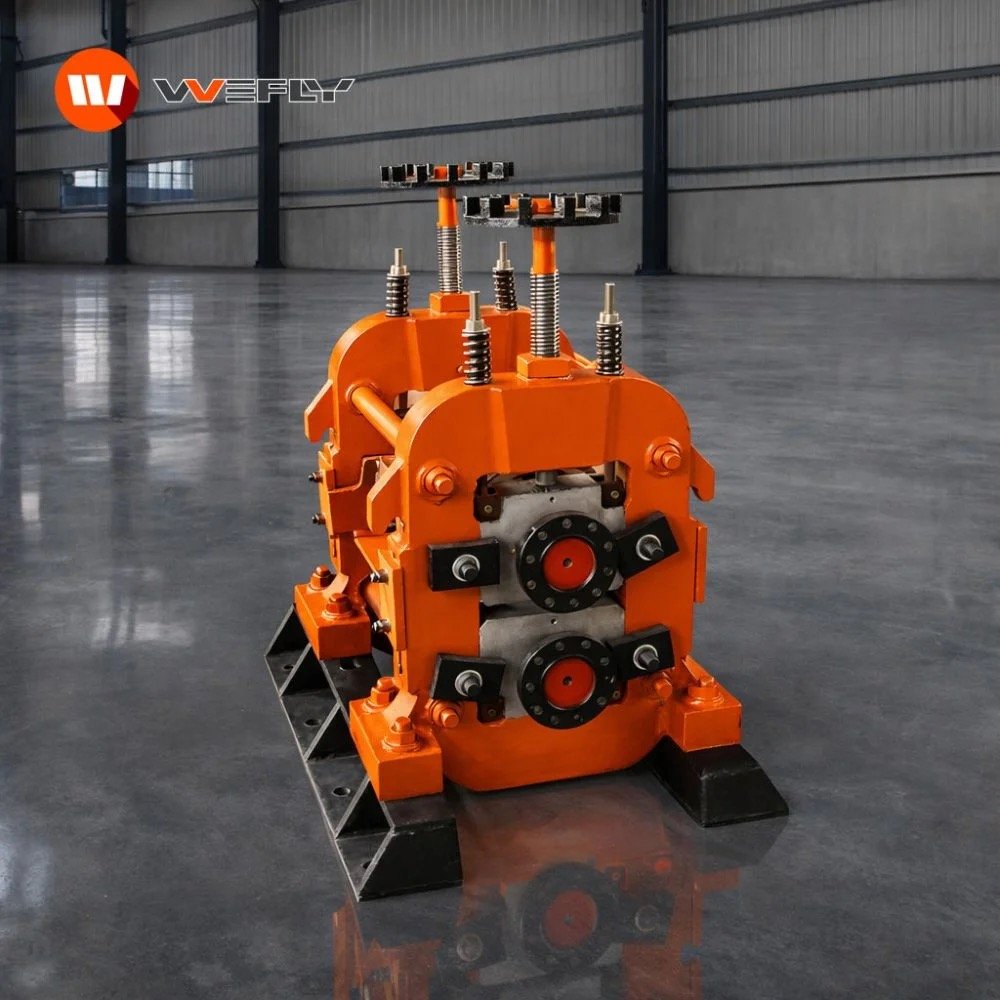
Hot Rolling Steel Rebar Production Line for Efficient Steel Manufacturing
A hot rolling steel rebar production line is a critical system used in modern steel manufacturing for producing rebars, steel rods, angle steel, and structural steel products. With increasing global demand for construction steel materials, efficient rolling mill technology has become essential for improving productivity, product quality, and operational stability.
Compared with traditional steel processing methods, modern automatic rolling mills offer continuous operation, better dimensional accuracy, reduced labor intensity, and lower energy consumption. These advantages make hot rolling production lines widely used in steel plants, infrastructure projects, and industrial metal processing factories.
WOLFU provides a professional hot rolling steel rebar production line designed for high-efficiency steel bar manufacturing and stable industrial production. :contentReference[oaicite:0]{index=0}
What Is a Hot Rolling Steel Rebar Production Line?
A hot rolling steel rebar production line is an industrial system that processes heated steel billets into finished steel bars, rebars, wire rods, angle steel, flat steel, and other structural steel products through continuous rolling operations.
The production line usually includes billet heating equipment, rolling mill stands, cooling systems, cutting equipment, conveying systems, and automated electrical controls. During operation, steel billets are heated to high temperatures and passed through multiple rolling stands to gradually reduce thickness and shape the final product. :contentReference[oaicite:1]{index=1}
Modern rebar rolling lines can support automatic operation, high production continuity, and stable dimensional control for industrial steel manufacturing applications.
Product Overview: WOLFU Hot Rolling Steel Rebar Production Line
The WOLFU hot rolling steel rolling mill production line is designed for manufacturing rebars, steel rods, angle steel, and section bars with automatic operation and continuous rolling technology. According to WOLFU product specifications, the system supports product diameters from 6.5mm to 32mm and annual productivity ranging from 1,000 to 150,000 tons. :contentReference[oaicite:2]{index=2}
The rolling mill adopts nodular infinite cold hard steel rollers with hardness up to 58 HRC, providing long service life and stable rolling performance during continuous production. The system can process steel billets or scrap materials into finished steel products suitable for construction, infrastructure, and industrial manufacturing applications. :contentReference[oaicite:3]{index=3}
With automatic control support and continuous casting integration, the production line helps improve production efficiency while reducing energy consumption and operational costs.
How the Hot Rolling Process Works
Billet Heating
Steel billets are heated in a reheating furnace to temperatures above the recrystallization point. This softens the steel and prepares it for deformation during rolling. :contentReference[oaicite:4]{index=4}
Continuous Rolling
The heated billet enters the rolling mill stands, where rollers apply pressure to reduce thickness and shape the steel into rebars or other profiles. Multiple rolling passes gradually achieve the required dimensions and mechanical properties. :contentReference[oaicite:5]{index=5}
Cooling and Straightening
After rolling, the steel products pass through cooling systems such as cooling beds or water sprays. Controlled cooling improves metallurgical properties and dimensional stability.
Cutting and Packaging
The finished rebar or steel rod is cut to required lengths, bundled, weighed, and prepared for transport or downstream processing.
Main Advantages of Hot Rolling Rebar Production Lines
High Production Efficiency
Continuous rolling technology supports high-volume steel manufacturing with reduced production interruptions.
Lower Energy Consumption
By utilizing residual metallurgical heat from continuous casting billets, rolling lines can reduce overall energy consumption significantly. :contentReference[oaicite:6]{index=6}
Stable Product Quality
Automatic control systems help maintain consistent product dimensions and improve rolling precision.
Wide Product Range
The production line can manufacture rebars, wire rods, angle steel, flat bars, channel steel, and related structural steel products.
Reduced Labor Intensity
Automation improves operational efficiency and reduces manual handling during production.
Applications of Rebar Rolling Production Lines
- Construction Steel Manufacturing: Producing rebars for reinforced concrete structures
- Infrastructure Projects: Manufacturing steel products for bridges, highways, and railways
- Industrial Steel Plants: Continuous rolling and steel profile production
- Metal Processing Factories: Producing rods, bars, and structural steel products
- Steel Recycling Operations: Converting scrap steel into reusable construction materials
Why Choose WOLFU Hot Rolling Steel Rebar Production Line?
WOLFU’s hot rolling steel rebar production line combines continuous rolling technology, automatic control, and durable rolling components to support long-term industrial production.
The system is suitable for steel plants that require stable operation, high productivity, and efficient steel bar manufacturing for construction and infrastructure applications.
WOLFU also provides related steel production and melting solutions, including:
For more technical articles and steel industry insights, visit the WOLFU Industry Blog.
How to Choose the Right Steel Rolling Production Line
Production Capacity
The required annual output and hourly production rate should determine the rolling mill configuration and number of rolling stands.
Product Specifications
Factories should confirm the required rebar diameters, steel grades, and final product types before selecting equipment.
Automation Level
Automatic control systems improve consistency, reduce labor costs, and support continuous production.
Energy Efficiency
Energy-saving rolling technology can significantly reduce operating costs in long-term industrial production.
Maintenance and Durability
Durable rollers, stable bearings, and accessible maintenance design help reduce downtime and extend equipment life.
Industry Development Trends
The global steel industry continues moving toward higher automation, energy efficiency, and intelligent process control. Research on automated hot rolling systems highlights the importance of precise rolling speed control, thickness monitoring, and integrated mechatronics for improving productivity and product consistency. :contentReference[oaicite:7]{index=7}
For modern steel plants, advanced hot rolling production lines can help reduce waste, improve product quality, and strengthen competitiveness in infrastructure and construction markets.
Conclusion
A hot rolling steel rebar production line is an essential solution for efficient steel bar manufacturing, continuous rolling production, and modern industrial metal processing.
With automatic operation, durable rolling systems, and energy-saving technology, modern rolling mills help steel plants improve production efficiency while maintaining stable product quality.
If your business is planning to upgrade steel rolling capabilities or expand rebar manufacturing capacity, WOLFU provides reliable industrial production line solutions designed for long-term industrial use.
Explore WOLFU Hot Rolling Steel Rebar Production Line and Request a Quote
FAQ
What products can a hot rolling steel rebar production line manufacture?
The production line can produce rebars, steel rods, wire rods, angle steel, flat bars, channel steel, and other structural steel products.
What raw materials are used in a steel rolling mill?
Steel billets and scrap steel are commonly used as raw materials for hot rolling production lines.
What are the advantages of automatic rolling mills?
Automatic rolling mills improve production efficiency, reduce labor intensity, enhance dimensional accuracy, and support continuous industrial operation.