
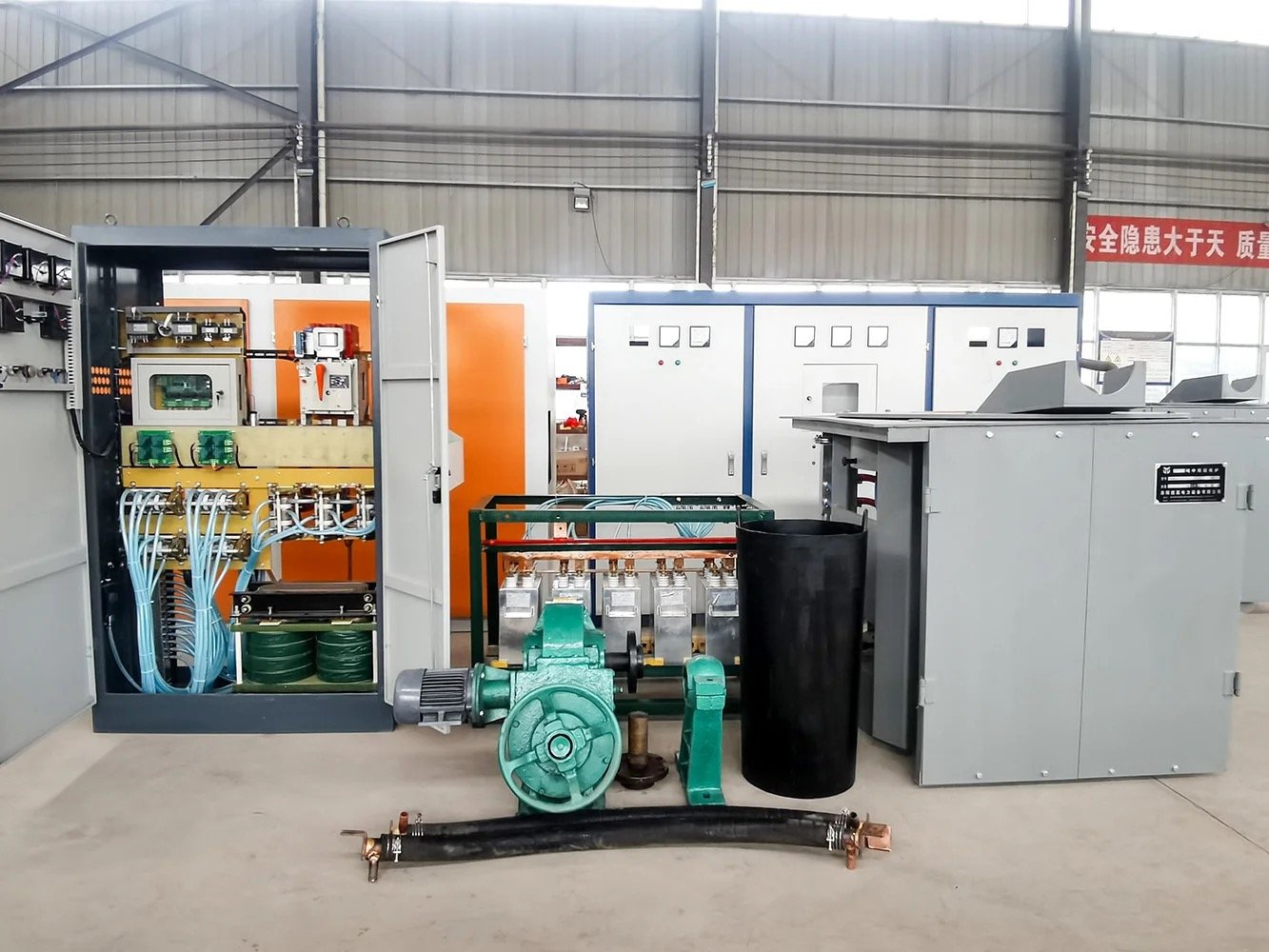
2 Ton Medium Frequency Induction Furnace for Metal Melting
A 2 Ton Medium Frequency Induction Furnace is a practical industrial melting solution for foundries, metal recycling plants, casting workshops, and aluminum or steel processing businesses that need fast melting, stable output, and controllable production.
Compared with traditional fuel-fired melting methods, medium frequency induction heating uses electromagnetic energy to heat metal directly. This helps improve melting efficiency, reduce unnecessary heat loss, and create a cleaner working environment.
For companies that process aluminum, steel, alloy metals, and recycled metal materials, choosing the right furnace can directly affect production speed, energy consumption, casting quality, and long-term operating cost.
WOLFU provides a professional 2 Ton Medium Frequency Induction Furnace for Aluminum & Steel Metal Melting, designed for industrial metal melting applications with PLC intelligent control, SCR thyristor power modules, and a durable steel shell furnace structure.
What Is a 2 Ton Medium Frequency Induction Furnace?
A 2 ton medium frequency induction furnace is an electric melting furnace that uses medium frequency electromagnetic induction to melt metal materials. The “2 ton” capacity means the furnace is designed to process approximately 2 tons of metal per batch, depending on material type and operating conditions.
The system usually includes the induction power supply, furnace body, induction coil, steel shell structure, hydraulic tilting system, cooling system, control cabinet, and auxiliary components.
During operation, the induction coil generates an electromagnetic field. This field creates eddy currents inside the metal charge, causing the metal itself to heat and melt. Because heat is generated inside the material, induction melting can be fast, efficient, and easier to control.
This type of furnace is widely used in industrial foundries, metal recycling facilities, aluminum casting production lines, steel melting workshops, and alloy production plants.
Why Medium Frequency Induction Melting Is Widely Used
Medium frequency induction melting is popular because it provides a strong balance between melting speed, energy efficiency, temperature control, and production flexibility.
For foundries, stable melting is important because molten metal quality affects casting results. If the temperature is unstable or the melting process is uneven, the final casting may have defects, poor structure, or inconsistent performance.
For recycling plants, induction furnaces are useful because they can melt recycled metal materials quickly and convert scrap into reusable molten metal for casting, ingot production, or further processing.
The U.S. Department of Energy notes that process heating is one of the most energy-intensive operations in manufacturing, which makes efficient heating technology important for industrial production.
External reference: U.S. Department of Energy – Process Heating
For businesses trying to reduce energy waste and improve production control, a medium frequency induction furnace can be a valuable upgrade from older or less efficient melting equipment.
WOLFU 2 Ton Medium Frequency Induction Furnace
The WOLFU 2 Ton Medium Frequency Induction Furnace is designed for efficient melting of aluminum, steel, and alloy metals. It uses advanced electromagnetic induction heating technology to provide fast melting speed, stable power output, and low energy consumption.
This furnace is suitable for industrial foundries, metal recycling plants, aluminum casting production lines, steel melting workshops, and other production environments that require stable molten metal output.
The system is equipped with an 800 KVA transformer capacity and PLC intelligent control system. These features help support reliable operation and more accurate process control during melting and pouring.
For companies that need a more flexible furnace for different metal types, WOLFU also provides the Medium Frequency Induction Melting Furnace for Gold, Silver, Copper, Steel and Aluminum.
For production lines that require stable cooling performance, WOLFU also offers the Closed Water Cooling Tower 10T for Industrial Cooling Systems, which can support induction furnace cooling and other industrial equipment cooling needs.
Technical Specifications
| Parameter | Specification |
|---|---|
| Product Name | 2 Ton Medium Frequency Induction Furnace |
| Application | Metal Melting Furnace |
| Melting Material | Aluminum, Steel, Alloy Metals |
| Furnace Type | Medium Frequency Induction Furnace |
| Capacity | 2 Ton |
| Input Voltage | 380V |
| Transformer Capacity | 800 KVA |
| Melting Time | Approximately 60 Minutes |
| Power Consumption | 650 KWH Per Ton |
| Core Components | PLC, Thyristor, Capacitor |
| Copper Material Brand | Chinalco Luoyang Copper Co., Ltd |
| SCR Thyristor Brand | Tech Semiconductors |
| Weight | 10 Tons |
| Certification | ISO9001, CE |
| After Warranty Service | Video Technical Support, Online Support |
| Local Service Location | Vietnam, Indonesia |
| Place of Origin | Henan, China |
| Brand | WOLFU |
Main Features of the WOLFU Induction Furnace
The WOLFU 2 ton furnace is built for industrial production, not small laboratory melting. Its design focuses on capacity, stability, durability, energy efficiency, and operator control.
Advanced Medium Frequency Induction Heating
The furnace uses medium frequency electromagnetic induction heating technology to heat metal quickly and evenly. This helps reduce melting time and supports stable molten metal quality.
Because the heat is generated directly inside the metal charge, the system can improve thermal efficiency compared with some traditional heating methods.
2 Ton Industrial Melting Capacity
The 2 ton capacity makes this furnace suitable for medium-scale industrial production. It can support foundries, recycling plants, and casting workshops that need higher output than small crucible furnaces.
For companies melting aluminum, steel, or alloy metals regularly, a 2 ton furnace can improve batch productivity and reduce the number of repeated melting cycles.
PLC Intelligent Control System
The PLC intelligent control system helps operators manage furnace operation more accurately. It supports better monitoring and control of key production parameters during the melting process.
This is useful for factories that need consistent production results and want to reduce human error during high-temperature metal processing.
Stable SCR Thyristor Power Module
The SCR thyristor power module helps provide stable power output during operation. Stable power is important because metal melting requires reliable energy input throughout the process.
When the power supply is stable, the furnace can maintain better melting performance and reduce unnecessary production interruptions.
Durable Steel Shell Furnace Structure
The furnace uses a steel shell structure designed for industrial use. A strong furnace body helps support long-term operation, hydraulic tilting, and repeated high-temperature production cycles.
Durability matters because induction furnaces often work under demanding conditions, including high heat, heavy loads, vibration, and continuous production pressure.
Steel Shell Induction Furnace Structure
The steel shell induction furnace structure includes the furnace body, furnace frame, furnace cover, tilting hydraulic cylinder, dust protection cover, inductor, yoke frame, and hydraulic system.
The system is also equipped with stainless steel water inlet distributors, return water collectors, and high-pressure rubber hoses to ensure reliable cooling performance.
The hydraulic tilting system is especially important during pouring and casting. It allows operators to tilt the furnace body and discharge molten metal in a controlled way.
All hydraulic cylinders are designed for hydraulic oil operation with reliable sealing systems. This helps improve safety and stability during furnace tilting and molten metal pouring.
Applications of a 2 Ton Medium Frequency Induction Furnace
A 2 ton medium frequency induction furnace can be used in many metal melting and casting scenarios. It is especially suitable for businesses that need medium to high production capacity.
Common applications include:
- Aluminum melting
- Steel melting
- Alloy metal melting
- Metal casting industry
- Industrial foundries
- Scrap metal recycling plants
- Aluminum casting production lines
- Machinery parts casting workshops
For aluminum recycling plants, the furnace can melt scrap aluminum and prepare molten metal for ingot casting, rod casting, or further forming. For steel foundries, it can support molten steel preparation for casting parts and components.
For businesses working with different metal materials, the furnace provides flexible production value because it can process aluminum, steel, and alloy metals according to the correct furnace configuration and operating process.
How the Melting Process Works
The melting process starts with material preparation. Operators should sort the metal charge, remove unsuitable contaminants, and prepare the correct batch weight before loading the furnace.
After feeding, the induction system starts generating electromagnetic energy. The metal inside the furnace heats up quickly due to induced current and resistance heating.
As the metal reaches melting temperature, operators monitor the process through the control system. Temperature, power, melting condition, and furnace safety status should be checked carefully.
Once the material becomes fully molten, slag or impurities may need to be removed depending on the metal type and production requirement.
Finally, the hydraulic tilting system helps pour the molten metal into molds, casting machines, ingot lines, or other downstream production equipment.
Benefits for Foundries and Recycling Plants
For foundries and recycling plants, furnace performance directly affects production efficiency and product quality. A stable induction furnace can help improve output while reducing operational problems.
Fast Melting Speed
The WOLFU 2 ton furnace has an approximate melting time of 60 minutes, depending on material type and operating conditions. Faster melting can help improve production turnover and reduce waiting time between batches.
Lower Energy Waste
Induction heating transfers energy directly into the metal charge. This helps reduce unnecessary heat loss and supports more efficient metal melting.
Cleaner Workshop Environment
Compared with combustion-based melting systems, induction furnaces do not require direct flame heating. This can help create a cleaner and more controllable workshop environment.
Better Temperature Control
Accurate control is important for aluminum, steel, and alloy melting. Better temperature control can help reduce overheating, improve metal quality, and support more consistent casting results.
Suitable for Continuous Production
The 2 ton capacity, durable structure, and industrial control system make this furnace suitable for continuous production environments where reliability is important.
Important Safety Considerations
Metal melting is a high-temperature industrial process, so safety must be considered during equipment selection, installation, and operation.
Operators should receive proper training before using the furnace. They should understand feeding procedures, melting operation, hydraulic tilting, emergency shutdown, cooling system inspection, and molten metal handling.
Personal protective equipment is necessary. Workers should use heat-resistant gloves, face shields, safety helmets, protective clothing, and suitable footwear when working near molten metal.
The cooling system must be checked before operation. Induction coils, power modules, cables, and furnace components require reliable cooling to prevent overheating.
Workshop ventilation and dust control should also be considered. Even electric induction melting can produce heat, dust, fumes, and slag depending on the raw material and production process.
How to Choose the Right Induction Furnace
Before purchasing a medium frequency induction furnace, customers should review their production requirements carefully.
The first factor is melting material. Aluminum, steel, copper, and alloy metals may require different furnace lining, power configuration, melting temperature, and operating process.
The second factor is production capacity. A 2 ton furnace is suitable for customers who need industrial batch production, but smaller or larger models may be better depending on output demand.
The third factor is power supply. Customers should confirm local voltage, transformer capacity, electrical installation conditions, and workshop power stability before installation.
The fourth factor is cooling system. A reliable cooling tower or closed cooling system is important for long-term induction furnace operation.
The fifth factor is after-sales support. Industrial furnaces require technical guidance, spare parts support, and operation training. A reliable supplier should provide support before and after delivery.
Why Choose WOLFU?
WOLFU is a professional manufacturer of recycling and metal processing equipment. The company provides complete industrial solutions including metal melting furnaces, battery recycling lines, aluminum casting systems, and supporting equipment.
For international customers, WOLFU can provide equipment selection advice, configuration recommendations, technical support, and customized solutions according to production needs.
The WOLFU 2 ton medium frequency induction furnace is designed for stable industrial performance. With 2 ton melting capacity, PLC intelligent control, SCR thyristor modules, steel shell structure, and hydraulic tilting system, it provides a practical solution for aluminum, steel, and alloy metal melting.
Customers who want to build a complete casting or recycling production line can also combine the furnace with cooling systems, casting machines, material handling equipment, and other supporting equipment from WOLFU.
You can also read this related WOLFU blog for more induction furnace reference: Why a Medium Frequency Induction Melting Furnace Is a Smart Choice for Modern Metal Casting.
Conclusion
A 2 Ton Medium Frequency Induction Furnace is a strong choice for foundries, recycling plants, aluminum casting lines, and steel melting workshops that need efficient, stable, and controllable metal melting.
With medium frequency induction heating, PLC intelligent control, SCR thyristor power modules, and durable steel shell structure, the WOLFU furnace is designed for industrial metal melting applications.
For companies working with aluminum, steel, and alloy metals, investing in the right furnace can improve melting speed, production consistency, energy efficiency, and long-term operating value.
Contact WOLFU to get a customized solution and quotation:
Request a Quote for the WOLFU 2 Ton Medium Frequency Induction Furnace
Frequently Asked Questions
What metals can the WOLFU 2 ton medium frequency induction furnace melt?
The furnace is suitable for melting aluminum, steel, and alloy metals. It can be used in foundries, metal recycling plants, and casting production lines.
What is the melting capacity of this furnace?
The furnace has a 2 ton melting capacity, making it suitable for industrial batch production and medium-scale metal melting operations.
How long does the melting process take?
The typical melting time is approximately 60 minutes, depending on material type, furnace condition, charge size, and operating requirements.
What control system does the furnace use?
The furnace uses a PLC intelligent control system and SCR thyristor power module to support stable operation and accurate process control.