
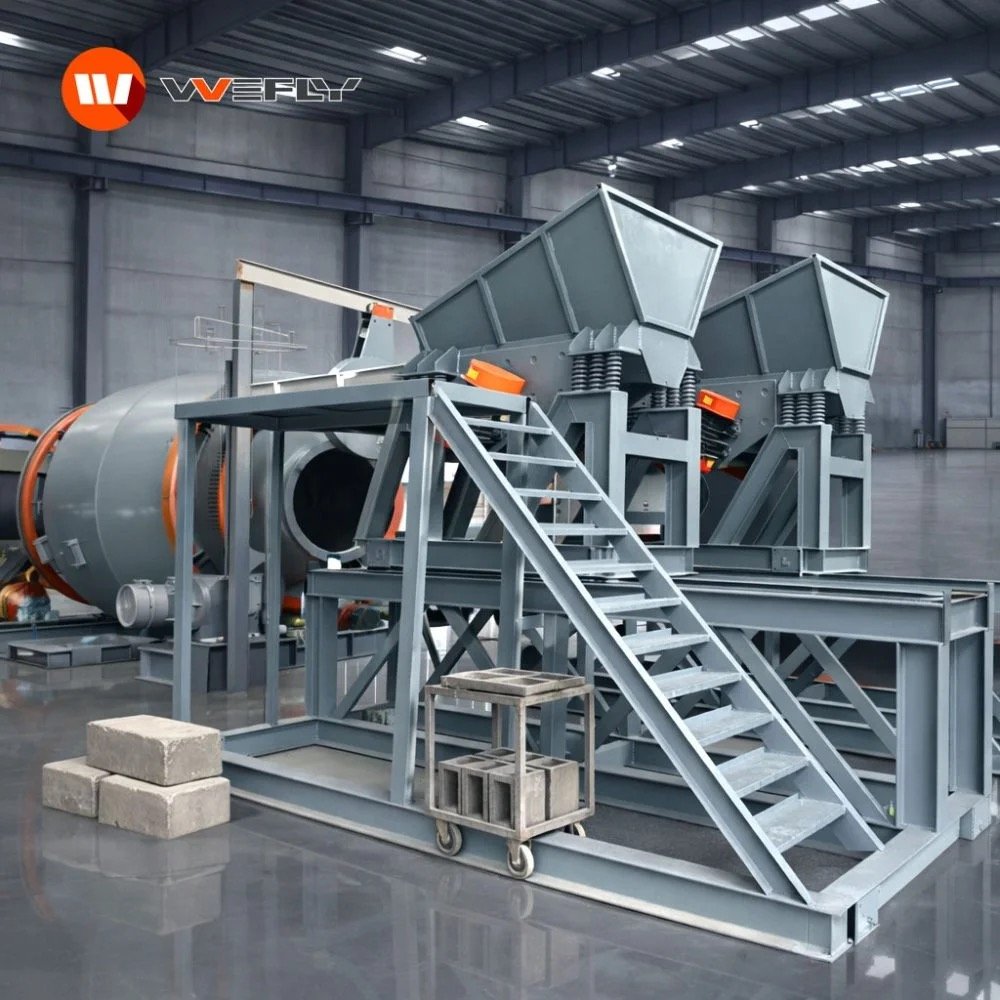
Lead Acid Battery Recycling Line for Efficient Recovery
A Lead Acid Battery Recycling Line is an important industrial solution for companies that process waste batteries and recover reusable materials from them. Lead-acid batteries are widely used in cars, trucks, electric bicycles, forklifts, backup power systems, and industrial equipment.
When these batteries reach the end of their service life, they should not be handled like ordinary waste. They contain valuable lead, plastic battery shells, and electrolyte materials that require proper treatment. A professional recycling line helps separate these materials safely and efficiently.
For recycling companies, scrap yards, battery processing plants, and environmental recycling projects, the right equipment can improve recovery value while reducing manual handling and pollution risks.
WOLFU provides a complete Lead Acid Battery Recycling Line designed for battery cutting, dismantling, crushing, material separation, lead recovery, and plastic shell recovery.
What Is a Lead Acid Battery Recycling Line?
A lead acid battery recycling line is a mechanical processing system used to break down waste lead-acid batteries and separate their reusable components. Instead of relying on manual dismantling only, the system uses industrial equipment to improve efficiency, safety, and processing consistency.
The complete recycling process usually includes battery cover removing, cutting, dismantling, crushing, separation, and material recovery. After processing, the main recovered materials are lead and plastic battery casings.
Recovered lead can be further refined and reused in battery manufacturing or other industrial applications. Recovered plastic shells can also be cleaned and recycled, depending on the customer’s production requirements.
This type of recycling line is especially suitable for businesses that process automotive batteries, truck batteries, electric bicycle batteries, industrial lead batteries, and other lead-acid battery waste.
Why Lead Acid Battery Recycling Matters
Lead-acid batteries contain materials that are both valuable and potentially harmful if handled incorrectly. Lead is a reusable metal, but it must be recovered through a controlled process. Battery acid also needs proper neutralization or treatment to reduce environmental impact.
Without a professional recycling process, waste batteries may cause soil, water, and workplace contamination. For this reason, many countries and regions place strong emphasis on safe battery collection, recycling, and material recovery.
The U.S. Environmental Protection Agency explains that batteries can contain heavy metals and other materials that require careful management, and recycling helps recover valuable materials while reducing environmental risks.
External reference: EPA Used Household Batteries and Recycling Guidance
For recycling businesses, a lead battery recycling plant is not only an environmental investment. It is also a material recovery solution. By separating lead and plastic efficiently, companies can create reusable resources from waste batteries.
WOLFU Lead Acid Battery Recycling Line
The WOLFU Lead Acid Battery Recycling Line is designed for efficient processing and recovery of valuable materials from waste lead-acid batteries.
The system integrates battery cutting, dismantling, crushing, separation, and purification technologies. It is suitable for processing a wide range of lead-acid batteries, including automotive batteries, truck batteries, electric bicycle batteries, and industrial lead batteries.
By adopting a safer and more environmentally friendly recycling process, the system helps reduce pollution risks while providing a reliable way to recover reusable lead resources and plastic materials.
For companies that also need equipment for metal processing after material recovery, WOLFU offers related equipment such as the Medium Frequency Induction Melting Furnace, which can be used for industrial metal melting applications.
WOLFU also provides auxiliary equipment such as the Closed Water Cooling Tower, which supports cooling requirements for different industrial equipment and production systems.
Raw Materials This Recycling Line Can Process
The WOLFU lead-acid battery recycling system can process different types of waste lead-acid batteries commonly found in transportation, industrial, and energy storage applications.
Applicable raw materials include:
- Automotive lead-acid batteries
- Truck batteries
- Electric bicycle batteries
- Industrial lead batteries
- Other lead-acid battery waste
This makes the system useful for recycling plants that receive mixed battery materials from different collection sources. With proper configuration, the equipment can support stable processing for different battery sizes and recycling requirements.
Main Recovered Materials
After processing, the lead acid battery recycling line mainly produces two valuable recovered materials: lead and plastic battery shells.
Lead is the most important recovered material in the process. It can be refined and reused for new battery production or other industrial uses. Since lead-acid batteries contain a high percentage of recyclable lead, efficient lead recovery is a key reason why this recycling process has strong commercial value.
Plastic battery shells are another recoverable material. After separation, crushing, and optional cleaning, the plastic can be prepared for further recycling or resale, depending on local processing standards and customer requirements.
By recovering both lead and plastic, the recycling line helps reduce waste volume and improves the economic value of battery recycling operations.
How the Lead Acid Battery Recycling Process Works
The recycling process is designed to separate battery components step by step. Each stage has a clear function, from opening the battery to recovering final materials.
Battery Cutting
The first stage is battery cutting. The battery cover or body is opened so the inner materials can be processed further. This step helps prepare the battery for dismantling and separation.
Dismantling
After cutting, the battery is dismantled to separate internal components. Lead plates, plastic shells, and other parts are prepared for the next processing stage.
Crushing
The crushing system breaks down battery shells and related materials into smaller pieces. This improves the efficiency of the separation process and makes the material easier to classify.
Material Separation
During separation, lead components and plastic components are divided into different material streams. Proper separation is important because it directly affects the quality and value of the recovered products.
Lead Recovery
Lead materials are collected for further refining or reuse. This step is the core value of the recycling line because lead is the primary recoverable resource in waste lead-acid batteries.
Plastic Shell Recovery
Plastic battery shells are recovered after crushing and separation. If required, an optional plastic cleaning system can be added to improve the cleanliness of the recovered plastic materials.
Technical Parameters
| Item | Specification |
|---|---|
| Equipment Name | Lead Acid Battery Recycling Line |
| Raw Material | Waste Lead Acid Battery |
| Processing Materials | Car batteries, truck batteries, electric bicycle batteries, industrial lead batteries |
| Main Process | Battery cutting, dismantling, crushing, separation, lead recovery |
| Recovered Products | Lead and plastic battery shells |
| Feeding Port | Single feeding port, customizable |
| Operators Required | Normally 2 workers |
| Working Voltage | 380V ±10%; 415V / 440V optional |
| Battery Cover Remover Dimension | 2.2 × 2.0 × 1.3 m |
| Lead Separator Dimension | 1.8 × 1.7 × 1.6 m |
| Optional Configuration | Stainless steel machine body, custom equipment size, plastic cleaning and crushing system |
Main Applications
The WOLFU lead acid battery recycling line is suitable for businesses and industrial projects that need to process waste batteries in a controlled and efficient way.
Common applications include:
- Lead battery recycling plants
- Scrap metal recycling facilities
- Electronic waste recycling industries
- Battery processing factories
- Environmental recycling projects
- Industrial waste recovery companies
For customers already working in scrap metal recycling, adding a battery recycling line can expand the range of materials they can process. It can also help improve material recovery value and business competitiveness.
Advantages of Using a Complete Recycling Line
A complete lead acid battery recycling line offers several advantages compared with manual processing or separated single machines.
Higher Processing Efficiency
The system connects cutting, dismantling, crushing, separation, and recovery into a more organized workflow. This reduces unnecessary material handling and helps improve overall production efficiency.
Better Material Separation
Mechanical separation improves the quality of recovered lead and plastic materials. Better separation can also make downstream refining or plastic recycling easier.
Reduced Manual Labor
Battery recycling can be labor-intensive if handled manually. A complete recycling line reduces repeated manual operation and allows workers to focus more on feeding, monitoring, and maintenance.
Safer Operation
Waste batteries contain lead and acid materials, so safety is important. A properly designed recycling line helps control the process and reduce direct contact with hazardous materials.
Customizable Configuration
Different customers may process different battery sizes, production volumes, and material types. WOLFU can provide customized equipment size, feeding design, optional plastic cleaning system, and stainless steel machine body according to project needs.
Environmental and Safety Considerations
Lead-acid battery recycling must be handled carefully because the materials can affect the environment and worker safety if not properly controlled.
Battery acid should be neutralized or treated according to local environmental regulations. Lead-containing dust, wastewater, and other byproducts should also be managed through proper plant design and pollution control systems.
Operators should use personal protective equipment, including gloves, goggles, protective clothing, and suitable masks or respirators when required by the working environment.
Ventilation, dust collection, and wastewater treatment should be considered when designing the recycling workshop. The final plant layout should follow local safety and environmental requirements.
A professional recycling line does not replace legal compliance, but it gives the customer a more structured equipment foundation for safer battery processing.
How to Choose the Right Lead Battery Recycling Plant
Before investing in a lead battery recycling plant, customers should confirm several key project details.
The first factor is raw material type. Different batteries may have different sizes, casing structures, and processing requirements. Automotive batteries, truck batteries, and industrial batteries may require different equipment configurations.
The second factor is processing capacity. A small recycling business may need a compact system, while a larger plant may need higher automation and a more complete production line.
The third factor is final product requirement. If the customer only needs basic lead and plastic separation, the configuration may be simpler. If cleaner plastic output is required, an optional plastic cleaning system may be useful.
The fourth factor is plant layout. Customers should consider feeding area, equipment installation space, maintenance access, acid treatment area, material storage, and final product packaging.
The fifth factor is after-sales support. Battery recycling equipment requires correct operation, regular maintenance, and technical support. A reliable supplier should provide guidance before and after delivery.
Why Choose WOLFU?
WOLFU is a professional manufacturer of recycling and metal processing equipment. The company provides complete industrial solutions including battery recycling lines, metal melting furnaces, aluminum casting systems, and supporting equipment.
For overseas customers, WOLFU can help with project planning, equipment selection, layout recommendations, operation guidance, and technical service. This is useful for buyers who need more than a single machine and want a complete recycling solution.
The WOLFU lead acid battery recycling line is designed with durable industrial materials to support long-term operation. Optional configurations are available for different battery types, production requirements, and plant layouts.
If you are building or upgrading a battery recycling plant, WOLFU can recommend a suitable configuration based on your raw materials, target capacity, voltage requirements, and final recovered product needs.
You can also read this related WOLFU blog for more recycling equipment reference: Solar Panel Frame Removing Machine Working Process.
Conclusion
A Lead Acid Battery Recycling Line is a practical solution for recovering valuable lead and plastic materials from waste batteries. It helps recycling companies improve efficiency, reduce manual labor, and process battery waste in a more controlled way.
From battery cutting and dismantling to crushing, separation, and lead recovery, a complete recycling line creates a clear production process for battery recycling businesses.
For companies handling automotive batteries, truck batteries, electric bicycle batteries, industrial lead batteries, and other lead-acid battery waste, WOLFU provides a reliable equipment solution with customization options and technical support.
Contact WOLFU to get a customized solution and quotation:
Request a Quote for the WOLFU Lead Acid Battery Recycling Line
Frequently Asked Questions
What batteries can the WOLFU lead acid battery recycling line process?
The system can process automotive batteries, truck batteries, electric bicycle batteries, industrial lead batteries, and other waste lead-acid batteries.
What materials can be recovered from waste lead-acid batteries?
The main recovered materials are lead and plastic battery shells. Recovered lead can be refined and reused for new battery manufacturing or other industrial applications.
How many operators are required?
Normally, the WOLFU lead acid battery recycling line requires about two workers for operation, depending on the actual plant layout and production configuration.
Can the equipment be customized?
Yes. WOLFU can customize the equipment size, feeding design, stainless steel machine body, and optional plastic cleaning and crushing system according to customer requirements.
1 comment on “Lead Acid Battery Recycling Line for Efficient Recovery”