
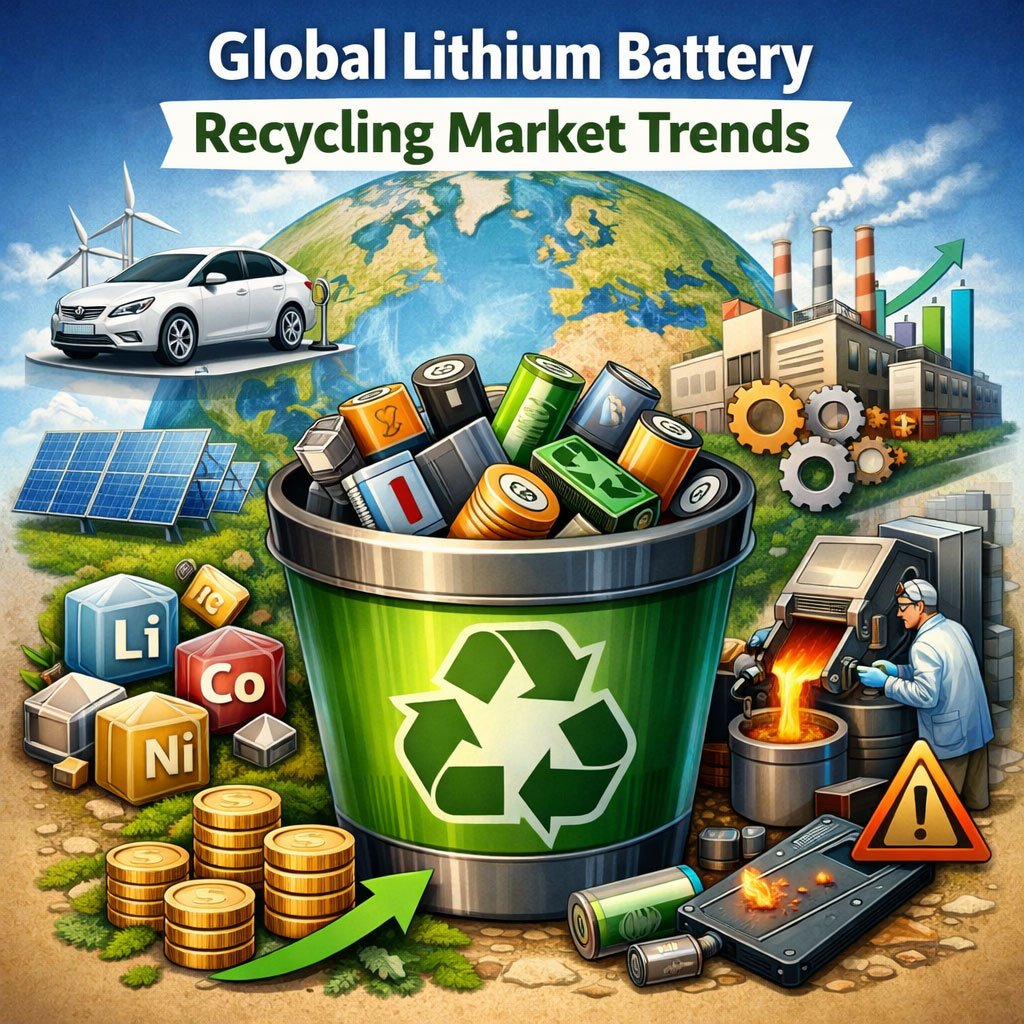
Global Lithium Battery Recycling Market Trends
With the rapid growth of electric vehicles (EVs), consumer electronics, and renewable energy storage systems, lithium-ion batteries have become essential to modern industry. As battery usage continues to expand, the recycling of lithium batteries has emerged as a critical global industry. Recycling not only helps recover valuable metals such as lithium, cobalt, and nickel, but also reduces environmental risks and strengthens the circular economy. This article explores the latest trends shaping the global lithium battery recycling market and what businesses should expect in the coming years.
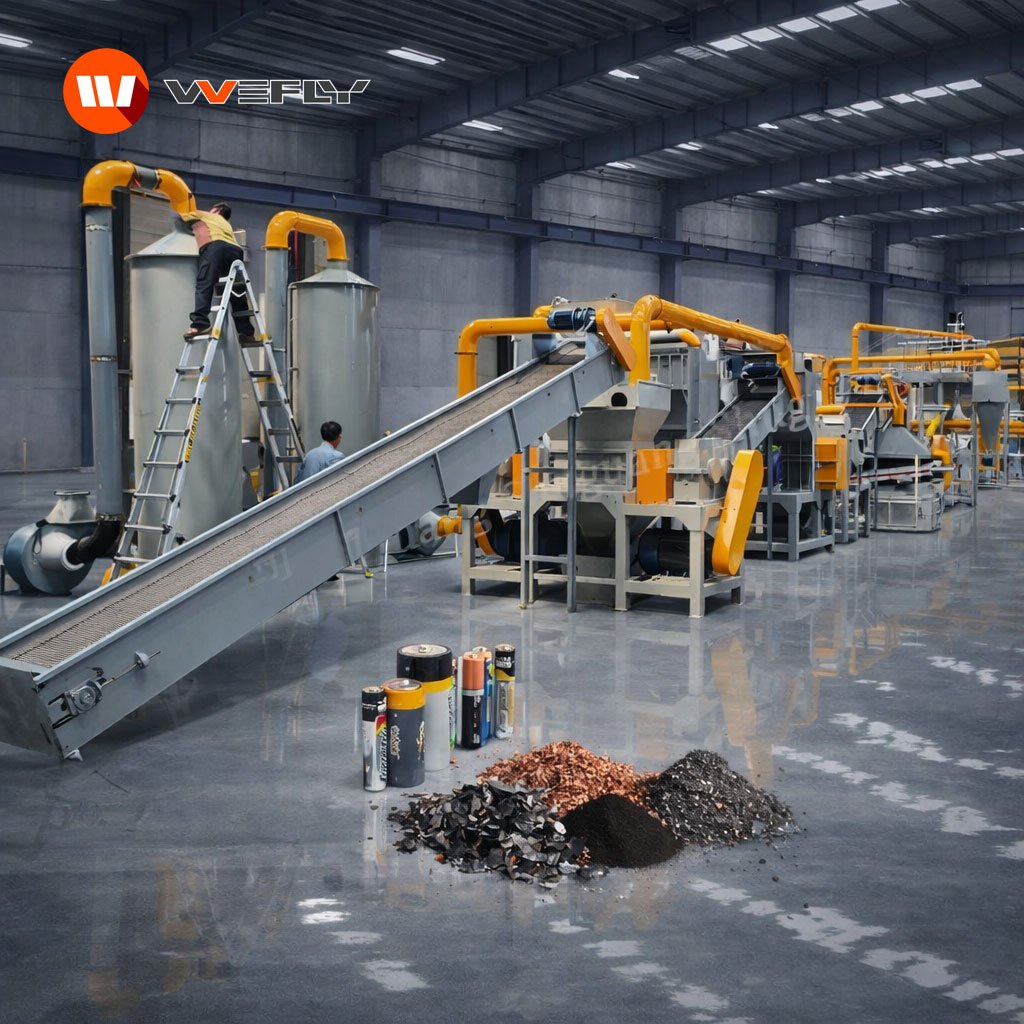
1. Rapid Growth of Electric Vehicles Driving Recycling Demand
The global adoption of electric vehicles is one of the main drivers of lithium battery recycling. According to industry reports, millions of EV batteries will reach their end-of-life in the next decade. These batteries contain high-value materials that can be recovered and reused in new battery production.
As governments worldwide push for carbon neutrality and sustainable transportation, EV production continues to increase rapidly. This surge creates a parallel need for large-scale battery recycling infrastructure capable of processing used batteries safely and efficiently.
2. Increasing Value of Critical Battery Materials
Lithium-ion batteries contain several strategic metals including lithium, cobalt, nickel, manganese, and copper. The rising cost and limited supply of these materials make recycling increasingly attractive. Recovering metals from spent batteries reduces dependence on mining and helps stabilize the global supply chain.
Recycling technologies today can recover up to 95% of valuable metals, making lithium battery recycling both environmentally beneficial and economically viable.
3. Government Regulations Accelerating Recycling Development
Governments around the world are introducing strict regulations to ensure proper battery disposal and recycling. The European Union Battery Regulation, for example, requires higher recycling efficiency and minimum levels of recycled materials in new batteries.
Similarly, countries such as the United States, China, Japan, and South Korea are implementing policies that support battery recycling infrastructure, encourage research into recycling technologies, and promote responsible waste management.
4. Advances in Lithium Battery Recycling Technologies
The lithium battery recycling industry is rapidly evolving with the development of advanced technologies. The three main recycling methods currently used include:
Pyrometallurgical Recycling
This process uses high-temperature smelting to recover metals from battery materials. It is widely used due to its ability to process mixed battery types, although it can require high energy consumption.
Hydrometallurgical Recycling
Hydrometallurgy uses chemical solutions to dissolve and recover valuable metals. This method allows higher recovery rates and lower energy consumption compared to traditional smelting.
Direct Recycling
An emerging technology known as direct recycling aims to preserve cathode materials for reuse without breaking them down into individual metals. This method has the potential to significantly reduce costs and energy consumption.
5. Growing Investment and Industry Expansion
Major investments are flowing into lithium battery recycling companies worldwide. Many new recycling facilities are being built to meet the expected surge in battery waste from EVs and energy storage systems.
Automotive manufacturers, battery producers, and recycling companies are forming partnerships to build closed-loop battery supply chains. These collaborations aim to recover valuable materials and reuse them in new battery production.
6. Challenges Facing the Recycling Industry
Despite rapid growth, several challenges remain in the lithium battery recycling sector. These include:
- High collection and transportation costs
- Complex battery designs that complicate disassembly
- Safety risks when handling damaged batteries
- Limited global recycling infrastructure
Addressing these challenges will require improved battery design, standardized recycling processes, and stronger international cooperation.
7. Future Outlook of the Lithium Battery Recycling Market
The future of lithium battery recycling looks extremely promising. Market analysts predict that the global lithium battery recycling industry will grow significantly over the next decade as EV adoption accelerates and sustainability regulations become stricter.
Technological innovation, government support, and increasing demand for critical materials will continue to drive market expansion. Companies that invest early in recycling technologies and infrastructure will likely gain a competitive advantage in the rapidly evolving battery supply chain.
Conclusion
Lithium battery recycling is becoming an essential component of the global energy transition. As the demand for lithium-ion batteries continues to rise, efficient recycling solutions will play a key role in securing raw materials, reducing environmental impact, and supporting a sustainable circular economy.
Businesses involved in battery production, electric vehicles, and metal recycling should closely monitor developments in this rapidly growing market and explore opportunities to participate in the lithium battery recycling ecosystem.