
Is Aluminum Can Recycling Profitable in 2026?
Yes — aluminum can recycling can still be profitable in 2026, but profitability depends on several factors such as scrap prices, equipment cost, energy, and collection efficiency. Here’s a clear breakdown of the economics and trends. 🔎
Is Aluminum Can Recycling Profitable in 2026?
1. Aluminum Scrap Prices Remain Strong
The profitability of aluminum can recycling largely depends on the price of scrap aluminum.
- Typical aluminum scrap price: $0.35 – $0.75 per pound depending on location and quality.
- In some markets prices average around $0.55–$0.80 per pound.
- Global primary aluminum prices have exceeded $3,200 per ton (~$1.45/lb) in early 2026.
Because aluminum cans are clean and easy to process, they often receive higher scrap prices than mixed aluminum.
👉 Example revenue:
- 1 ton aluminum cans ≈ $1,100 – $1,600
- 10 tons/day recycling line ≈ $11,000 – $16,000 raw scrap value
2. Recycling Aluminum Is Extremely Energy Efficient
One of the biggest reasons aluminum recycling is profitable is energy savings.
- Recycling aluminum uses 95% less energy than producing new aluminum from bauxite.
Lower energy consumption means:
- Lower production costs
- Higher margins for recyclers
- Strong demand from smelters and manufacturers
3. Profit Margins Can Be Very High
In many cases, aluminum can recycling has higher margins than other scrap metals.
- Profit margins for aluminum can recycling operations can reach up to 75% in some cases.
Typical revenue sources include:
1️⃣ Selling baled cans
2️⃣ Selling aluminum ingots
3️⃣ Selling shredded aluminum scrap
The value increases significantly if you melt cans into aluminum ingots.
Example:
| Product | Typical Value |
|---|---|
| Loose cans | $0.35–0.50/lb |
| Baled cans | $0.50–0.65/lb |
| Aluminum ingots | $0.90–1.30/lb |
4. Global Demand for Recycled Aluminum Is Growing
The aluminum recycling industry is expanding rapidly.
- The global aluminum recycling market is expected to grow significantly through 2030.
- Scrap aluminum demand is rising due to:
- Electric vehicles
- Construction
- Sustainable packaging
- Low-carbon manufacturing
This means recycled aluminum will likely remain valuable for years.
5. The Biggest Profit Drivers
Whether aluminum can recycling is profitable depends on these key factors:
Collection cost
- Efficient collection = higher margins.
Processing technology
Advanced equipment increases value:
- Aluminum can balers
- Eddy current separators
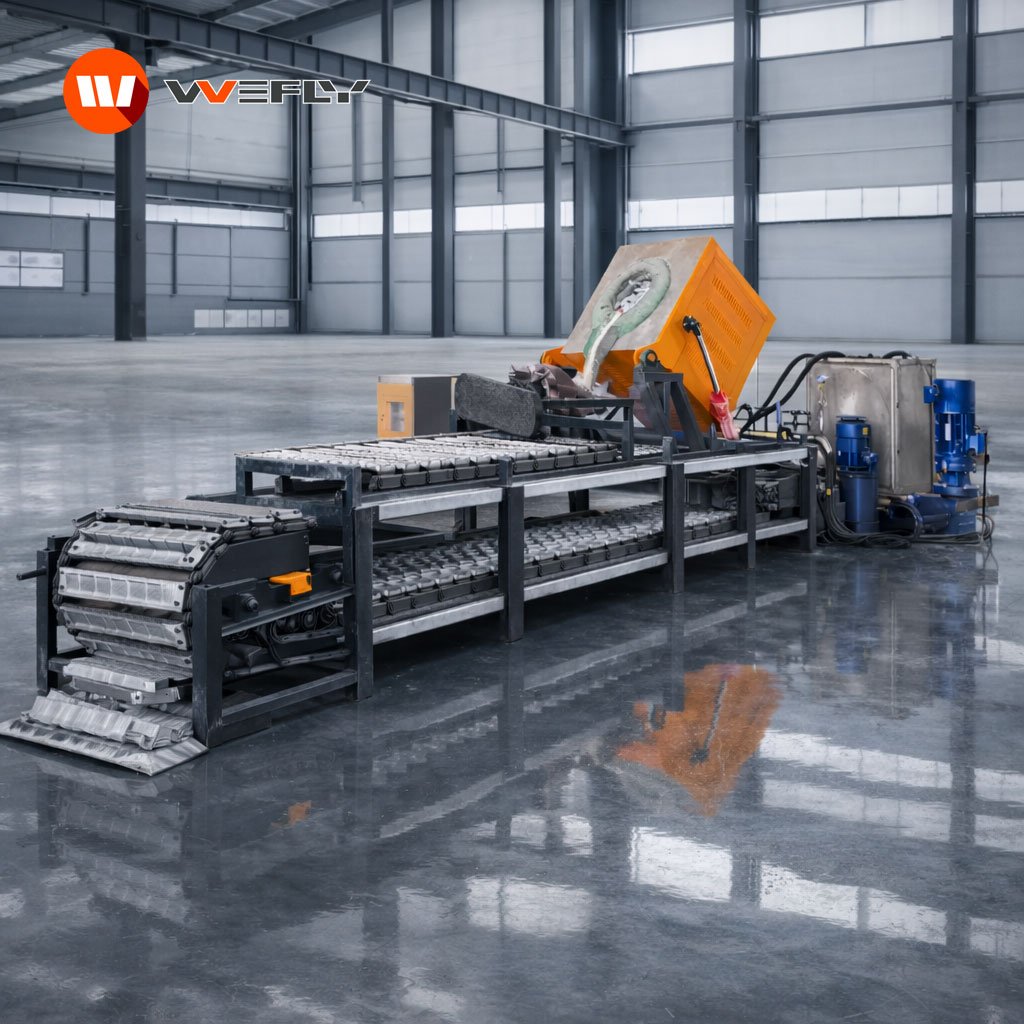
- Induction melting furnaces
- Aluminum ingot casting machines
Production scale
Large recycling plants achieve:
- Lower cost per ton
- Higher daily output
6. Example Profit Model (Small Recycling Plant)
Example: 5 tons/day aluminum can recycling line
Revenue (scrap sale):
- 5 tons × $1,200/ton ≈ $6,000/day
Estimated costs:
- Labor: $400
- Electricity: $300
- Transport: $500
- Misc: $300
Estimated profit:
👉 $3,500 – $4,000 per day
Final Verdict
✔ Yes — aluminum can recycling is still profitable in 2026.
Reasons:
- Stable scrap prices
- Huge energy savings
- Strong global demand
- High recycling efficiency
However, profitability depends heavily on scale, equipment efficiency, and supply of cans.