
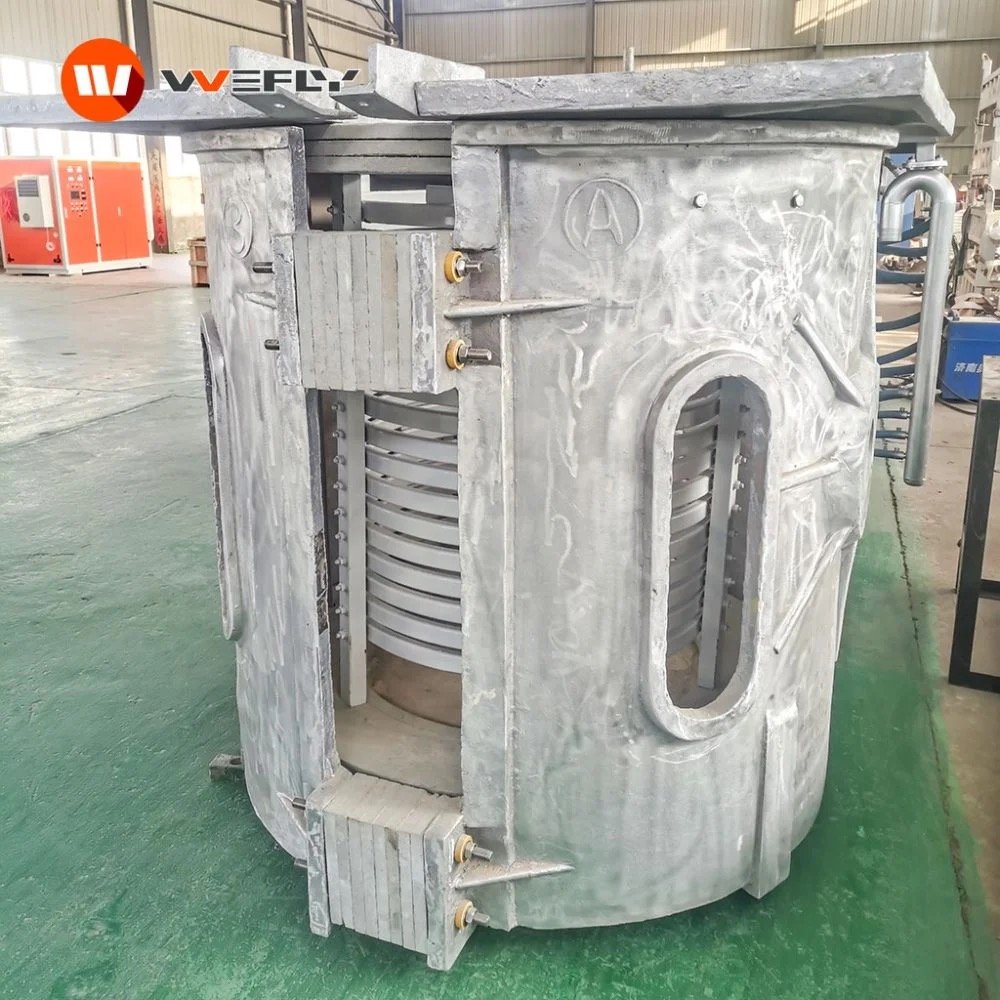
Automatic Medium Frequency Induction Melting Furnace Guide
An Automatic Medium Frequency Induction Melting Furnace is a practical choice for companies that need cleaner, faster, and more stable precious metal melting.
For gold, silver, platinum, alloy production, and continuous ingot casting, the right furnace does more than heat metal. It helps control temperature, improve melting consistency, reduce manual handling, and support repeatable production.
This is especially important for jewelry workshops, small precious metal foundries, refining plants, and metal processing companies that want better quality without using overly complicated equipment.
WOLFU’s 100kg Automatic Medium Frequency Induction Melting & Continuous Casting Furnace for Gold & Precious Metals is designed for this type of production. It combines medium frequency induction heating, automatic feeding, digital control, and continuous casting in one compact system.
What Is an Automatic Medium Frequency Induction Melting Furnace?
An automatic medium frequency induction melting furnace uses electromagnetic induction to generate heat directly inside the metal charge. Instead of relying on open flame or fuel combustion, the system transfers energy through an induction coil around the crucible.
This heating method allows the metal to melt quickly and evenly. It also gives operators more control over temperature, power output, and melting speed.
In precious metal production, stable temperature control is essential. Gold, silver, platinum, and other alloys require careful handling because overheating, uneven melting, or poor pouring control can affect final quality.
An automatic system adds another advantage: it reduces repeated manual operation. With automatic feeding and continuous casting, the furnace can support a more consistent workflow from material preparation to ingot output.
Why Automatic Melting Matters for Precious Metal Production
Precious metal processing is different from general scrap metal melting. The material value is higher, batch control is more important, and production loss must be kept as low as possible.
Manual melting may work for very small workshops, but it can become inefficient when production volume increases. Operators may face unstable heating, inconsistent casting results, higher labor intensity, and greater safety risks.
An automatic medium frequency induction melting furnace helps solve these problems by improving process control. Once the material is prepared and charged correctly, the system can maintain stable heating and controlled casting.
For factories producing gold bars, silver ingots, alloy materials, or jewelry casting blanks, this type of equipment can make the production process more organized and repeatable.
Key Advantages of Medium Frequency Induction Heating
Medium frequency induction heating is widely used in metal melting because it provides fast heating speed and good energy transfer. The heat is generated inside the metal itself, which helps reduce unnecessary heat loss.
Compared with traditional fuel-fired methods, induction melting usually offers a cleaner working environment. There is no direct flame inside the melting area, and the system can be easier to integrate with dust collection, cooling, and workshop safety designs.
The U.S. Environmental Protection Agency notes that metal melting is one of the major processing operations in foundry production, together with raw material handling, molding, casting, and finishing. Using better-controlled melting equipment can help factories manage production more systematically.
External reference: EPA Foundries and Metal Casting Reference
For precious metal operations, the biggest benefit is process stability. Better temperature control can help reduce overheating, improve alloy uniformity, and support more predictable casting results.
WOLFU 100kg Automatic Medium Frequency Induction Melting Furnace
The WOLFU 100kg furnace is specially engineered for gold, silver, platinum, and other precious metals. It is suitable for small to medium production lines that need automatic melting and continuous casting.
Recommended product: WOLFU 100kg Automatic Medium Frequency Induction Melting & Continuous Casting Furnace for Gold & Precious Metals
The system uses medium frequency electromagnetic induction technology to melt metal quickly and evenly. It also includes automatic feeding and continuous casting functions, allowing molten metal to be formed into ingots with better consistency.
This equipment is useful for:
- Gold and silver melting
- Precious metal ingot casting
- Jewelry material production
- Small-scale precious metal foundries
- Alloy and refining production
- Continuous casting for valuable metal materials
For companies that process different metals or need a broader melting solution, WOLFU also provides a Medium Frequency Induction Melting Furnace for Gold, Silver, Copper, Steel and Aluminum. This can be used as a related product option for customers who need flexible metal compatibility.
Main Features of the WOLFU Automatic Furnace
The WOLFU automatic furnace is designed to improve efficiency, safety, and production consistency. Its structure is compact, but the system includes the key components needed for practical precious metal melting and casting.
Automatic Feeding and Continuous Casting
The automatic feeding system helps reduce manual labor and supports smoother production. After melting, the continuous casting system can guide molten metal into molds for ingot production.
This is useful when a factory needs repeatable output instead of one-off manual pouring. Continuous casting also helps improve workflow efficiency and reduces unnecessary interruption between batches.
Precise Temperature Control
Precious metal melting requires accurate temperature control. If the temperature is too low, melting may be incomplete. If it is too high, the metal may oxidize more easily or cause unnecessary energy consumption.
The WOLFU system includes real-time monitoring of furnace temperature, power, and casting parameters. This helps operators manage the process with better accuracy.
Stainless Steel Furnace Crucible
The furnace uses a stainless steel crucible for durability and corrosion resistance. This is important in production environments where the furnace must handle repeated heating and cooling cycles.
A durable crucible can reduce maintenance frequency and help maintain stable operation over time.
Water-Cooled System
The furnace is equipped with a water-cooled system to protect key components during high-temperature operation. Stable cooling is essential for induction equipment because the power supply, induction coil, and furnace structure must operate within safe temperature limits.
Factories should always ensure that the cooling system is properly installed, checked, and maintained before production.
Technical Specifications
| Parameter | Specification |
|---|---|
| Furnace Type | Automatic Medium Frequency Induction Melting & Casting Furnace |
| Capacity | 100 kg |
| Voltage | 3 Phase, 380V |
| Power | 200 kW |
| Frequency | 750–1000 Hz |
| Furnace Crucible | Stainless Steel |
| Cooling System | Water-cooled |
| Weight | Approx. 1.2 T |
| Suitable Metals | Gold, silver, platinum, and other precious metals |
| Main Application | Melting and continuous ingot casting |
How the Melting and Casting Process Works
The complete process is simple, but each step should be managed carefully.
First, the raw materials are prepared. Gold, silver, or other precious metal scraps should be sorted, cleaned, and checked before entering the furnace. Removing visible impurities can help improve the final melting result.
Second, the material is charged into the crucible. Operators should avoid overfilling and should follow the recommended loading method for the selected metal and furnace capacity.
Third, the furnace begins induction melting. The medium frequency system heats the metal rapidly and evenly. During this stage, operators can monitor temperature and power conditions through the control system.
Fourth, alloying can be performed if required. For jewelry or special metal production, alloying elements may be added according to the desired composition.
Finally, molten metal enters the casting stage. The automatic continuous casting system helps form the metal into ingots or casting blanks with more consistent shape and quality.
Where This Furnace Can Be Used
An automatic medium frequency induction melting furnace is suitable for companies that need controlled precious metal production. It is not only for large industrial plants. It can also fit smaller workshops that need professional equipment with reliable output.
Common application scenarios include:
- Jewelry manufacturing workshops
- Precious metal refining factories
- Gold and silver ingot production lines
- Small foundries
- Alloy production facilities
- Metal material research and testing workshops
For customers building a larger metal processing line, WOLFU also offers other supporting equipment, such as induction furnaces, casting machines, and recycling systems. You can learn more through WOLFU’s related blog article: Why a Medium Frequency Induction Melting Furnace Is a Smart Choice for Modern Metal Casting.
Safety and Operation Considerations
Although induction melting is cleaner and more controllable than many traditional heating methods, it still involves high temperature, molten metal, electrical power, and cooling water. Safety should always be part of the furnace selection and workshop design.
Operators should receive proper training before using the equipment. The furnace should be installed on a stable foundation with enough space for feeding, casting, maintenance, and emergency access.
The cooling system must be checked before operation. If water pressure is too low or cooling flow is blocked, the system may overheat and affect equipment life.
Personal protective equipment is also necessary. Workers should use heat-resistant gloves, face protection, protective clothing, and other safety equipment suitable for molten metal handling.
Good workshop ventilation is also important. Even with cleaner electric induction heating, metal melting can produce fumes, dust, or heat exposure depending on the material and process. The IFC Environmental, Health, and Safety Guidelines for Foundries recommend controlling dust and emissions from thermal processes such as melting furnaces.
External reference: IFC Environmental, Health, and Safety Guidelines for Foundries
How to Choose the Right Furnace Model
Before buying an automatic medium frequency induction melting furnace, customers should confirm several basic requirements.
The first factor is metal type. Gold, silver, copper, aluminum, steel, and platinum may require different melting temperatures, crucible materials, and power configurations.
The second factor is production capacity. A 100kg furnace is suitable for many precious metal applications, but some factories may need a smaller furnace for testing or a larger furnace for industrial production.
The third factor is casting method. If your business needs continuous ingot output, an automatic melting and continuous casting furnace is a better match than a basic manual melting furnace.
The fourth factor is workshop condition. Power supply, cooling water, floor space, ventilation, and operator access should all be checked before installation.
The fifth factor is supplier support. A professional supplier should be able to provide technical guidance, equipment configuration advice, installation support, and after-sales service.
Why Choose WOLFU for Induction Melting Equipment?
WOLFU is a professional manufacturer of recycling and metal processing equipment. The company provides industrial solutions including metal melting furnaces, battery recycling lines, aluminum casting systems, and supporting equipment.
For buyers, the main value of working with WOLFU is not only the machine itself. It is also the ability to receive a customized solution based on material type, production capacity, and final product requirements.
The WOLFU engineering team can help customers select furnace capacity, power configuration, casting system, cooling system, and supporting equipment. This is important for overseas buyers who need a practical production solution instead of a single machine with unclear configuration.
For precious metal production, WOLFU’s automatic furnace offers a balanced solution: compact structure, digital control, automatic feeding, continuous casting, and stable medium frequency induction heating.
Conclusion
An Automatic Medium Frequency Induction Melting Furnace is a smart investment for precious metal producers that need fast melting, stable temperature control, safer operation, and continuous casting capability.
For gold, silver, platinum, and alloy production, the automatic system helps reduce manual handling while improving consistency from melting to ingot output.
If your factory needs a compact and reliable solution for precious metal melting and casting, WOLFU’s 100kg system is a practical choice for jewelry workshops, small foundries, refining operations, and alloy production lines.
Contact WOLFU to get a customized solution and quotation:
Request a Quote for the WOLFU 100kg Automatic Medium Frequency Induction Melting Furnace
Frequently Asked Questions
What metals can this automatic induction melting furnace process?
This furnace is mainly designed for gold, silver, platinum, and other precious metals. It is suitable for precious metal melting, alloy production, and continuous ingot casting.
Is the casting process automatic?
Yes. The WOLFU 100kg furnace includes automatic feeding and continuous casting functions, helping improve production consistency and reduce manual operation.
What capacity does this furnace support?
The WOLFU model introduced in this article has a 100kg capacity, making it suitable for small to medium precious metal production.
Why use medium frequency induction heating?
Medium frequency induction heating provides fast heating speed, uniform melting, stable power output, and accurate temperature control. It is well suited for metals that require controlled melting conditions.
1 comment on “Automatic Medium Frequency Induction Melting Furnace Guide”