
Why an Induction Melting Furnace Is a Smart Choice for Modern Metal Processing
Modern metal processing needs equipment that is efficient, reliable, and easy to control. That is why an induction melting furnace has become a popular choice for foundries, recycling plants, and metal casting businesses. Instead of using direct flame heating, this technology heats metal through electromagnetic induction, which helps deliver faster melting, cleaner operation, and more stable results.
For companies that melt copper, brass, iron, steel, aluminum, zinc, lead, or nickel, choosing the right furnace can make a real difference in production speed, energy use, and product quality. A well-designed induction furnace can support daily industrial work while helping businesses improve consistency and reduce unnecessary waste.
What Is an Induction Melting Furnace?
An induction melting furnace is an electric furnace that uses electromagnetic energy to generate heat directly inside the metal. When alternating current passes through the induction coil, it creates a magnetic field. This magnetic field produces eddy currents in the metal charge, and those currents generate heat. As the temperature rises, the metal melts.
This method is different from traditional fuel-fired furnaces. Instead of heating from the outside with combustion, an induction furnace heats the metal itself. That makes the process cleaner and more controllable. It also helps reduce smoke, open flame exposure, and some of the contamination risks that can happen in older heating methods.
Because of these advantages, induction furnaces are widely used in modern foundries and recycling operations. They are especially useful when businesses need steady melting performance and better temperature control.
Why Businesses Prefer Induction Melting Furnaces
Cleaner Operation
One of the biggest benefits of an induction melting furnace is clean operation. Since it does not depend on direct fuel combustion in the melting chamber, it creates a cleaner working environment. This is important for factories that want to improve workplace conditions and maintain better control over melt quality.
Cleaner melting also helps when producing higher-quality castings or recycled metal products. Less contamination during the heating process can support more stable alloy composition and better final results.
Fast Heating Speed
Production efficiency matters in every factory. An induction furnace can heat metal quickly, which helps reduce melting time and improve workflow. Faster heating allows plants to complete more batches in less time, which may improve output and reduce delays.
This is especially useful for businesses that need a dependable melting cycle every day. Whether the plant is processing recycled scrap metal or preparing molten metal for casting, speed can have a direct impact on overall productivity.
Better Temperature Control
Temperature control is one of the most important parts of metal melting. If the temperature is too low, the metal may not melt fully. If it is too high, it may affect metal quality, increase oxidation, or waste energy.
An induction melting furnace offers more precise temperature control than many traditional furnace types. This helps operators manage the process more accurately and maintain stable production conditions. Better control can also lead to more consistent casting quality and fewer production errors.
Energy Efficiency
Energy cost is a major concern for any industrial plant. Compared with some traditional melting methods, induction heating is often considered a more energy-efficient option because it transfers heat directly into the metal. That helps reduce some energy loss during the process.
For companies looking to lower operating costs over time, a furnace with efficient electrical design and stable heating performance can be a valuable investment. Energy efficiency does not only help reduce cost. It also supports a more modern and responsible production process.
Broad Metal Compatibility
A major reason induction furnaces are widely used is that they can melt many types of metals. Depending on the system design, they are commonly used for copper, brass, iron, steel, aluminum, zinc, lead, nickel, and other materials.
This flexibility makes them attractive to many industries. A business that handles different customer projects or processes mixed metal materials can benefit from a furnace that supports a broad application range.
Why the WOLFU Induction Melting Furnace Stands Out
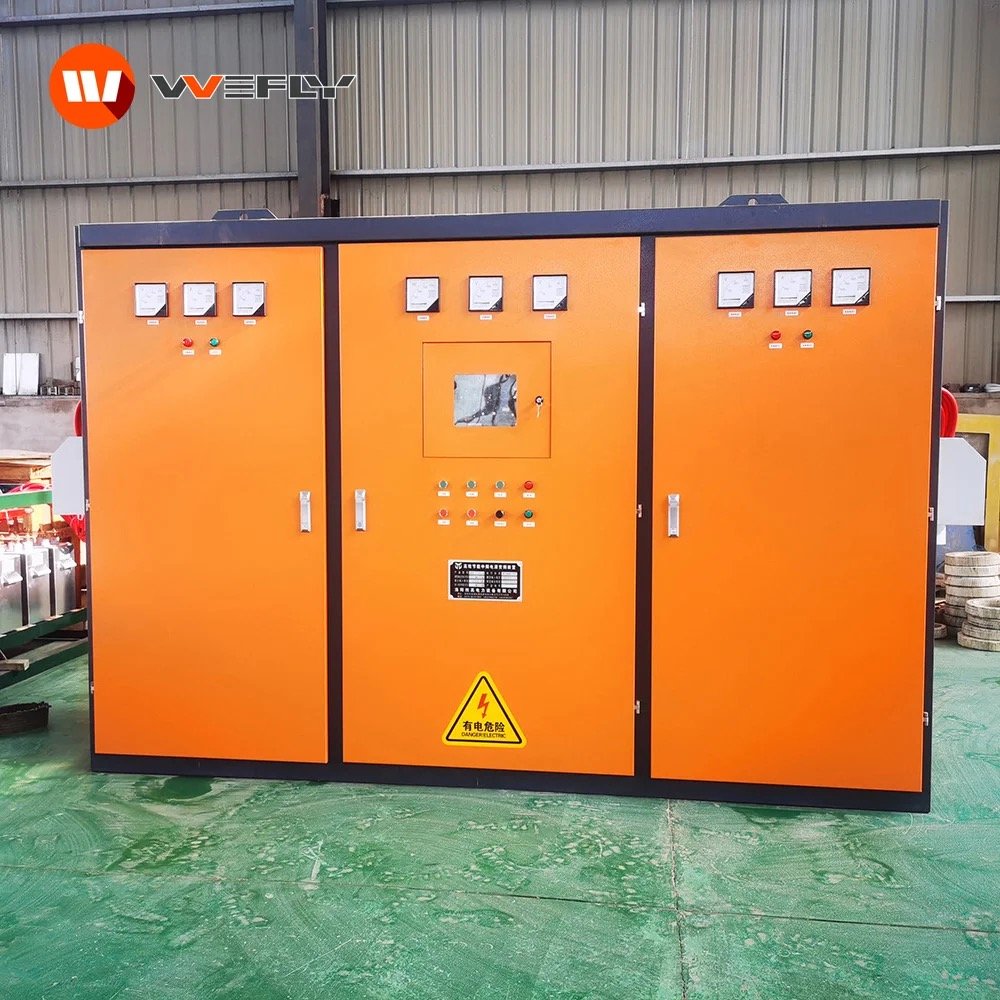
The WOLFU Induction Melting Furnace is designed for industrial users who need stable melting performance and practical capacity. According to the product specifications, this model supports a 500kg–1000kg capacity range and features 400KW rated power, making it suitable for medium-scale foundry work and metal recycling operations.
It is built to process many common industrial metals, including copper, brass, iron, steel, aluminum, zinc, lead, and nickel. That makes it a flexible option for factories that need one machine for multiple production needs.
The furnace also features a water cooling system, which is an important part of safe and stable operation. In induction melting, cooling support helps protect the system’s critical components and maintain reliable long-term performance. The listed maximum temperature of 1800°C also gives the furnace a wide working range for many melting applications.
For businesses that want dependable performance, industrial-level power, and flexibility across different metal types, this model offers a strong balance between efficiency and capability.
Common Applications of an Induction Melting Furnace
Copper and Brass Melting
Copper and brass require controlled and stable heating. An induction furnace is well suited for these metals because it can provide quick and even heating while supporting better temperature management. This is especially useful for plants producing copper castings, brass parts, or recycled non-ferrous materials.
Iron and Steel Melting
Iron and steel melting require powerful and reliable equipment. An induction melting furnace is commonly used in steel foundries and casting workshops because it can support strong heating performance and consistent process control.
For businesses that produce iron castings or steel parts, induction technology helps create a more stable working process and supports repeatable melting conditions.
Aluminum Recycling
Aluminum recycling plants often need efficient, clean, and repeatable melting systems. An induction furnace can help reduce temperature fluctuations and improve production control. For companies recycling aluminum scrap into usable material, this can improve both process efficiency and output consistency.
General Foundry Use
In general foundry production, flexibility is valuable. Many foundries work with different alloy types, order sizes, and casting requirements. A medium-capacity induction furnace can support daily production while remaining adaptable enough for changing project needs.
What Buyers Should Consider Before Choosing a Furnace
Choosing the right induction melting furnace is about more than just power or capacity. Buyers should review several practical factors before making a decision.
1. Metal Type
Different metals have different melting behaviors. A furnace should match the materials your factory uses most often. If your plant mainly handles copper, aluminum, or steel, the furnace should be designed to support those needs.
2. Capacity
Capacity affects production rhythm. A furnace that is too small may slow down output, while a furnace that is too large can raise unnecessary operating cost. The right size depends on your daily melting volume and business goals.
3. Power Configuration
Power rating affects heating speed and performance. A well-matched power system helps the furnace reach the desired temperature efficiently and maintain stable operation during use.
4. Cooling System
Cooling is a critical part of induction melting. A stable cooling system helps protect the coil and electrical components while supporting reliable production. That is why many buyers also consider adding related support equipment such as a closed water cooling tower.
5. Production Integration
It is helpful to think about how the furnace fits into the full production line. Some businesses may also need related equipment or upgraded furnace systems, such as a medium frequency induction melting furnace, depending on their production plan.
Safety and Maintenance Matter
Even the best furnace needs proper operation and maintenance. Molten metal processing always requires careful safety management. Daily inspection, cooling system checks, operator training, and scheduled maintenance are essential parts of safe furnace use.
It is also important to monitor the furnace lining, electrical system, and cooling conditions regularly. Preventive maintenance can reduce downtime, improve equipment life, and help the factory maintain safer working conditions.
Companies that treat safety and maintenance as part of the production process usually get better long-term value from their equipment.
How an Induction Melting Furnace Supports Modern Manufacturing
Today’s manufacturing environment is more competitive than ever. Buyers want better quality, faster delivery, and more efficient production. An induction melting furnace supports these goals by offering a cleaner, faster, and more controllable way to melt metal.
For recycling plants, it can support better scrap metal processing. For foundries, it can help improve casting consistency. For industrial metal workshops, it can reduce production delays and create a more stable daily workflow.
This makes induction technology a strong fit for companies that want to modernize their melting process and stay competitive in the market.
Final Thoughts
An induction melting furnace is a smart solution for modern metal processing because it combines clean operation, fast heating, stable temperature control, and broad metal compatibility. It is suitable for foundries, recycling plants, and industrial metalworking businesses that need dependable melting performance.
If your business is looking for a reliable furnace for copper, brass, steel, iron, aluminum, zinc, lead, or nickel, the WOLFU Induction Melting Furnace is a strong option to consider. With practical capacity, industrial power, and flexible application support, it can help improve production efficiency and support long-term business growth.
To learn more, visit the product page here:
Induction Melting Furnace by WOLFU
Recommended Internal Links
Product Links
Blog Link