
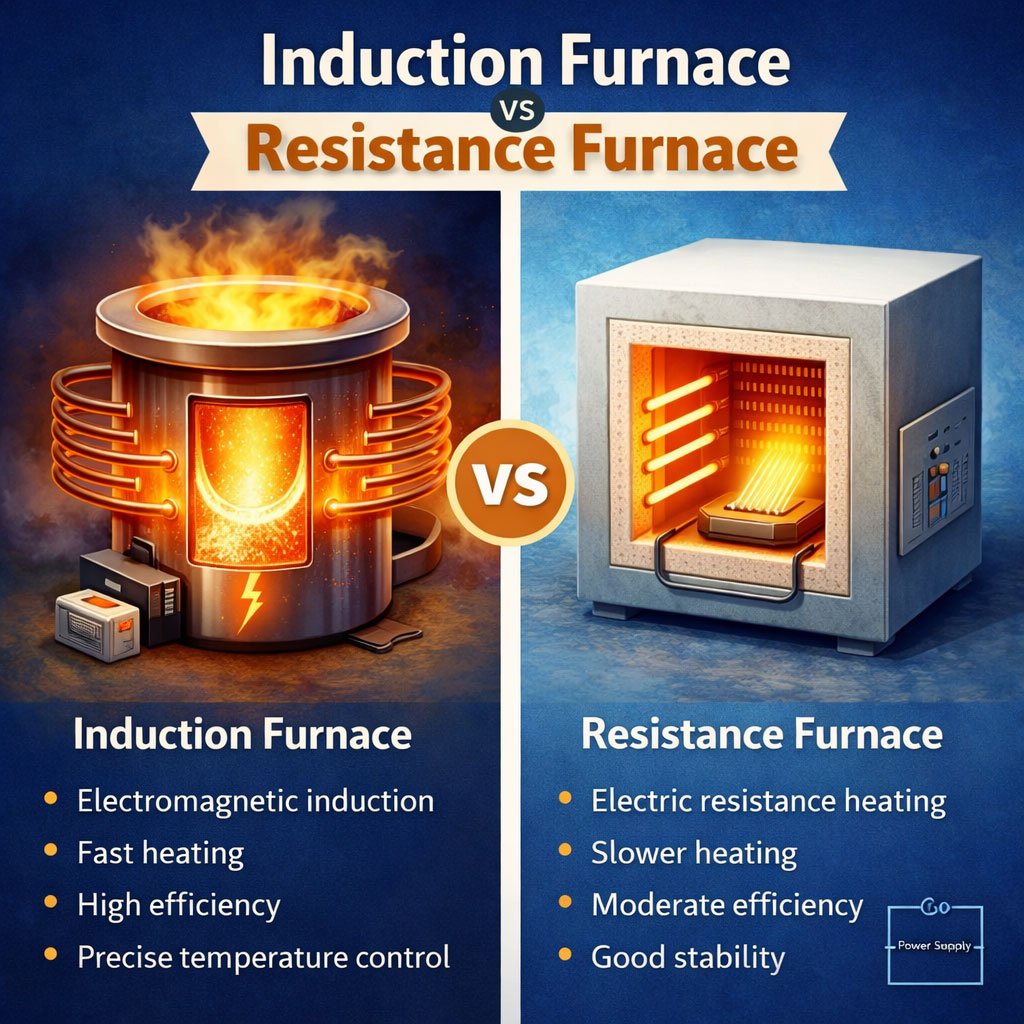
Induction Furnace vs Resistance Furnace
Induction Furnace
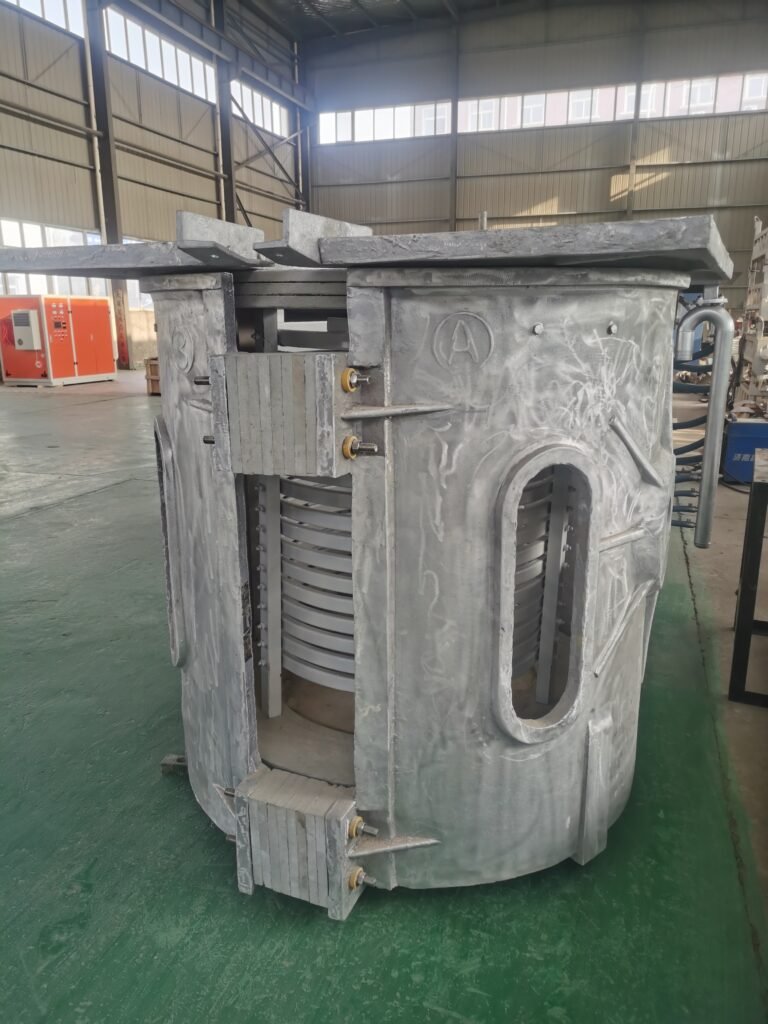
An induction furnace uses electromagnetic induction to heat and melt metal. A high-frequency alternating current flows through a copper coil, generating a magnetic field. When conductive metal is placed inside the coil, eddy currents are induced in the metal, producing heat directly within the material.
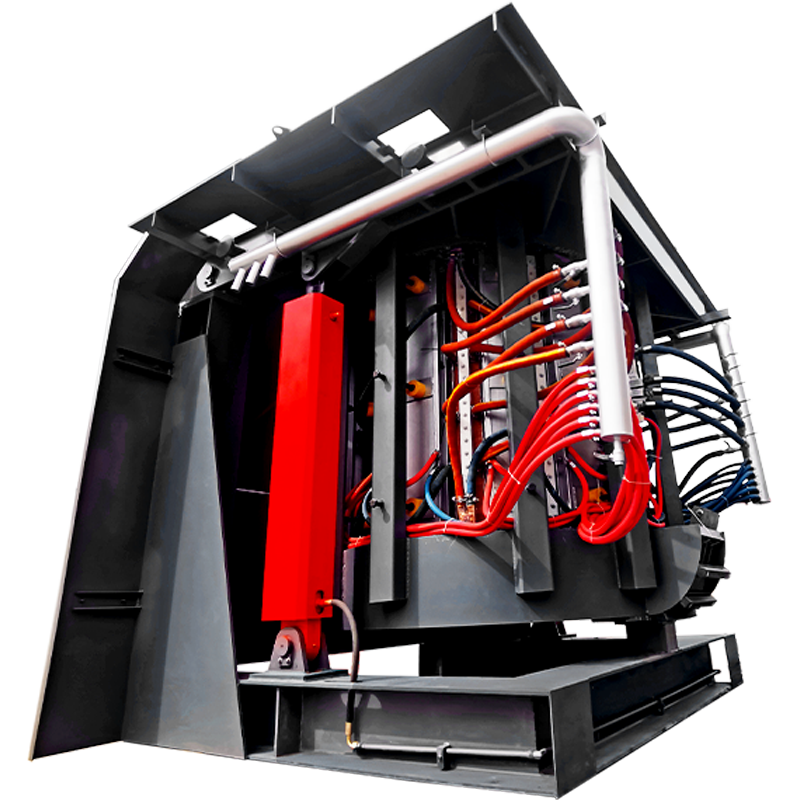
Key Characteristics
- Heating method: Electromagnetic induction
- Heating speed: Very fast
- Energy efficiency: High
- Temperature control: Precise
- Contamination risk: Very low (no direct contact with flame or heating elements)
Common Applications
- Precious metal melting (gold, silver, platinum)
- Aluminum, copper, and brass melting
- Steel and iron foundries
- Scrap metal recycling
- Continuous casting and alloy production
Advantages
- Rapid heating and melting
- Clean process with minimal oxidation
- High energy efficiency
- Easy automation and precise control
Disadvantages
- Higher initial equipment cost
- Requires power electronics and cooling systems
Resistance Furnace
Resistance Furnace
A resistance furnace generates heat through electrical resistance. When electricity flows through heating elements (usually made of alloys such as nichrome or Kanthal), the resistance converts electrical energy into heat. The heat is then transferred to the material inside the furnace chamber.
Key Characteristics
- Heating method: Electric resistance heating
- Heating speed: Moderate to slow
- Energy efficiency: Moderate
- Temperature control: Good but slower response
- Contamination risk: Slightly higher due to chamber atmosphere
Common Applications
- Heat treatment processes
- Ceramic firing
- Laboratory material testing
- Small-scale metal melting
- Glass manufacturing
Advantages
- Simple structure
- Lower equipment cost
- Easy maintenance
- Suitable for many heating applications
Disadvantages
- Slower heating speed
- Lower energy efficiency compared with induction furnaces
- Heating elements wear out over time
Key Differences Between Induction Furnace and Resistance Furnace
| Feature | Induction Furnace | Resistance Furnace |
|---|---|---|
| Heating Principle | Electromagnetic induction | Electrical resistance heating |
| Heating Speed | Very fast | Slower |
| Energy Efficiency | High | Medium |
| Temperature Control | Precise and rapid | Stable but slower |
| Equipment Cost | Higher initial cost | Lower cost |
| Typical Applications | Metal melting and casting | Heat treatment and material testing |
Which Furnace Is Better?
The choice between an induction furnace and a resistance furnace depends on the application.
- If your goal is fast metal melting, energy efficiency, and precise control, an induction furnace is the better option.
- If you need general heating, laboratory work, or lower-cost equipment, a resistance furnace may be more suitable.
In modern metal processing industries, induction furnaces are increasingly preferred due to their efficiency, environmental benefits, and ability to integrate with automated production lines.