Technical Parameters
| Machine Type | Casting Machine |
| Voltage | 380V |
| Power | 100W |
| Rod Diameter | 8–20 mm |
| Production Capacity | 5–60 Tons / Day |
| Billet Size | 3–8 Inch |
| Coil Weight | 30 kg |
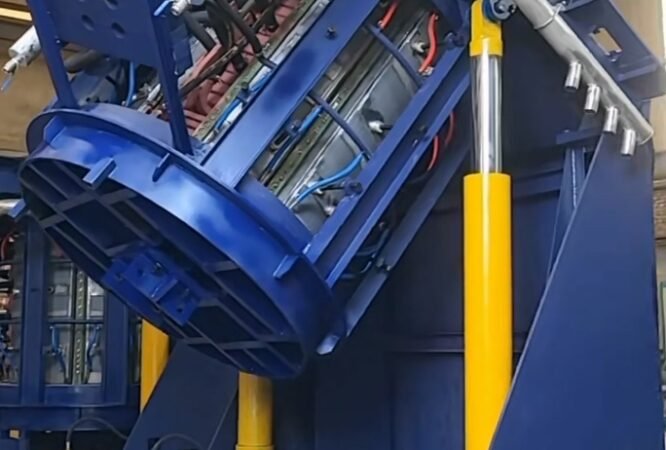
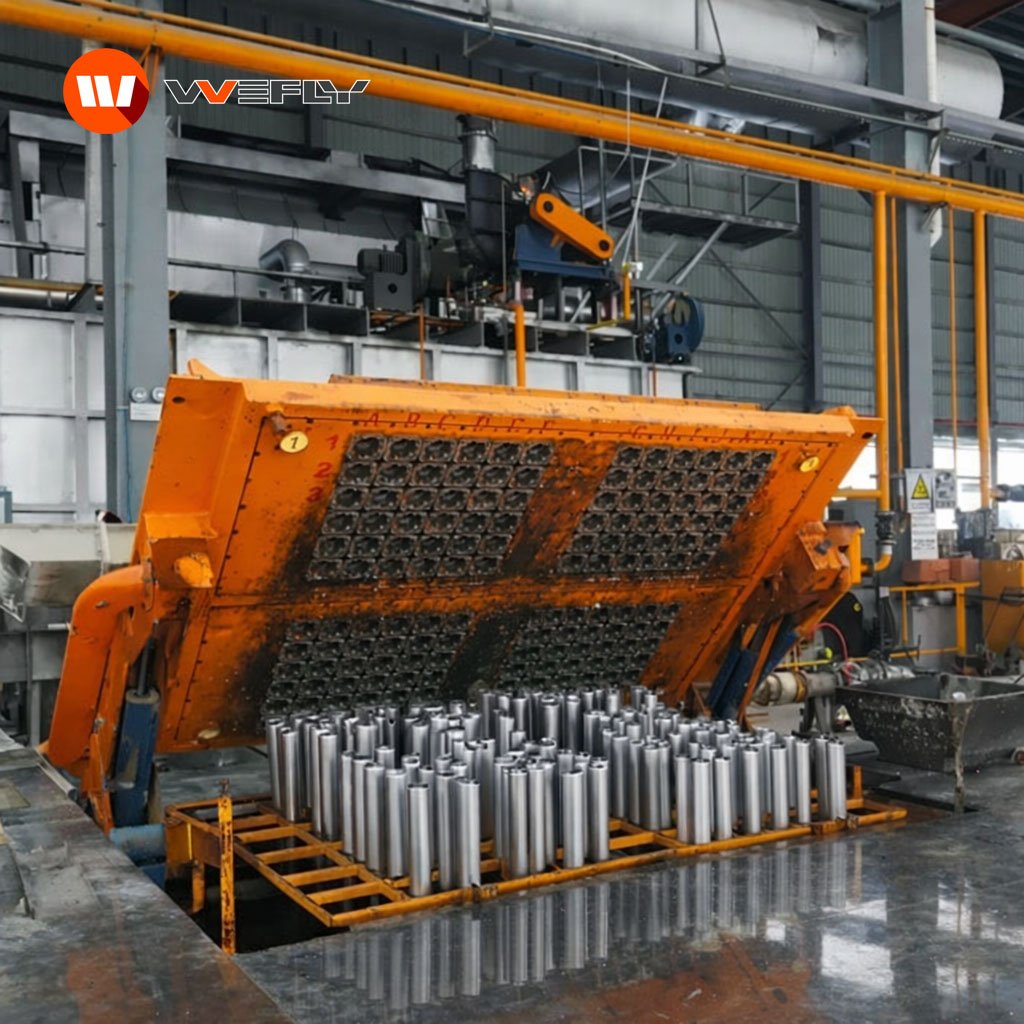
| Tilting Method | Reducer Tilting or Hydraulic Tilting |
| Final Product | Aluminum Rod / Aluminum Bar |
| Warranty | 1 Year |
Product Details
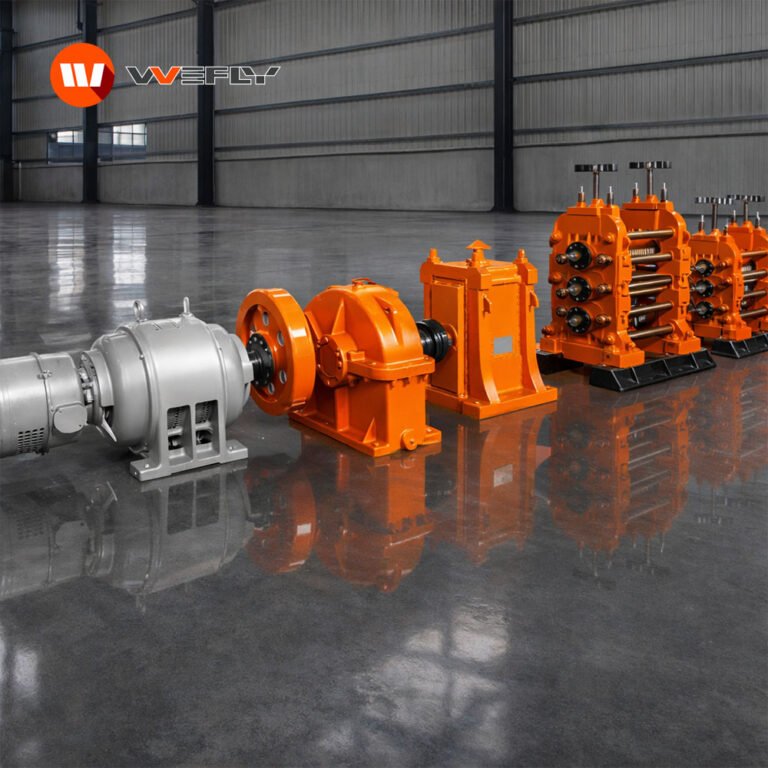
The Aluminum Rod Continuous Casting Machine is designed for producing small diameter aluminum or copper rods used in wire and cable manufacturing. The production line integrates aluminum melting, temperature holding, casting and cutting processes to ensure stable and efficient rod production.
This equipment is suitable for recycling aluminum scrap such as aluminum cans, aluminum wire, coils and aluminum alloy materials. With a compact structure and easy operation, the system is ideal for small and medium aluminum processing plants seeking efficient and cost-effective production solutions.
- Continuous casting production for aluminum rods and bars
- Suitable for aluminum scrap, UBC and aluminum alloy melting
- Stable production performance and easy operation
- Compact production line with small investment
- Suitable for aluminum rod diameters from 8mm to 20mm
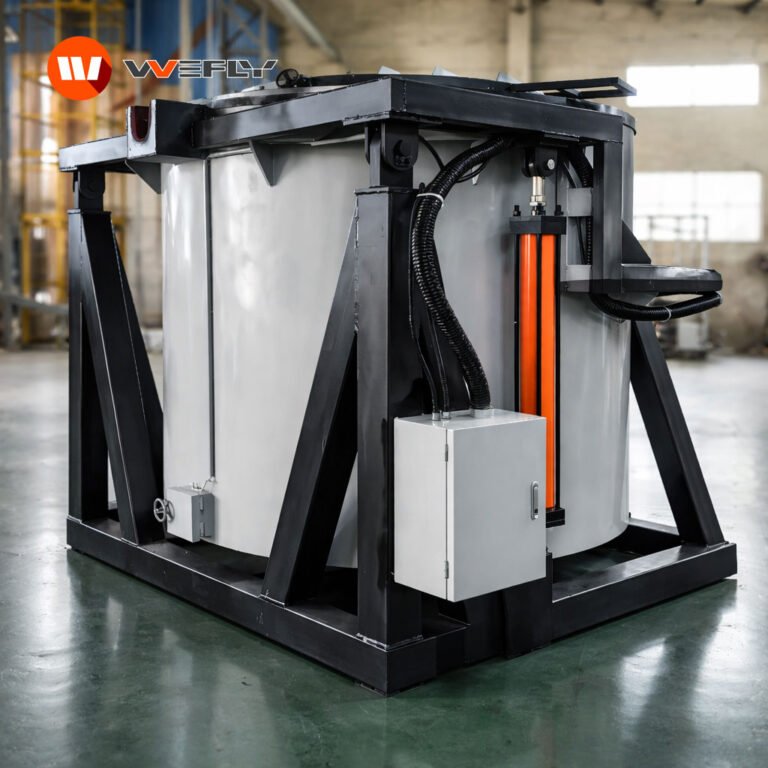
- Flexible furnace tilting options: reducer tilting or hydraulic tilting
Service & Support
We provide complete solutions for metal casting production lines including equipment manufacturing, plant design and technical support.
- Provide complete project solutions and after-sales service
- Plant layout design and production line planning
- Equipment manufacturing and factory testing
- Shipping and logistics arrangement
- Installation and commissioning guidance
- Long-term technical support and maintenance service
Our engineers can be dispatched to the customer’s factory to assist with installation and commissioning to ensure smooth equipment operation.
Production Process
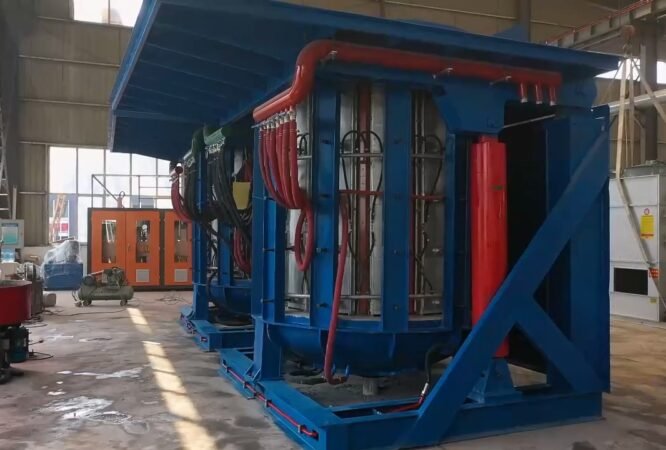
Step 1: Aluminum Melting Furnace
Aluminum scrap such as aluminum cans, coils, wires and aluminum alloy materials are melted in the furnace. Aluminum cans are considered one of the best raw materials due to their high purity.
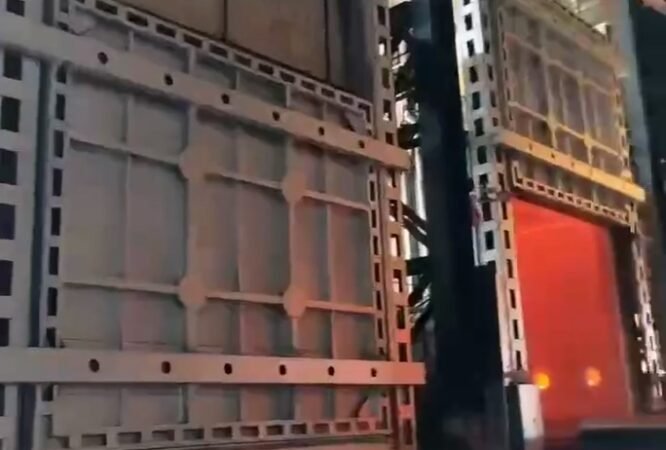
Step 2: Temperature Holding Furnace
The molten aluminum is transferred from the melting furnace into the temperature holding furnace where the metal temperature is stabilized for continuous casting.
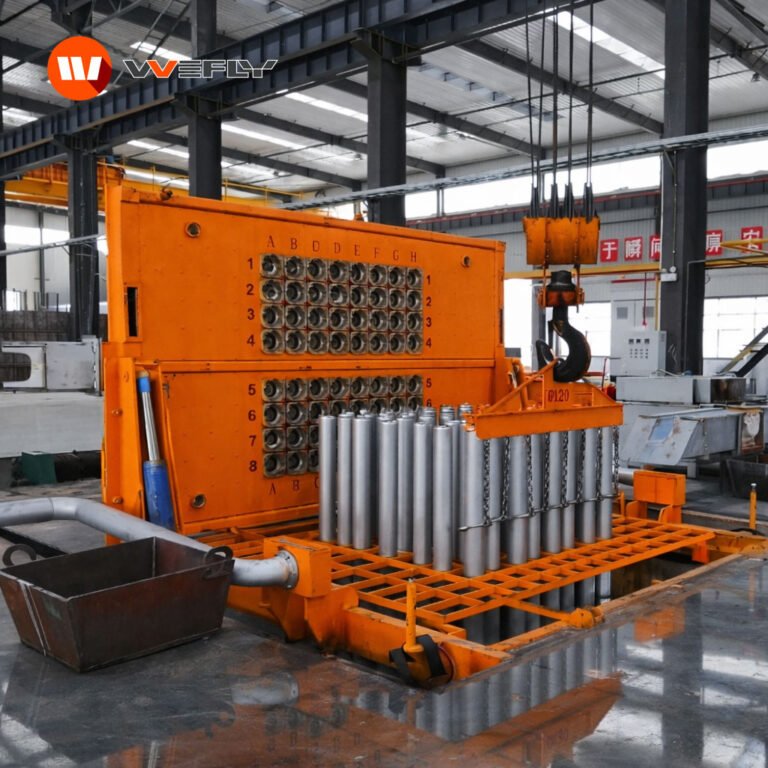
Step 3: Casting Platform
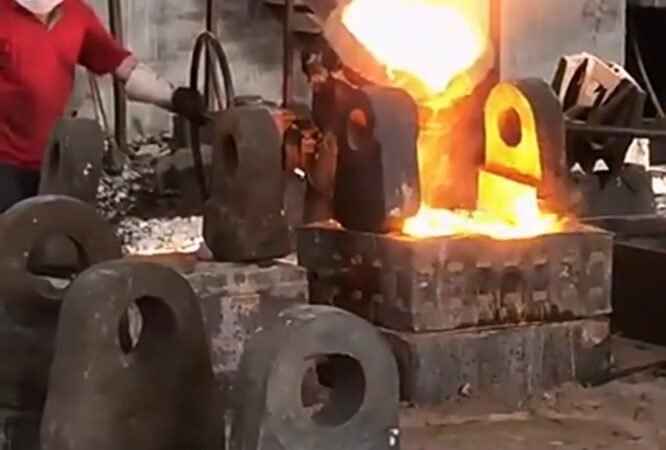
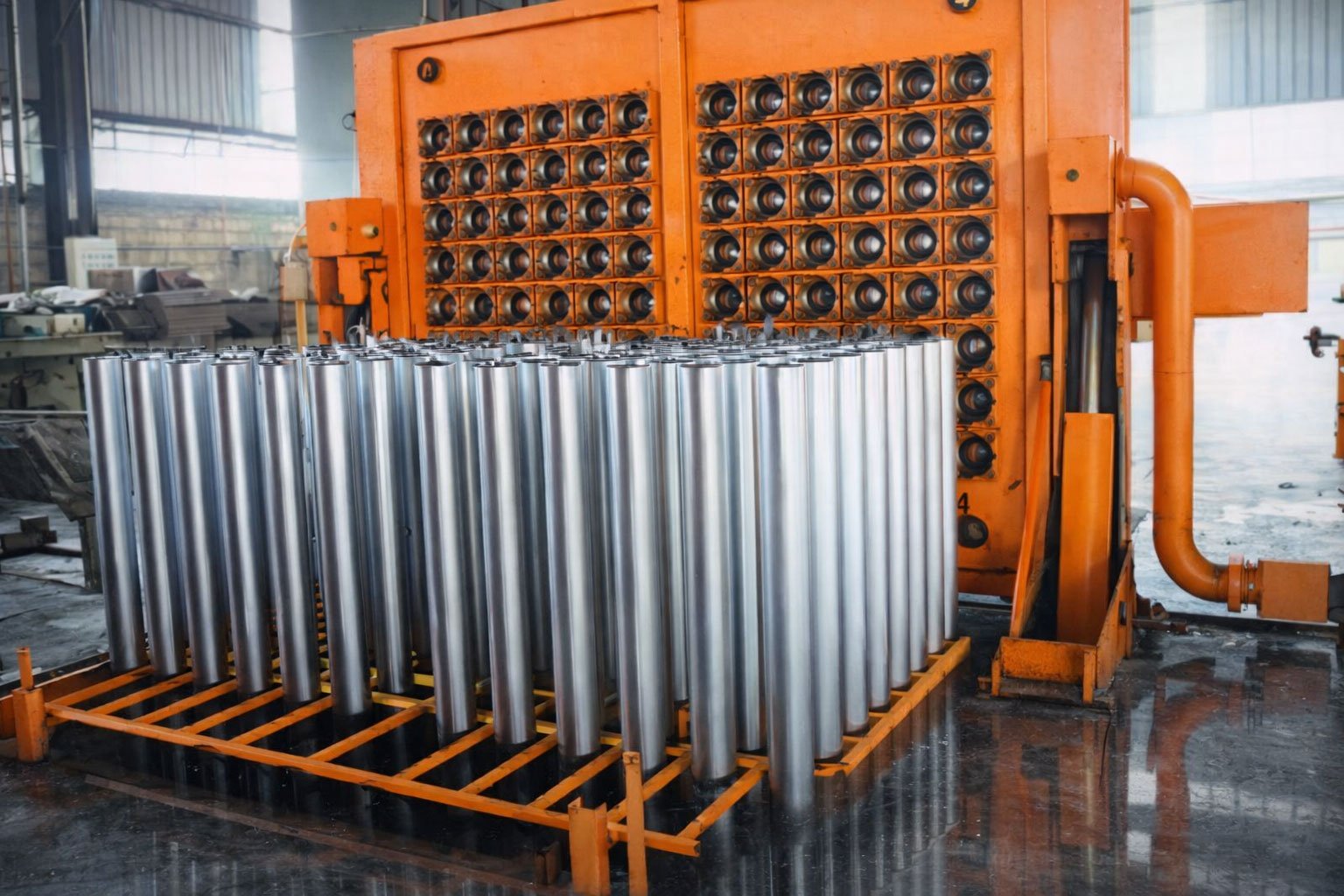
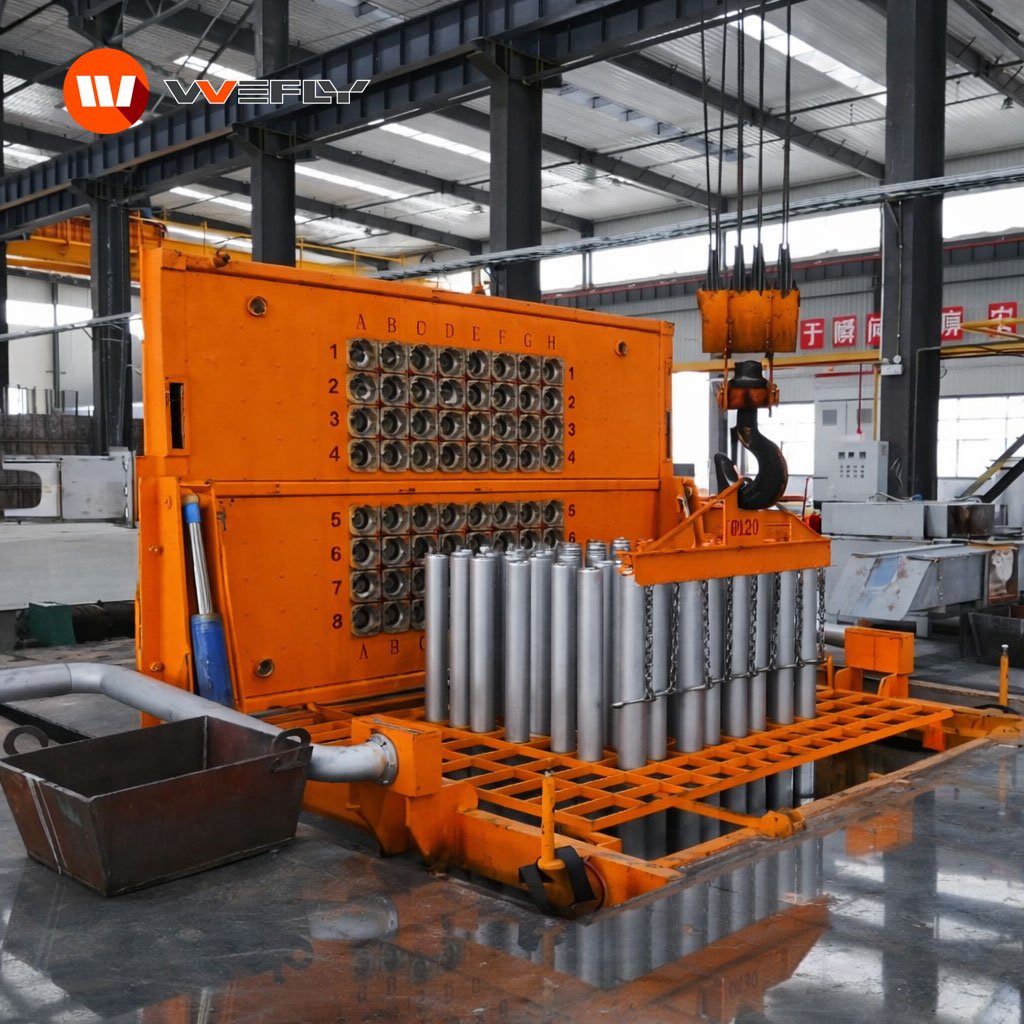
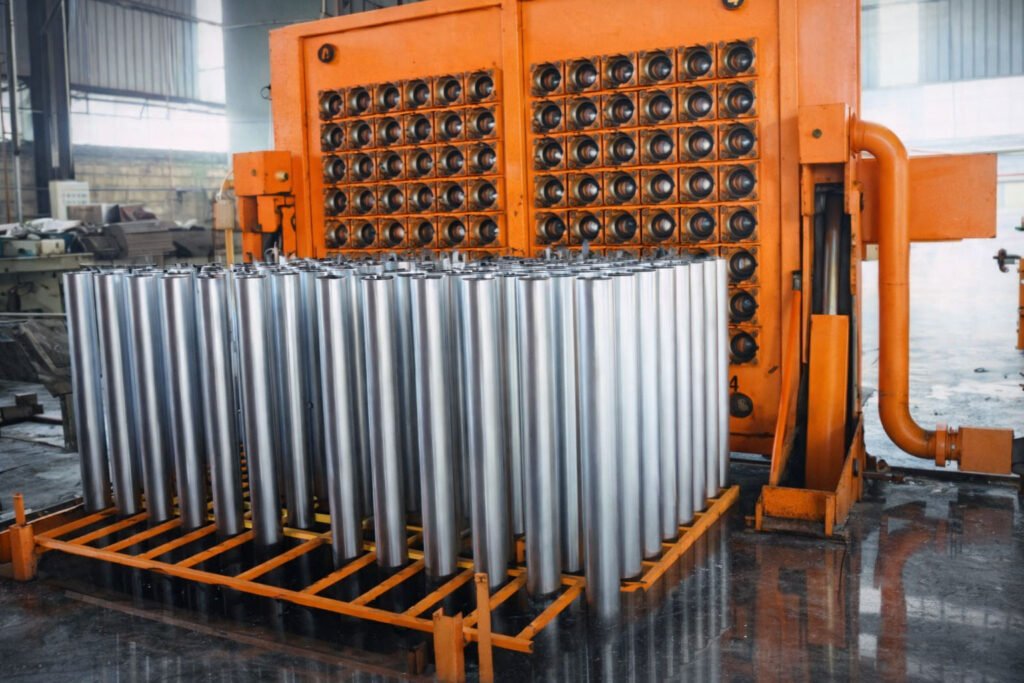
The molten aluminum flows into the casting platform where it is formed into round aluminum billets during the continuous casting process.
Step 4: Cutting Machine
The standard billet length can reach up to 5 meters. A cutting machine can be used to cut the billets into the required size based on customer requirements.