
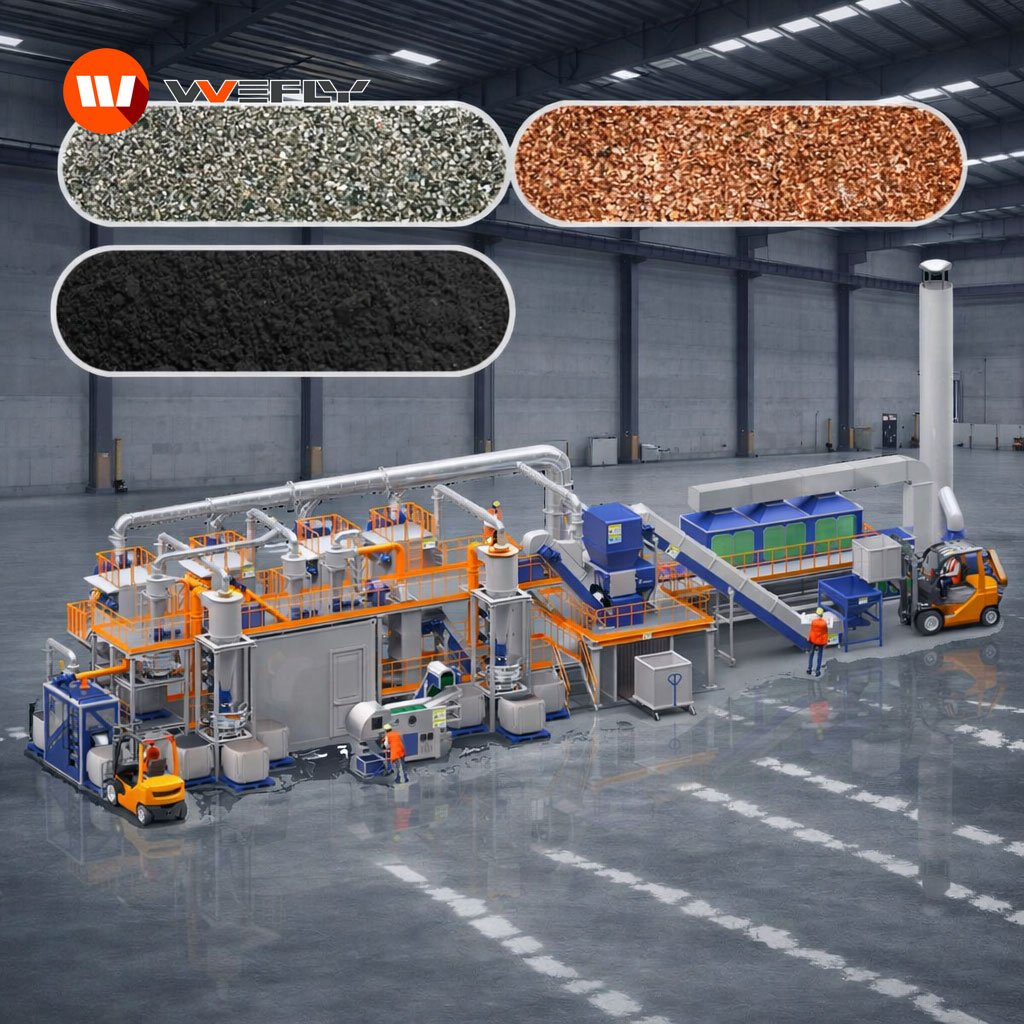
How to Start a Metal Recycling Business?
How to Start a Metal Recycling Business
Starting a metal recycling business can be highly profitable as global demand for recycled metals continues to grow. Industries such as construction, automotive manufacturing, and electronics rely heavily on recycled materials like aluminum, copper, and steel. With the right equipment, supply chain, and operational strategy, a metal recycling business can become a sustainable and scalable venture.
Below is a practical guide to help you get started.
1. Understand the Metal Recycling Market
Before launching a recycling business, it is essential to understand the local and global scrap metal market.
Common recyclable metals include:
- Aluminum – beverage cans, automotive parts
- Copper – electrical wires and cables
- Steel and iron – construction materials and machinery
- Brass – plumbing fittings and valves
- Stainless steel – industrial equipment and kitchenware
Market prices for scrap metals fluctuate depending on global demand, supply chains, and commodity markets. Monitoring these trends helps maximize profit margins.
2. Create a Business Plan
A solid business plan is the foundation of any successful recycling operation. Your plan should include:
Business model
- Scrap collection and resale
- Metal processing and melting
- Manufacturing recycled metal products
Target customers
- Metal smelters
- Manufacturing companies
- Construction companies
- Export markets
Financial planning
- Equipment investment
- Land and facility costs
- Transportation and labor expenses
3. Obtain Licenses and Permits
Metal recycling businesses must comply with environmental and waste management regulations.
Typical requirements may include:
- Waste recycling permits
- Environmental compliance certificates
- Scrap dealer licenses
- Fire safety approvals
Always check your local government regulations before starting operations.
4. Secure a Reliable Scrap Metal Supply
Your business depends on a steady supply of scrap materials.
Common scrap sources include:
- Construction sites
- Manufacturing factories
- Auto repair shops
- Demolition projects
- Electronic waste recyclers
Building partnerships with suppliers ensures consistent material flow.
5. Invest in Essential Recycling Equipment
The type of equipment you need depends on the scale of your operation.
Basic recycling equipment
- Scrap metal shredder
- Metal baler
- Magnetic separator
- Metal sorting system
Advanced processing equipment
- Induction melting furnace
- Continuous casting machines
- Aluminum can recycling systems
- Metal granulators
These machines help convert scrap metal into high-value ingots or blocks that can be sold to manufacturers.
6. Set Up Collection and Transportation
Efficient logistics are essential for collecting and transporting scrap metal.
Key considerations:
- Scrap collection vehicles
- Storage yards
- Material handling equipment
- Safety procedures for hazardous materials
Many recycling companies offer pickup services to attract suppliers.
7. Develop Sales Channels
Your recycled metals can be sold to various industries.
Typical buyers include:
- Metal smelting plants
- Manufacturing companies
- Construction suppliers
- Export traders
Establishing long-term contracts with buyers ensures stable revenue.
8. Focus on Safety and Environmental Compliance
Metal recycling operations involve heavy machinery, high temperatures, and potentially hazardous materials.
Key safety measures include:
- Worker safety training
- Protective equipment (PPE)
- Proper ventilation systems
- Wastewater and emission control
A strong safety culture improves productivity and protects your workforce.
9. Scale and Expand Your Business
Once your recycling operation becomes stable, you can expand by:
- Adding advanced metal recovery technologies
- Processing additional materials like lithium batteries or electronic waste
- Exporting recycled metals
- Building partnerships with industrial manufacturers
The global recycling industry is expected to grow rapidly as governments and companies focus on sustainability and circular economies.
Conclusion
Starting a metal recycling business requires planning, investment, and strong supply networks, but it offers significant long-term opportunities. By securing reliable scrap sources, investing in efficient recycling equipment, and building strong buyer relationships, entrepreneurs can establish a profitable and environmentally responsible business.
Metal recycling not only generates revenue but also helps conserve natural resources and reduce industrial waste — making it a key industry in the future of sustainable manufacturing.
Frequently Asked Questions (FAQ)
Is a metal recycling business profitable?
Yes, a metal recycling business can be highly profitable because recycled metals such as aluminum, copper, and steel are always in demand. Profit depends on scrap supply, metal market prices, processing efficiency, and operational costs.
What metals are most profitable to recycle?
The most profitable metals to recycle typically include copper, aluminum, brass, stainless steel, and catalytic converters. Copper and aluminum are especially valuable due to their widespread use in electrical systems and manufacturing.
How much does it cost to start a metal recycling business?
Startup costs vary depending on the scale of the operation. Small scrap collection businesses may start with $20,000–$50,000, while larger recycling facilities with shredders, balers, and melting furnaces can require investments of $200,000 or more.
What equipment is needed for metal recycling?
Common equipment used in metal recycling includes metal shredders, scrap balers, magnetic separators, metal sorting systems, and induction melting furnaces. These machines help process scrap metal into reusable raw materials such as metal ingots or blocks.
How do metal recycling companies make money?
Metal recycling companies generate revenue by collecting scrap metal, processing it into reusable materials, and selling it to manufacturers or smelters. Profit comes from the price difference between purchased scrap materials and processed recycled metals.
Is metal recycling environmentally friendly?
Yes. Recycling metals reduces mining activity, saves energy, lowers carbon emissions, and prevents valuable resources from being wasted. For example, recycling aluminum can save up to 95% of the energy required to produce new aluminum from raw ore.